
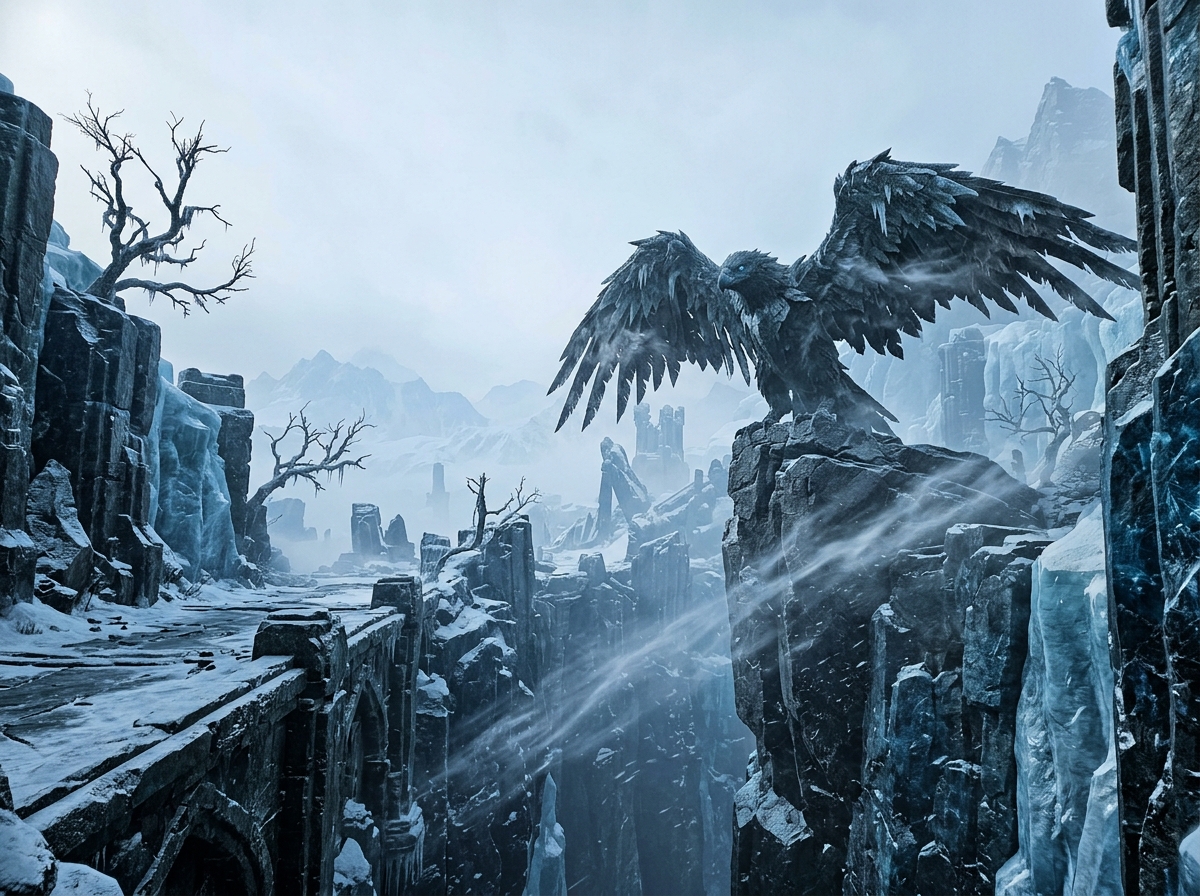
The giant bird in Helheim in God of War is Hræsvelgr, a colossal Jötunn who takes the form of an eagle. The game's own codex describes him as 'Mighty Hræsvelgr, swallower of the dead, author of winds,' which tells you almost everything you need to know about why he's there and what he represents. If you've been staring at that enormous silhouette haunting the skies of Helheim and wondering what exactly you're looking at, whether it's the good lord bird, this is your answer. His name also has a meaning: the bird of yore meaning.
What Is the Giant Bird in Helheim in God of War?

Eleanor Hartwell
23 Mar 2026
Who Hræsvelgr Is
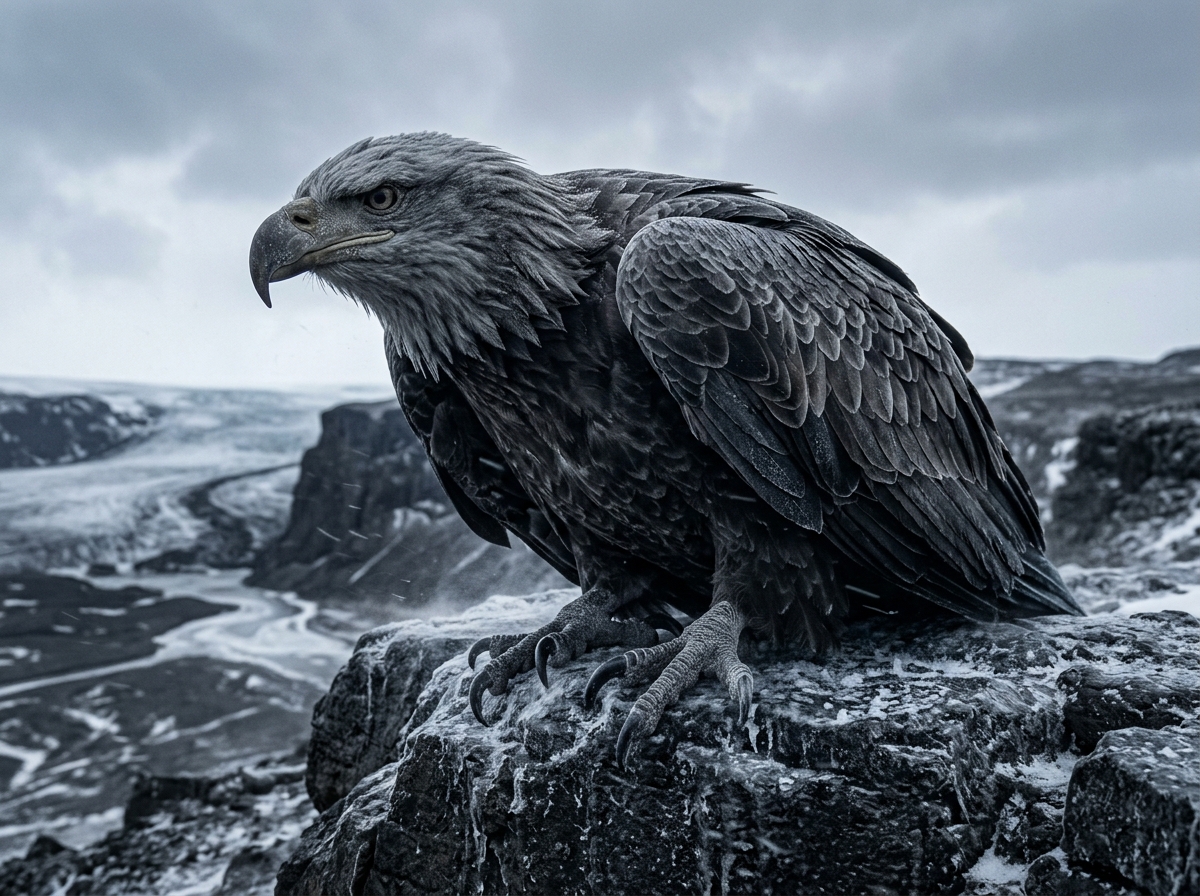
Hræsvelgr is not a bird in the ordinary sense. He is a Jötunn, one of the ancient giants of Norse mythology, who exists permanently in the shape of a massive eagle. His name roughly translates to 'corpse swallower' or 'swallower of the dead,' which is about as direct a title as Norse mythology ever offers. In God of War Ragnarök, he is a named, lore-significant entity rather than a generic creature or background detail. His specific lore marker, labeled simply 'Hraesvelgr,' is located in the Helgrind region of Helheim, giving players a concrete in-world anchor to attach his identity to.
In the original Norse sources, particularly the Prose Edda, Hræsvelgr is described as sitting at the northward end of heaven, covered in eagle plumes. The key attribute that the myths emphasize, and that God of War directly borrows, is this: when he stretches his wings for flight, the wind rises from beneath them. He is, in other words, the literal source of the winds in Norse cosmology. God of War takes that mythological detail and builds it into the game's world logic, placing this wind-generating giant eagle directly inside Helheim, the Norse realm of the dead.
Why Hræsvelgr Is in Helheim and What He Does There
His presence in Helheim is not accidental or decorative. The realm of the dead in Norse cosmology is cold, windswept, and isolated, and Hræsvelgr is part of the reason why. His wing-beats drive the atmospheric conditions of Helheim, making him functionally the engine behind the realm's harsh environment. God of War leans into this hard, using the winds his wings generate as an actual gameplay mechanic.
In a notably significant sequence, Hræsvelgr's wing-flapping provides the forward momentum that allows Kratos and Atreus to escape Helheim on their ship. He is, whether intentionally or not, helping them leave. This is one of those moments where the game uses its mythology carefully: the 'swallower of the dead' and the winds he commands become the very mechanism by which two mortals (well, a demigod and his son) manage to defy the realm's logic and escape. His story role sits at the intersection of environmental hazard and inadvertent aid.
His dual codex titles, 'swallower of the dead' and 'author of winds,' do a lot of narrative work in a short space. The first title ties him to death itself, positioning him as a figure who literally consumes the souls that end up in Helheim. The second title explains the physical world around him. Together they make him one of the more symbolically loaded entities in the game's treatment of Norse mythology.
The Deeper Symbolism: What a Giant Eagle in the Realm of the Dead Means
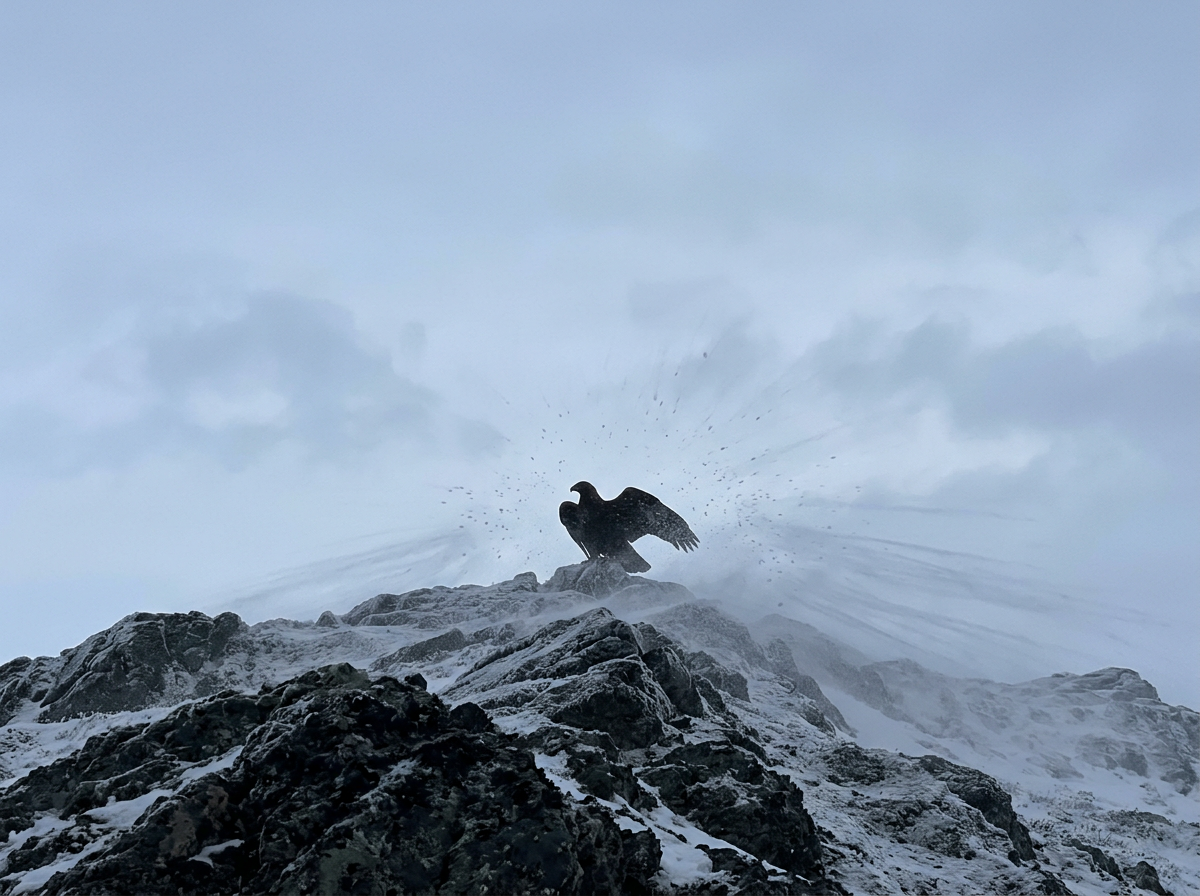
From a bird symbolism perspective, Hræsvelgr is a remarkably rich figure. Eagles across nearly every mythological tradition carry associations with power, divine authority, and the boundary between the living world and whatever lies beyond it. In Norse cosmology specifically, birds occupy the liminal spaces between realms: Odin's ravens carry information between worlds, and Hræsvelgr presides over the passage into death itself. He is not a guide in the gentle sense, but a sovereign presence that marks the threshold.
His wind-generating function connects to one of the oldest symbolic readings of birds in flight: the idea that the movement of wings carries souls, messages, or transition itself. Wind in mythology is almost universally associated with the breath of the divine, with change, and with things that cannot be seen but are deeply felt. Hræsvelgr literally breathes Helheim into existence through his wings, which maps perfectly onto the symbolism of birds as the animating force behind invisible, atmospheric realities.
The 'swallower of the dead' aspect is equally significant symbolically. In many traditions, large birds of prey, particularly eagles and vultures, are associated with death not as something to fear but as something to complete. Egyptian mythology has the vulture goddess Nekhbet guarding the dead. The Norse tradition gives Helheim its own great eagle who consumes what arrives there. This is not predation in the ordinary sense; it is a form of reception and finality. Hræsvelgr represents the moment death becomes permanent, which is exactly the kind of symbolic weight a realm like Helheim needs its presiding figure to carry. If you're drawn to this kind of mythological bird symbolism, the broader territory of birds as psychopomps and death-realm figures connects naturally to what Hræsvelgr embodies.
There is also a transformation angle worth noting. The sequence where his wing-beats help Kratos and Atreus escape suggests that even in the realm of the dead, the wind, flight, and the force of a great bird can enable passage and change. That reading aligns with the rebirth symbolism that birds carry in traditions from the Egyptian phoenix to the Norse concept of cycles within Yggdrasil itself. Hræsvelgr does not choose to help the protagonists, but his nature as a creature of wind and passage means that even in Helheim, movement and escape remain possible.
Common Confusion: What People Get Wrong About the Helheim Bird
There are two recurring misidentifications worth knowing about, especially if you've been searching for this answer in-game or in guides.
First, many players conflate the giant Helheim eagle with Odin's ravens. The ravens in God of War Ragnarök, often called the Eyes of Odin or Odin's Ravens, are a separate collectible category entirely. They appear throughout Helheim as small, perchable targets that you hit with your axe to collect them. They are Odin's surveillance network, not Hræsvelgr. If a guide is telling you to throw your axe at specific perch points to hit ravens, it's describing a completely different creature type from the massive eagle figure associated with the lore of Helheim's winds.
Second, players sometimes refer vaguely to 'the bird' or 'that big bird' in Helheim and mean anything from the general atmospheric birds in the environment to the story-relevant Hræsvelgr. The Helgrind sub-area of Helheim is where Hræsvelgr's lore marker specifically lives, so if you're navigating the Helgrind region and encounter lore about an eagle, you are in the right place and looking at the right entity. The confusion often comes from the fact that Helheim has multiple Helheim-adjacent collectible zones, and not all of them have Hræsvelgr-specific content.
How to Confirm You're Looking at the Right Creature
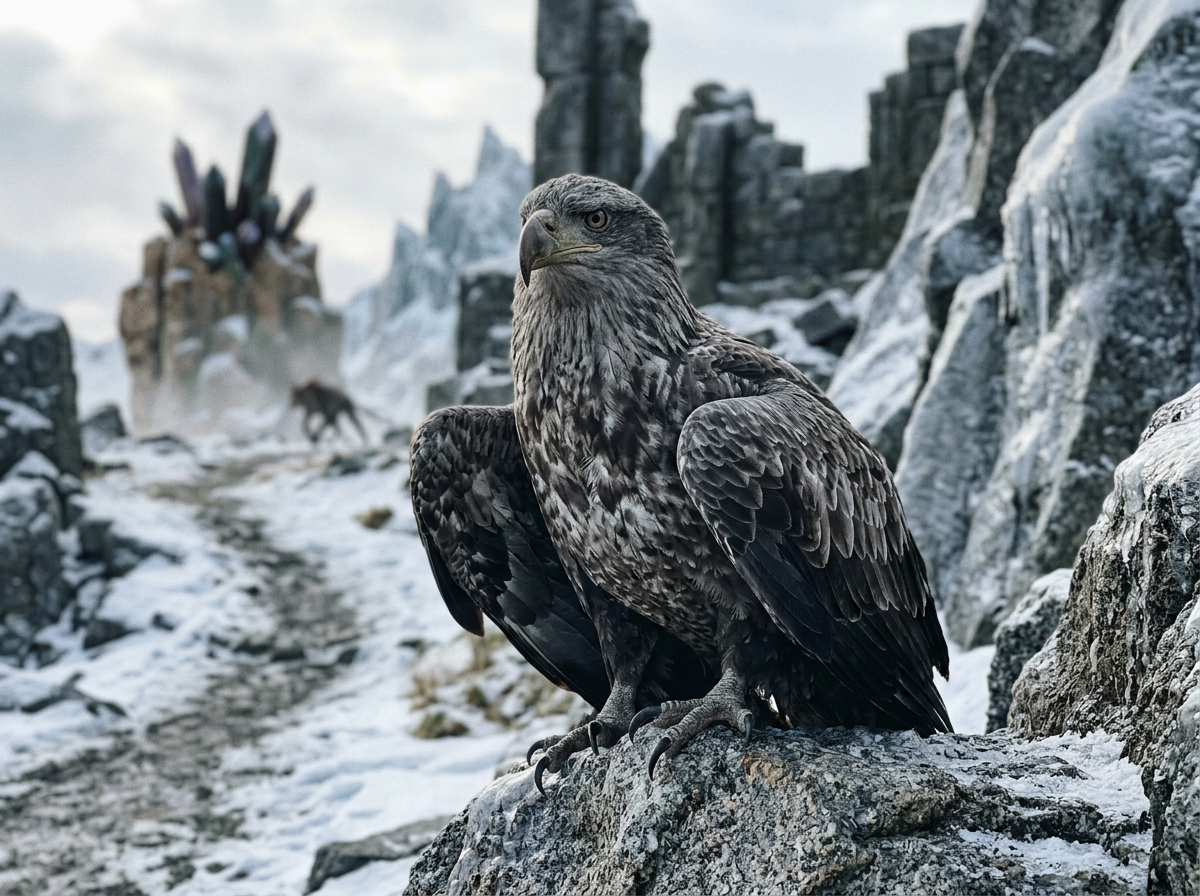
If you want to lock in your identification and make sure you're engaging with Hræsvelgr rather than a generic Helheim element, here are the concrete steps to follow.
- Navigate to the Helgrind region within Helheim in God of War Ragnarök. This is the sub-area specifically associated with Hræsvelgr's lore presence.
- Look for the lore marker labeled 'Hraesvelgr' in Helgrind. This in-game collectible is your clearest, most direct confirmation that the giant eagle you're seeing is the named entity from mythology.
- Read the associated Prayer to Hraesvelgr rune/lore text. The phrasing 'swallower of the dead' and 'author of winds' in the codex or lore marker confirms you're looking at the right figure.
- Note the wing-flapping sequence during the Helheim escape. That moment, where the wind Hræsvelgr generates propels Kratos and Atreus forward, is the clearest gameplay confirmation of his functional role in the story.
- Distinguish him from the raven collectibles by size, story context, and interaction type. Hræsvelgr is narrative and lore-linked; the ravens are throwable-axe collectibles tied to Odin's network.
Hræsvelgr is one of those figures in God of War who rewards a little mythological context. He is not a boss, not a direct antagonist, and not a character who speaks to Kratos in the way some other figures do. But his presence in Helheim is deliberate, rooted in actual Norse source material, and symbolically coherent in a way that the game consistently earns. He is the eagle at the edge of the world whose wings keep the realm of the dead breathing, and that is exactly what the myths always said he was.
FAQ
Is the giant bird in Helheim the same thing as Odin’s ravens in God of War Ragnarök?
No. Odin’s ravens are small collectible targets you hit with your axe, and they function like a surveillance network. Hræsvelgr is a named, lore-significant giant eagle-like Jötunn in the Helgrind region, with wind-generating significance rather than raven-style collectibles.
Do I have to fight the giant bird in Helheim to complete its story content?
Usually no. Hræsvelgr is not presented as a standard boss fight or a direct antagonist with a conventional combat encounter. His role is primarily environmental and lore-based, tied to Helheim’s wind logic and his marked presence.
Where exactly in Helheim should I go if I want to verify I’m looking at Hræsvelgr?
Aim for the Helgrind region in Helheim. His lore marker is specifically labeled for Hræsvelgr there, so using the map marker is the quickest way to avoid mistaking generic birds or background elements for the giant eagle.
What does the giant bird do in gameplay beyond being a massive landmark?
His wing-driven winds are tied to Helheim’s world logic and can influence key movement moments in the story, including the escape sequence where wing-flapping provides forward momentum for Kratos and Atreus to get out of Helheim.
If I’m hearing people call it “the good lord bird,” is that a different character?
It’s not a different entity, it’s just a nickname people use for Hræsvelgr. The in-game identification still points to the same giant eagle Jötunn, so rely on the lore marker and the Helgrind location rather than the nickname.
How can I tell apart the giant eagle’s lore from other Helheim “bird” collectibles?
Check whether the item is a small raven collectible (axe-hit perch targets) or a lore marker for Hræsvelgr. If a guide emphasizes collecting ravens in multiple spots, that is typically Odin’s raven content, not Hræsvelgr’s Helgrind lore.
Does Hræsvelgr appear in the original God of War game too, or only in Ragnarök?
The Helheim-specific, named presence described here is tied to God of War Ragnarök and its lore implementation. In practice, if you are playing for Hræsvelgr’s Helgrind lore marker and wind-role details, you should expect to find it in Ragnarök’s Helheim content rather than the earlier game’s systems.
Next Article
Which Divine Beast Is the Bird Symbolically
Find which divine beast the bird symbolizes, with quick guides to pick the right one by tradition and source.