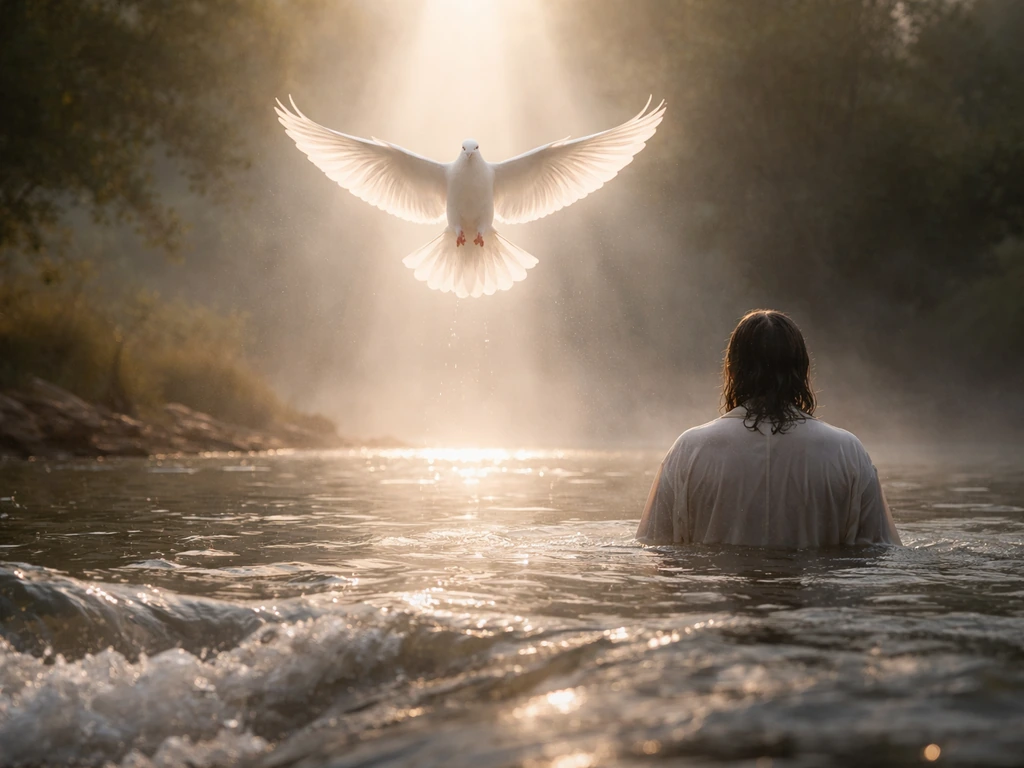
Yes, the bird of paradise is widely considered a symbol of good luck, but the reason why is more layered and interesting than a simple yes or no. Across cultures and spiritual traditions, this bird carries meanings tied to freedom, abundance, joy, divine favor, and attraction, all of which feed naturally into the idea of good fortune. Whether you've encountered the bird itself, its image in art or decor, or you're thinking about it as a tattoo or gift, those associations are genuine and rooted in a long symbolic history worth knowing.
Bird of Paradise Good Luck Meaning Across Cultures

Eleanor Hartwell
19 May 2026
What the bird of paradise actually symbolizes across cultures
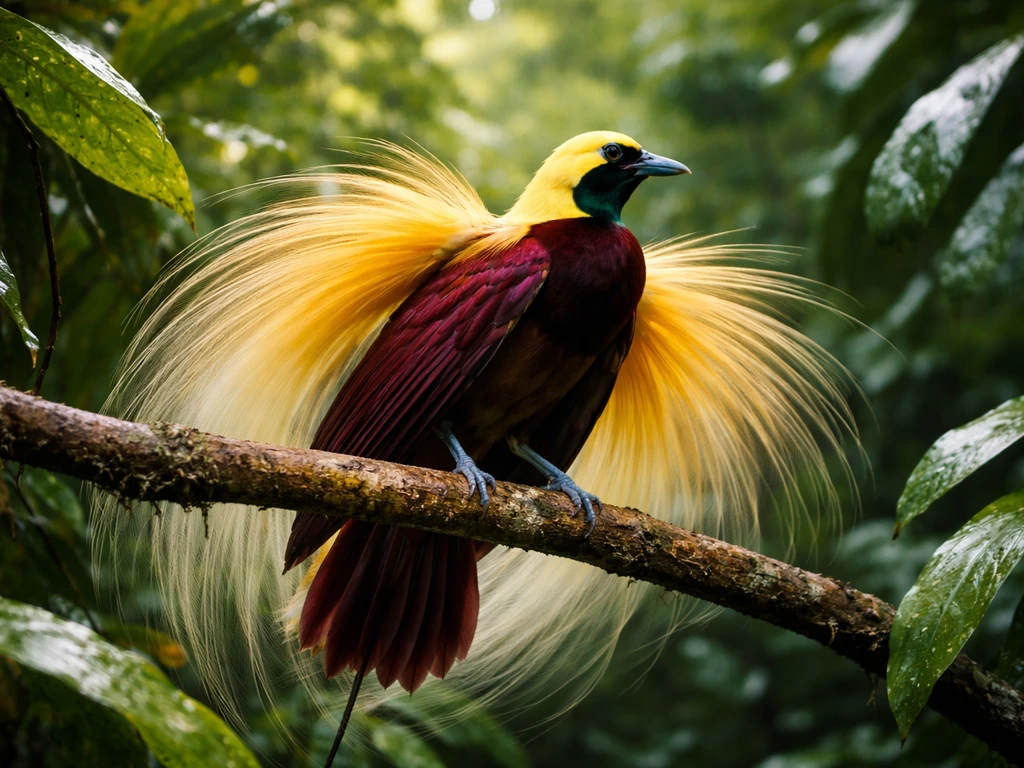
The bird of paradise is native to New Guinea and the surrounding islands of the Pacific, and the birds were first encountered by Europeans through trade skins that had been prepared without feet or wings. That detail matters symbolically: early Europeans genuinely believed these birds never landed, that they floated perpetually in a kind of celestial realm. The misconception was poetic enough that it shaped the entire symbolic tradition. A creature always in flight, never touching the ground, seemed to belong to paradise itself, and the name stuck.
From that origin, the symbolic meanings spread and deepened. In indigenous Papuan cultures, the bird held sacred status and was used in ritual regalia, ceremony, and leadership display. Its elaborate feathers weren't merely decorative, they communicated spiritual authority and connection to higher powers. Scholars who study bird symbolism in older traditions note that this pattern of birds serving as sacred mediators between earthly and divine realms appears across many cultures, from the sacred ibis connected to Thoth in ancient Egypt to the dove linked to Inanna in Mesopotamia. The bird of paradise fits neatly into that cross-cultural current: a creature of otherworldly beauty that seems to exist slightly above the ordinary world.
In broader symbolic frameworks, the bird of paradise represents liberty, magnificence, joyfulness, good perspective, and faithfulness. Those aren't arbitrary associations, they trace back to the bird's actual behavior. Male birds of paradise perform some of the most elaborate courtship displays in the animal kingdom, transforming their modified feathers into stunning visual spectacles to attract mates. That extraordinary effort to attract, to display authentic self, to pursue connection through beauty, became the lived behavior that symbolic systems later codified into meanings like love, creativity, and personal growth.
Why people specifically connect it to good luck
The link to good luck isn't an arbitrary modern invention. Folk beliefs from the bird's home region held that birds of paradise possessed actual powers to bring good fortune, a belief that traveled outward as the birds became known through trade and exploration. If you have heard about the myna bird as a sign of good luck, it fits into the broader pattern of birds becoming linked with fortune in everyday belief good fortune. Over time, that folk-level association merged with the bird's broader symbolic profile: a creature of paradise, abundance, and divine favor is, almost by definition, a lucky omen.
In color symbolism frameworks, yellow birds of paradise specifically stand for hopefulness, joy, and good luck, yellow being widely associated with optimism and golden opportunity across many traditions. The bird's general association with freedom and new beginnings also feeds the luck narrative: when something arrives that signals open horizons and fresh starts, people read that as auspicious. The symbolic logic is consistent. If this bird represents paradise, abundance, and attraction, then encountering it, in any form, feels like a favorable sign.
The bird in spiritual and religious traditions
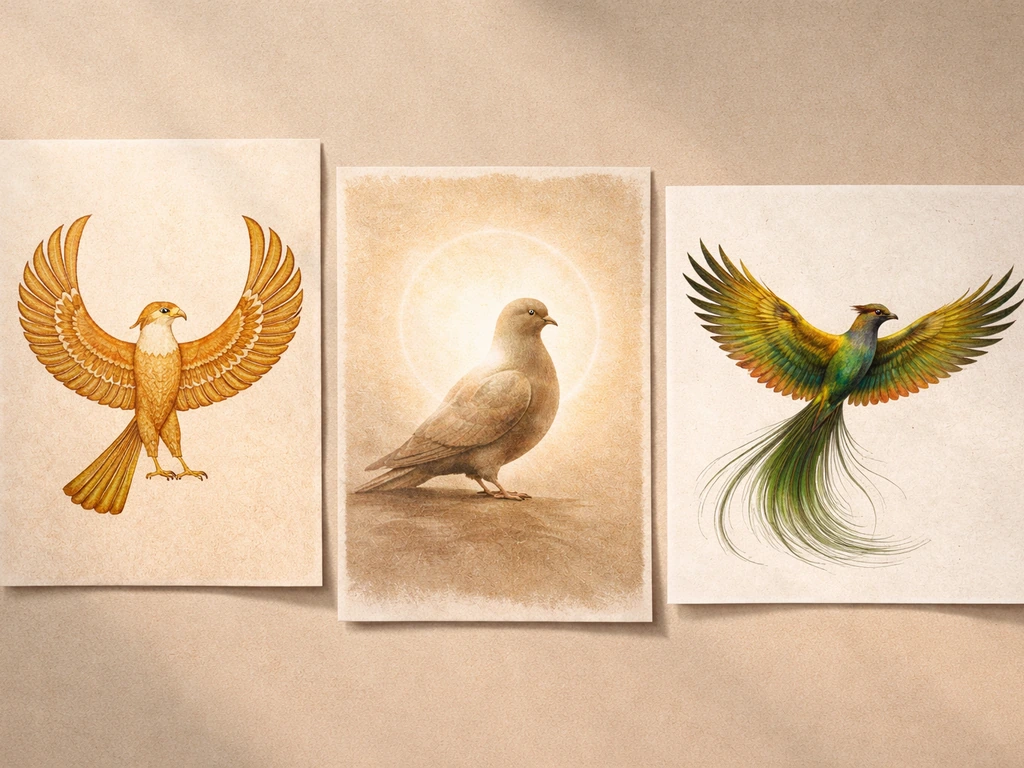
Birds have functioned as spiritual mediators in virtually every major religious tradition. In ancient Egypt, bird imagery was pervasive across society, wall art, pottery, ritual objects, because birds were understood to move between the human and divine worlds in ways other creatures could not. That interpretive framework, where birds carry messages or signal divine presence, is the same one that makes encounters with notable birds feel spiritually significant today.
The bird of paradise fits into this tradition through its very name. In Christian symbolic reading, paradise carries obvious resonance, a bird of paradise is, at least imaginatively, a creature from the garden before the fall, untouched and pure. In spiritual literature more broadly, the symbolism of birds and flight maps consistently onto themes of ascent, guidance, and transition. A bird associated with paradise specifically becomes a symbol of spiritual favor, divine blessing, and the possibility of elevation above ordinary circumstances.
In contemporary spiritual practice, the bird of paradise is treated as a high-vibration symbol, one associated with authentic self-expression, joy, and creative energy. Some practitioners use the imagery specifically to invite abundance and positive transformation, drawing on the same underlying logic as older traditions but framing it in modern terms. The folk beliefs from New Guinea that positioned the bird as a bringer of good luck were, in their own way, doing the same thing: using this extraordinary creature as a vessel for the hope that good things are possible.
Where you're most likely to notice it
Most people outside the Pacific region encounter the bird of paradise not as a living bird but through its image, and that's a legitimate form of symbolic encounter. Here are the most common contexts and what they tend to signal:
- Art and decor: The bird of paradise is a popular motif in tropical art, fabric prints, and interior design. Feng shui practitioners specifically recommend placing a white bird of paradise in areas related to ambition and career success, noting that its upward-reaching form is said to 'move energy upwards' toward good fortune. If you're seeing the image repeatedly in your environment, that's a reasonable cue to reflect on themes of abundance and opportunity.
- Gifts: Receiving a bird of paradise — as a plant, artwork, or charm — is traditionally a gesture tied to faithfulness, love, and thoughtfulness. It's considered an auspicious gift, particularly for new beginnings like housewarmings, new jobs, or the start of a relationship.
- Tattoos: In body art contexts, the bird of paradise tattoo tends to represent personal freedom, authentic self-expression, and the pursuit of beauty and joy. People who choose this motif often describe it as a reminder to live fully and embrace transformation.
- Real-life sightings: If you're in a region where these birds live — or if you encounter one in an unexpected context like a documentary, dream, or vivid mental image — traditional interpretive frameworks would treat this as a signal worth noticing. The consistent message is one of opportunity, beauty, and favor.
How to read the symbolism for your specific situation
Symbolic meaning isn't one-size-fits-all, and the bird of paradise is rich enough to speak differently depending on what area of life you're focused on. Here's how the core symbolism translates across common concerns:
| Area of Life | What the Bird of Paradise Suggests | Core Symbolic Theme |
|---|---|---|
| Love and relationships | Faithfulness, deep attraction, and joy in partnership. A sign to pursue genuine connection or appreciate what you have. | Courtship, loyalty, authenticity |
| Money and opportunity | New freedoms and the opening of fortunate paths. A prompt to pursue ambition with confidence. | Abundance, upward movement, paradise |
| Protection | Divine favor and spiritual elevation above difficulty. A reminder that beauty and goodness are available to you. | Sacred status, high-vibration energy |
| New beginnings | Strong auspicious energy for fresh starts. An invitation to embrace transformation without fear. | Freedom, flight, paradise framing |
If your situation involves love, pay attention to the bird's core behavior: the elaborate, authentic display of self to attract a worthy partner. The symbolic message is less about luck falling from the sky and more about the reward that comes from showing up fully as yourself. For money and opportunity, the feng shui framing is useful, the bird's energy is associated with ambition moving upward, which makes it a fitting focus when you're working toward a goal. For protection or reassurance during hard times, the 'paradise' framing offers comfort: this symbol carries connotations of divine grace and a world beyond present difficulty.
The difference between feather imagery and the living bird
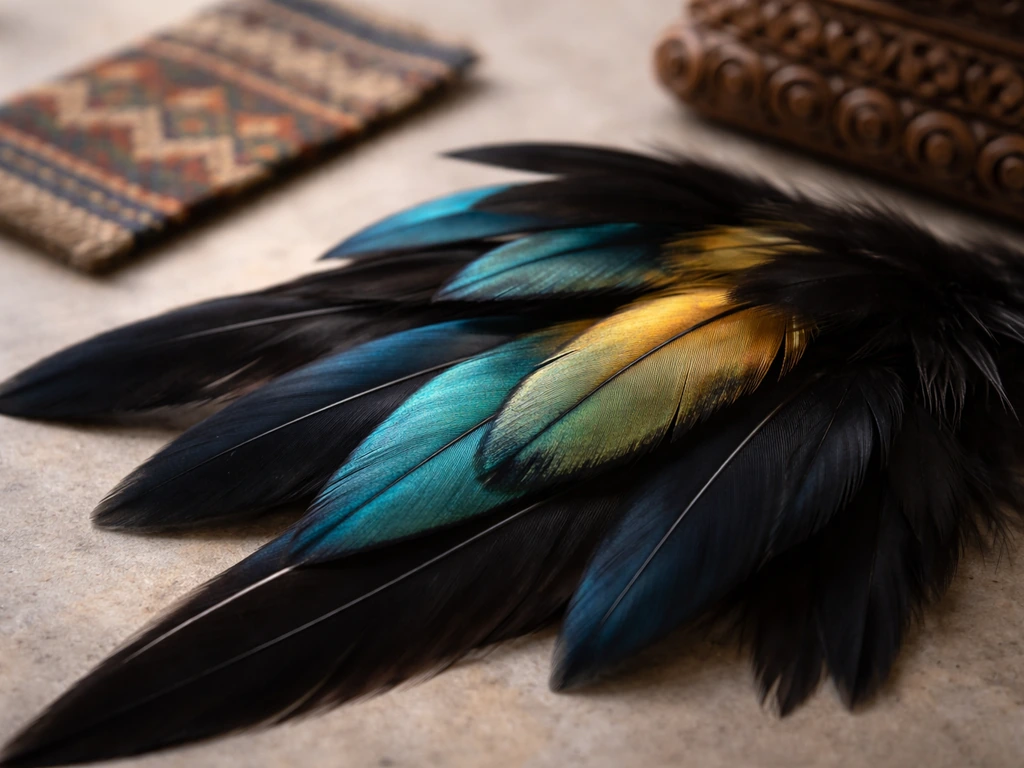
It's worth separating two distinct symbolic threads here, because they carry different nuances. The feathers of the bird of paradise have their own specific symbolic weight. Feathers in general carry deep spiritual meaning across traditions, they're associated with messages from higher realms, spiritual truth, and the soul's lightness. The feathers of the bird of paradise specifically are modified for courtship display, which means they carry the additional layer of attraction, beauty deployed with intention, and the power of authentic self-expression in pursuit of connection. If you encounter a feather or feather imagery specifically, the message tends to be more personal and interior: a prompt about your own truth, your own expression, your own capacity to attract what you need.
The bird as a whole, by contrast, carries the fuller symbolic profile: paradise, freedom, auspicious energy, divine favor, and the luck that flows from all of those things together. A feather asks you to look inward. The full bird asks you to look outward at what's becoming possible. Both are valid entry points, but they're asking slightly different questions. Other birds with strong feather symbolism traditions, like the flamingo, which also carries luck and grace associations, show a similar pattern where the feather and the bird carry related but distinct meanings.
Practical ways to work with the symbolism
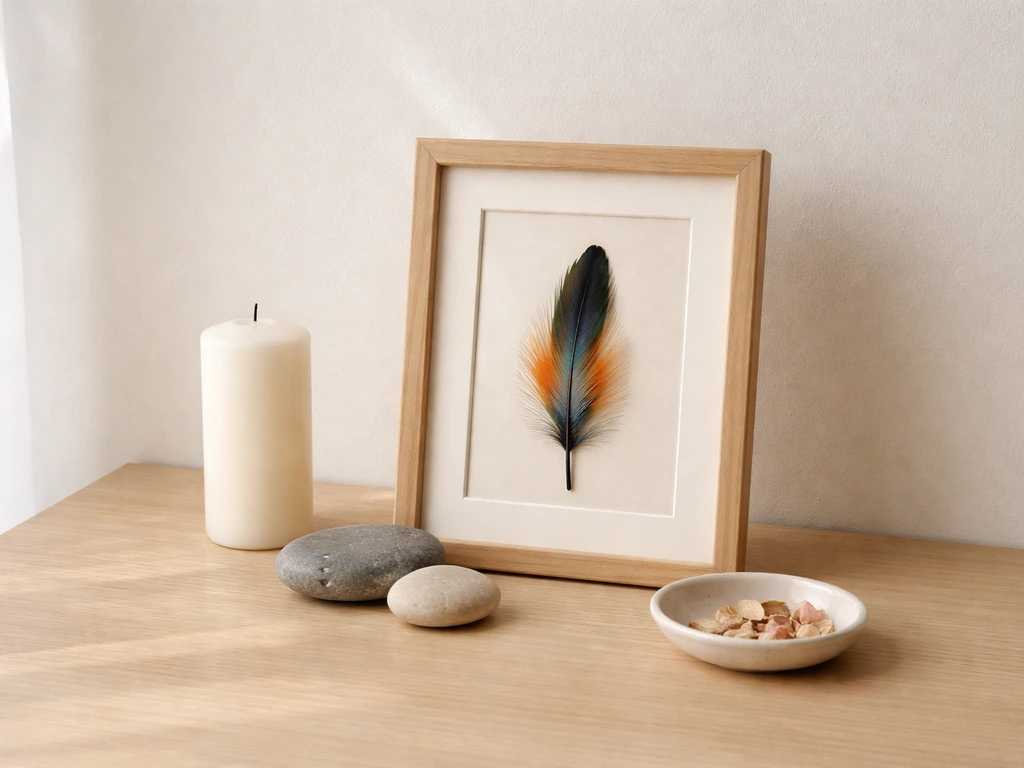
If you want to actually use the bird of paradise as a good-luck symbol rather than just understand it intellectually, here are some grounded, practical approaches:
- Use it as a visual anchor: Place an image, plant, or object featuring the bird of paradise in a space where you work toward a specific goal — a desk, a vision board, or a creative workspace. Feng shui specifically recommends placing the plant in areas associated with career and ambition, but away from the bedroom where its stimulating energy may not serve rest.
- Set a clear intention when you encounter it: The next time you notice the bird of paradise in any form, pause and name what you're hoping for. Symbolic encounters become more meaningful when they're met with conscious attention rather than passing notice.
- Journal the encounter: Write down when and where you encountered the image or bird, what was on your mind, and what the core themes of the bird (abundance, freedom, authentic attraction, new beginnings) might be pointing to in your life right now. This isn't magical thinking — it's using a meaningful symbol as a reflective tool.
- Offer gratitude: In many traditions, recognizing a good-luck omen comes with an appropriate response of thanks. A simple, sincere acknowledgment — even a quiet internal 'thank you for this sign' — closes the loop between symbol and meaning-maker.
- Give or receive it intentionally: If you're choosing a gift for someone at a threshold moment (new relationship, new home, new venture), a bird of paradise plant or piece of art carries a genuinely auspicious symbolic weight. Telling the recipient its meaning makes the gift richer.
- Let the behavior inspire you: The male bird of paradise doesn't wait passively for good fortune — it performs, creates, and displays itself with everything it has. The most practical takeaway from this symbol might simply be that the luck it represents tends to meet people who show up fully. Let the bird remind you to do the same.
Symbolism works best when it functions as a lens rather than a script. The bird of paradise doesn't guarantee anything, but as a focus for intention, a reminder of abundance, and a prompt toward authentic action, it has earned its reputation as one of the more genuinely auspicious symbols in the wider world of bird meaning. In Celtic traditions, bird meaning can also vary by species, offering additional layers to the symbolism people connect with luck and omens. In that context, knowing the guinness bird meaning can help you interpret the symbolism more precisely for your situation. That reputation crosses cultures, spans centuries, and holds up when you trace it back to its roots. That's a solid foundation for whatever meaning you want to build from it.
FAQ
If I see a bird of paradise image or decoration, does it always mean good luck is coming?
Not exactly. Most traditions treat the bird of paradise as an auspicious symbol that can inspire or align your intentions, rather than a guaranteed outcome. If you want to use it practically, pair the imagery with a specific action (for example, one bold step toward a goal) so the “luck” meaning becomes a decision you take, not only a sign you wait for.
Does the bird of paradise good luck meaning change if the image is yellow versus another color?
Color matters for the tone of the omen. Yellow is commonly read as hopefulness and optimistic opportunity, while the broader bird symbolism emphasizes freedom, abundance, attraction, and spiritual favor. If you are choosing a gift or selecting a tattoo, matching the color to the life area you want to emphasize (hope versus attraction versus upward ambition) makes the meaning feel more targeted.
How do I interpret bird of paradise good luck meaning for love versus money versus protection?
Yes, the context can shift what “good luck” means. As a symbol, it tends to read differently for love (self-expression and presenting your best self), money or opportunity (ambition and upward movement), and reassurance (paradise framing, grace, and a better world beyond current hardship). If you tell me which area you are focused on, I can help you pick the most fitting interpretation.
What does it mean differently if I’m drawn to a feather image instead of the full bird?
The article distinguishes feather versus whole-bird emphasis. If you encounter feathers or feather imagery, the reading is usually more personal and inward, focusing on truth, expression, and what you are ready to reveal. If you encounter the whole bird, the meaning expands outward toward opportunity, favor, and what becomes possible around you.
What is a common mistake people make when using bird of paradise as a good luck symbol?
In many symbolic systems, the bird’s presence can be read as encouragement to act authentically. A common mistake is waiting for passive “luck” rather than making choices that match the symbolism. If you are stuck, try a simple alignment check: what is one honest expression you have been holding back, and what is one next step that moves you toward the life you want?
Is bird of paradise good luck meaning more spiritual symbolism or a prediction of events?
Because the meanings developed through both real-world observations (like dramatic courtship displays) and cultural stories, it is best to avoid taking it as a literal prediction. If you want a more grounded practice, use it as a lens for your behavior (display confidence, take initiative, seek connection) and track results over time. That turns symbolism into a feedback loop instead of a superstition.
Does it matter that I live far from the bird’s native region, so I only encounter it in art or decor?
It can still be meaningful even if you are not in the bird’s native region. Many people connect through art, tattoos, jewelry, and decor, and those count as symbolic encounters. The key is to decide what you want the symbol to cue for you personally, since the same image can carry different life-area meanings for different people.
How can I choose the right bird of paradise gift or tattoo to match someone’s situation?
Yes. If you are gifting it or using it symbolically for someone going through changes, the most respectful approach is to ask or consider their current focus (new job, relationship change, rebuilding confidence). The symbol works best when it is tailored, for example emphasizing hopeful yellow for a fresh start, or the whole-bird “favor and abundance” for a broader transition.
What’s a practical way to work with bird of paradise good luck meaning day to day?
There is no universal standard for “the” exact good luck routine, so interpretative flexibility matters. A practical option is to set an intention when you place the symbol (buying the item, getting the tattoo, setting up decor) and then revisit it weekly. If the symbol stops feeling helpful, swap the focus or change the action you are taking, rather than assuming the luck failed.
Next Article
What Bird Represents Jesus? The Dove and Other Common Symbols
Find the Christian bird symbol of Jesus: the dove and its link to the Holy Spirit, plus common alternatives and how to v