
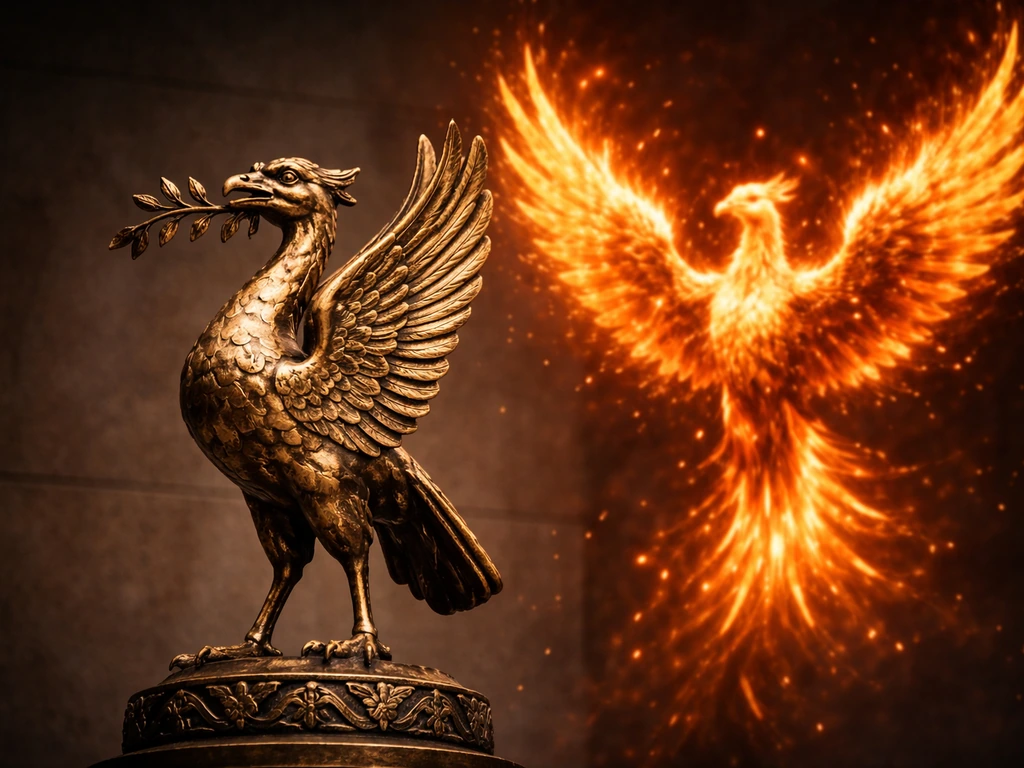
The Liver Bird is not a phoenix, but the comparison is older and more meaningful than you might expect. The Liver Bird is Liverpool's mythical civic emblem, rooted primarily in cormorant imagery and about 700 years of heraldic tradition. But at least one historical writer explicitly compared it to a phoenix, and one scholarly source describes it as carrying "some of the qualities of phoenix, eagle and dove." So the honest answer is: the Liver Bird is its own mythical creature, not a phoenix, but the phoenix parallel is a legitimate symbolic reading with real historical backing.
Is the Liver Bird a Phoenix? Meaning and Source Check

Eleanor Hartwell
26 Apr 2026
What "Liver Bird" and "Liverpool Bird" actually mean
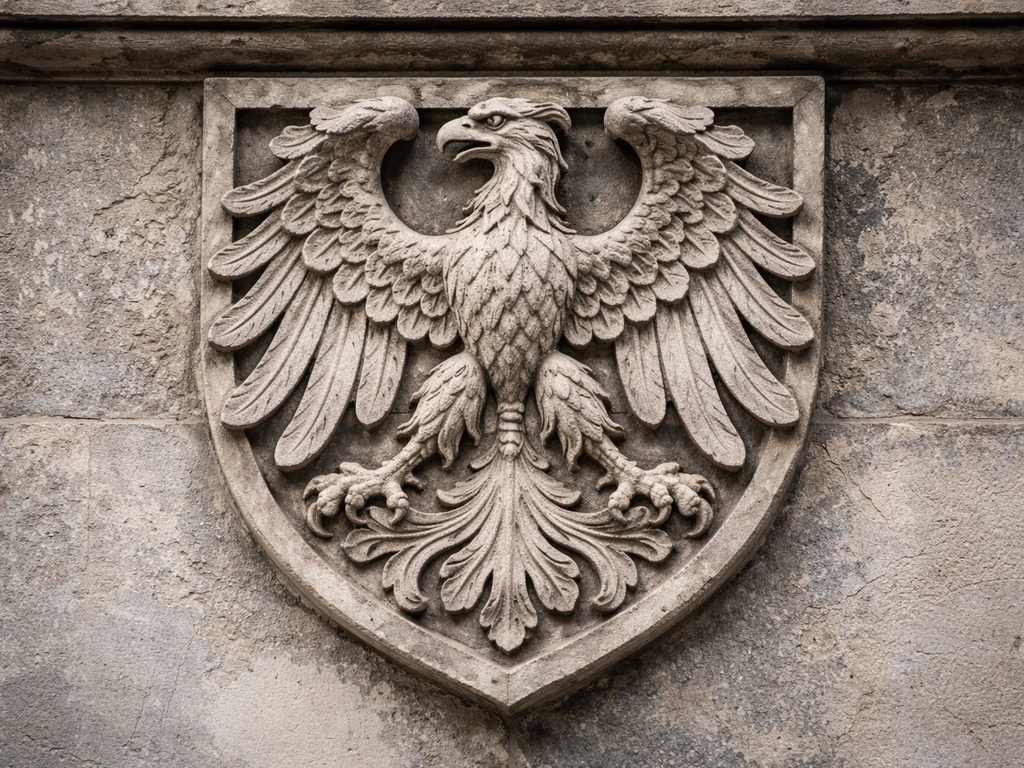
When people search "is the liver bird a phoenix" or "is the Liverpool bird a phoenix," they are almost always asking about the same thing: the heraldic mythical creature that has served as the symbol of Liverpool, England for roughly 700 years. The Liver Bird appears on the city's coat of arms, most famously perched atop the Royal Liver Building on the waterfront, and its image is reproduced across civic branding, sculpture, and local culture throughout the city.
The name "liver" is not a reference to the organ. It most likely derives from "laver," a type of seaweed the bird is traditionally depicted holding in its beak, though the etymology has been debated for centuries. If you've seen the phrase "Liverpool bird" rather than "liver bird," it's almost certainly the same symbol, just described by the city's name rather than the creature's formal title. The two terms are interchangeable in everyday usage.
What makes the Liver Bird genuinely unusual is that it has never been pinned down to a single, fixed species. Liverpool Museums' Liver Bird Trail states plainly that "over time, there have been lots of different Liver Birds." Museum experts describe the creature as "mainly made up of Eagle" but incorporating "Cormorant and bits of other birds." Wikipedia identifies it as "normally represented as a cormorant." That slippery, composite identity is part of what makes the phoenix comparison feel natural to some observers: like the phoenix, the Liver Bird is something beyond any one real bird.
What the phoenix represents symbolically
The phoenix is one of the most universally recognized symbols in mythology, appearing in ancient Egyptian, Greek, Roman, Arabian, and Chinese traditions. Its core meaning is rebirth through destruction: the phoenix lives for hundreds of years, burns itself to ash, and rises renewed from its own fire. That cycle makes it a powerful symbol of transformation, spiritual resurrection, renewal after loss, and the persistence of life through endings. In a spiritual context, encountering phoenix imagery or being told something "has the qualities of a phoenix" is an invitation to see cycles of death and renewal as meaningful rather than catastrophic.
Phoenix symbolism is particularly resonant when someone is navigating a period of significant change: the end of a relationship, a career transition, grief, recovery, or any experience that feels like one version of life is burning away to make room for another. If you came to this question during a moment like that, the phoenix framing is worth sitting with, regardless of whether the Liver Bird technically qualifies.
Where the phoenix comparison actually comes from

The specific comparison between the Liver Bird and the phoenix has at least two traceable sources worth knowing about. The first is an Old Mersey Times historical article that describes the corporation bird as "the creature of fiction, like the renowned phoenix," comparing both to imaginary, mythologized creatures rather than real birds. This is a simile of mythological status, not an identity claim, but it shows the phoenix parallel is not a modern internet rumor.
The second and more symbolically rich source is a Cambridge Core book introduction about the Liver Building, which describes the Liver Bird as "a mythical creature with some of the qualities of phoenix, eagle and dove," while also being "very clearly at core a cormorant." That framing is the most useful one: the Liver Bird is cormorant-based in form but mythically composite in meaning, and phoenix is one of the symbolic registers it touches without fully occupying.
How to verify the source of the claim you're looking at
If you encountered the phrase "the liver bird is a phoenix" (or something close to it) in a specific piece of writing, artwork, or community context, here are practical steps to trace it back to its source and interpret it correctly.
- Identify the medium: Is it a quote, a piece of art, a local story, a tattoo design, or a community saying? Each context carries different symbolic weight. Art and tattoos often borrow phoenix symbolism intentionally; civic history is more likely to use it as a comparison of mythical status.
- Check Liverpool Museums' Liver Bird Trail materials online. They are the most authoritative public-facing source on the Liver Bird's history and variations, and they are explicit about what the bird is and is not.
- Search the exact phrase alongside "Liverpool" and "symbolism" to see whether it appears in a known historical text (like Old Mersey Times), an academic publication, or a piece of modern creative work.
- If the claim appears in a spiritual or symbolic context (a reading, a card, a dream interpretation), treat it as intentional phoenix symbolism applied to a Liverpool-specific image, and interpret accordingly.
- If you're looking at a coat of arms, the NSW Liverpool City Council's crest documentation confirms the cormorant/liver bird connection directly and can help you verify whether the image is heraldic or artistic.
Phoenix themes vs. what the Liver Bird actually means
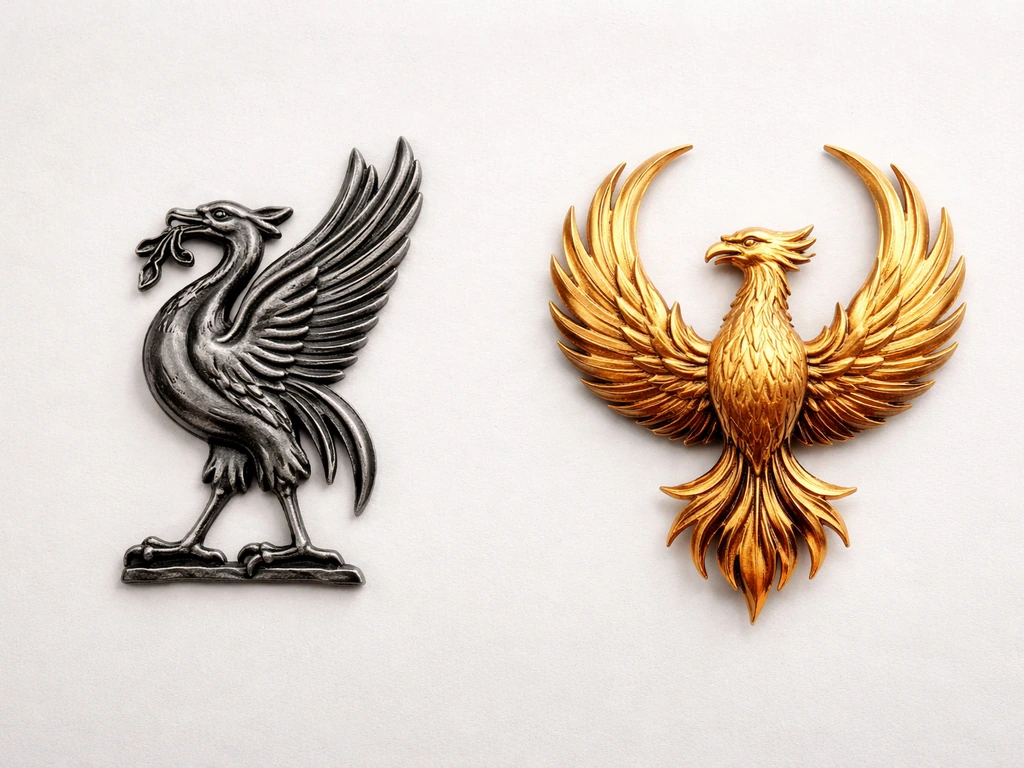
Comparing the two symbols side by side is genuinely useful, because there are real overlaps and real differences. If you are looking specifically at the Thomas coat of arms, that Liver Bird-style figure is often explained as the emblematic “Liver Bird” linked to Liverpool’s heraldic imagery. That is why the Liver Bird has long been the Liverpool symbol people associate with the question, why is the liver bird the symbol of Liverpool Liver Bird-style figure. Phoenix symbolism is specifically about destruction and rebirth through fire. The Liver Bird carries no fire mythology. Its associations are with the sea, with Liverpool's port identity, with civic pride and resilience, and with the passage of time across a great waterfront city. When you see the Liver Bird as civic pride, you can read it as a symbol of renewal that still stands proud at the waterfront where the noble bird stands proud. The cormorant at its core is a bird of persistence and endurance: a diver that enters dark water and returns, again and again.
| Symbol | Core identity | Rebirth/renewal theme | Cultural roots | Elemental association |
|---|---|---|---|---|
| Phoenix | Mythical firebird | Yes, central and literal (fire, ash, resurrection) | Egyptian, Greek, Roman, Arabian, Chinese | Fire |
| Liver Bird | Mythical composite (cormorant/eagle base) | Implied through mythical status and resilience, not explicit | English heraldic, Liverpool civic tradition, ~700 years | Water/sea |
The spiritual overlap is real but indirect. Both are mythical birds that transcend a single real species. Both carry a sense of something that persists beyond ordinary limits. If you are drawn to the Liver Bird as a symbol of renewal, that reading is supported by the composite, enduring, mythically charged nature of the creature, even if the phoenix's fire-and-ash cycle is not literally present. The Cambridge Core description of it carrying "qualities of phoenix, eagle and dove" gives you scholarly permission to hold all three symbolic registers at once. If the “halcyon bird” meaning is what you are after, it comes from a different strand of myth and symbolism than the Liverpool Liver Bird halcyon bird meaning.
Liver bird vs. Liverpool bird: sorting out the confusion
A significant source of confusion in this question is the spelling and naming variation. "Liver bird" and "Liverpool bird" describe the same symbol in casual usage, but the terms can throw off searches and lead people to think they are looking for two different things. The formal name is "Liver Bird," named for the city's emblem rather than the organ. "Liverpool bird" is simply the colloquial way of saying the same thing.
There is also a separate confusion that sometimes arises: people occasionally encounter references to the Liver Bird and assume it must be based on a single, identifiable real bird, then get confused when sources describe it as an eagle, then a cormorant, then something else entirely. This is not an error in the sources. The Liver Bird has genuinely shifted across representations over 700 years, which is itself a kind of transformation narrative. If you are doing symbolic interpretation, that fluidity is meaningful rather than problematic.
One more identity note: if you have come across the "bird of hermes" concept in symbolic reading, that is a separate mythological lineage entirely, connected to alchemical and esoteric traditions rather than English heraldry. If you are specifically looking at the lineage connected to alchemy and esoteric traditions, that phrase points to alucard the bird of hermes is my name. The Liver Bird and the bird of hermes do not share a tradition, despite both being composite mythical creatures.
What to do with this symbolically right now
Here is how to move from curiosity to a confident, grounded interpretation, whether you are doing personal reflection, spiritual study, or just trying to settle an argument.
- Confirm what you are actually looking at. If it is the Liverpool/Liver Bird, you are working with a symbol of civic endurance, mythical composite identity, and maritime persistence rooted in cormorant imagery. That is your foundation.
- Decide whether the phoenix framing applies to your situation. If you are in a period of transformation or renewal, the phoenix-adjacent qualities scholars have identified in the Liver Bird are a legitimate lens. You are not misreading anything.
- If you want pure phoenix symbolism (rebirth, fire, complete destruction and renewal), the Liver Bird is not the primary vehicle for that. Work with the phoenix directly as your symbolic anchor.
- If the Liver Bird resonates specifically because of its Liverpool connection, its waterfront identity, or its endurance across centuries of change, lean into those meanings: resilience, rootedness, the persistence of identity through time.
- Use the comparison as a personal framework rather than a fixed truth. Symbolism works best as a lens you choose, not a label you apply. Whether you read the Liver Bird as phoenix-adjacent or as its own distinct symbol of endurance is a matter of what your current moment calls for.
- If you want to explore the civic and heraldic dimension further, why the Liver Bird became Liverpool's symbol in the first place is a rich question in its own right, and understanding that origin sharpens any symbolic reading you take from it.
The Liver Bird is not a phoenix, but it lives in similar mythological territory: a creature that resists easy categorization, that has changed across centuries without losing its core identity, and that carries the weight of a city's sense of itself. If you want to connect this to heraldry, the secretary bird coat of arms meaning is often discussed alongside other civic emblems and their symbolic histories Liver Bird. If your question is whether you can read phoenix-style rebirth symbolism into an encounter with this bird, the answer is yes, and you have historical and scholarly company in doing so. If you are also wondering which bird is known as the herald of spring, that is a separate tradition you can explore once you have the Liver Bird vs. phoenix question sorted out.
FAQ
If the Liver Bird is not a phoenix, where does the “phoenix” comparison usually come from?
It typically shows up as a symbolic analogy, not as an identity claim. Writers notice that the Liver Bird is composite and “mythical” across centuries, so they borrow phoenix language for themes like endurance or renewal, even though the Liver Bird itself is not tied to fire-and-ash rebirth.
Can I use phoenix-style “rebirth” symbolism when looking at the Liver Bird in civic art or buildings?
Yes, as a personal or interpretive reading. The safest approach is to frame it as thematic resonance (renewal, persistence, transformation) rather than a literal phoenix myth, since the Liver Bird is anchored in port and sea imagery instead of a burning cycle.
Does the Liver Bird ever appear with fire or ash elements, like a phoenix would?
Not in the standard, widely reproduced civic depictions. When you see fire-like details, they are usually coming from a separate artistic style or a specific artwork’s symbolism, so it helps to check whether the piece is official civic branding or later reinterpretation.
Why do some sources call it “eagle,” others “cormorant,” and others say “qualities of phoenix, eagle, and dove”?
Because the emblem’s representation has shifted over about 700 years, and different authors describe different aspects (core form versus symbolic attributes). A practical reading strategy is to separate “what bird does it look like?” from “what qualities does it symbolize?”
Is “Liver bird” and “Liverpool bird” a common spelling mistake, or are they different symbols?
They refer to the same civic emblem in everyday usage. The spelling difference is mostly search and colloquial variation, and it usually does not indicate a different tradition, just how the symbol is named in speech or writing.
If I’m trying to confirm whether something says “the Liver Bird is a phoenix,” how should I verify the claim?
Track the exact wording and treat it like a provenance check. Look for whether the text uses a simile or metaphor (for example “like” or “qualities of”) versus a direct identification, because many discussions blend symbolic description with artistic comparison.
Does the phoenix comparison change depending on whether the Liver Bird is on a specific coat of arms or sculpture?
It can. Different panels, restorations, and local adaptations may emphasize different attributes, so if you want “phoenix” symbolism, compare multiple examples from the same lineage or artist. Otherwise, you may be seeing the metaphor of one author rather than the intent of the emblem itself.
Where should I be cautious about mixing up the Liver Bird with other “mythical birds” people mention online?
Be careful with phrases tied to entirely different myth systems, especially esoteric or alchemical “Hermes” bird references. Those lineages are separate from English heraldic tradition, so “bird of hermes” content can distract from the Liver Bird vs phoenix question.
Is there any real overlap in meaning between the phoenix and the Liver Bird beyond “renewal”?
Yes, but it is indirect rather than literal. Both can represent persistence beyond ordinary limits because they are mythical composites, but the Liver Bird’s recurring associations are more sea, endurance, and civic identity than fire-based rebirth.
What’s the quickest way to settle an argument about this question with someone else?
Agree on definitions first: the Liver Bird is Liverpool’s civic emblem (not a phoenix by species), then decide whether the other person is using “phoenix” metaphorically. If it’s metaphor, ask what theme they mean (renewal, endurance, transformation), and ground it in the emblem’s non-fire associations (sea and port identity).
Next Articles

Where Does the Noble Bird Stand Proud? Spiritual Sign Guide
Decode where the noble bird stands proud through symbolic signs, bird imagery, and next-step spiritual prompts from majo

What Bird Is a Sign From Heaven? Meaning and How to Interpret
Which bird is often seen as a sign from heaven, plus a step-by-step way to interpret your specific encounter.

What Bird Symbolizes Someone From Heaven? Meanings
Cross-cultural guide to birds symbolizing someone from heaven, with meanings, context clues, and how to validate sightin