
The most common "bird of prey" in the Bible is either a literal raptor (most often an eagle or vulture, depending on the verse and translation) or a symbolic predatory figure standing in for a conquering nation or divine instrument of judgment. In Isaiah 46:11, the bird of prey is almost certainly Cyrus the Great of Persia, described through the Hebrew word ʿayit (Strong's 5861), which means a predatory bird in the raptor family. In Genesis 15:11, actual birds of prey (likely vultures or other carrion birds) descend on Abraham's sacrifice. The specific answer always depends on which verse you mean, so the fastest path to clarity is knowing your passage, your translation, and whether the text is prophetic or narrative.
Who Is the Bird of Prey in the Bible? How to Know

Eleanor Hartwell
1 May 2026
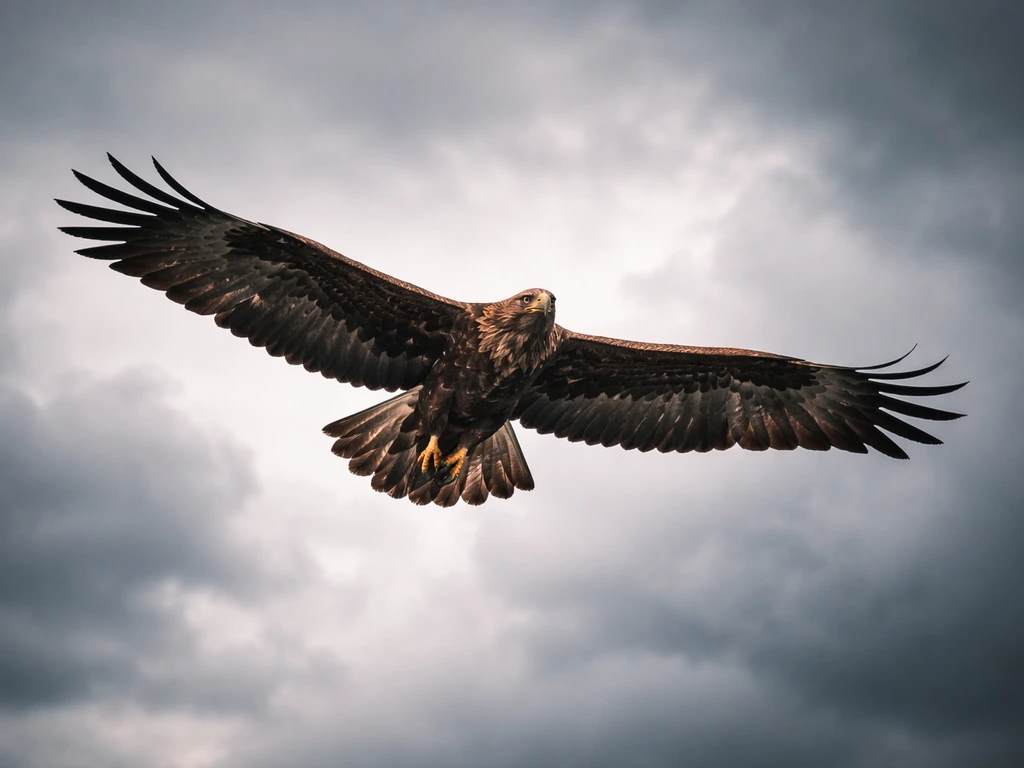
How "bird of prey" is actually used in the Bible
The phrase "bird of prey" traces back to the Hebrew noun ʿayit (עַיִט, Strong's 5861), which carries the core meaning of a predatory bird, specifically one that hunts or scavenges. It is not tied to a single species. Think of it the way we use the English word "raptor" today: it describes a category of predatory birds, not one animal. When translators render ʿayit into English, they make judgment calls based on surrounding context. Some go with "bird of prey" (NIV, NASB, NRSV), others write "ravenous bird" (KJV), and a few go more specific with "eagle" or "hawk" depending on what the surrounding verses suggest.
This translation variability is worth paying attention to because it tells you something important: the biblical authors were not always trying to name one species. They were invoking the idea of a hunter, a swift-moving predator, something that strikes from above and does not miss. That behavioral image is what carries the symbolic weight, whether the text is describing a real bird or a human conqueror.
The key biblical passages that use bird of prey imagery

A handful of passages do most of the heavy lifting when it comes to birds of prey in Scripture. Understanding each one individually makes the whole picture much clearer.
| Passage | Hebrew/Greek term | Most likely bird intended | Literal or symbolic |
|---|---|---|---|
| Genesis 15:11 | ʿayit (עַיִט) | Vultures or carrion raptors | Literal — actual birds land on the sacrifice |
| Isaiah 46:11 | ʿayit (עַיִט) | Cyrus the Great (eagle/raptor as metaphor) | Symbolic — a conquering human figure |
| Isaiah 18:6 | ʿayit (עַיִט) | Carrion birds, possibly vultures or kites | Literal imagery within a prophetic warning |
| Ezekiel 39:4, 17 | ʿayit (עַיִט) | Scavenging raptors and birds | Literal birds in a prophetic/apocalyptic scene |
| Matthew 24:28 / Luke 17:37 | aetos (ἀετός, Greek) | Eagles or vultures gathering at a carcass | Proverbial — signals a coming judgment event |
Genesis 15:11 is one of the most vivid animal scenes in the Hebrew Bible. Abraham lays out a covenant sacrifice and birds of prey descend to take the carcasses. He drives them away. These are almost certainly large raptors or vultures drawn by the smell of blood and exposed flesh, a completely natural wildlife behavior that the text uses to build narrative tension before God's covenant promise arrives. It is one of the few passages where the bird of prey is definitively literal rather than metaphorical.
Isaiah 46:11 is the passage most people are asking about when they search this question. God declares that he will call "a bird of prey from the east, the man of my purpose from a far country." The NET Bible notes make the interpretive choice explicit: some translations read "eagle" (more specific), while others stay with "bird of prey" (more general). Either way, the referent is Cyrus of Persia, and the bird metaphor describes the speed, precision, and inevitability of his military campaigns. The bird does not literally appear here. It is the vehicle for the prophecy.
Matthew 24:28 and its Luke parallel quote what appears to be a proverb: "Where the carcass is, there the eagles will gather." The Greek word aetos can mean eagle or vulture, and given the context (carrion), most scholars lean toward a vulture or the griffon vulture specifically, which was common in the ancient Near East. Jesus uses this as a sign-marker for the coming of the Son of Man, tying the bird-of-prey image directly to a moment of divine judgment. This verse feeds directly into the broader New Testament pattern of raptor imagery as a signal that something decisive and final is about to happen.
The most likely candidates: eagle, vulture, or general raptor?
Three birds come up most often when scholars work through these passages, and knowing the differences helps you land on the right one for your verse.
The eagle
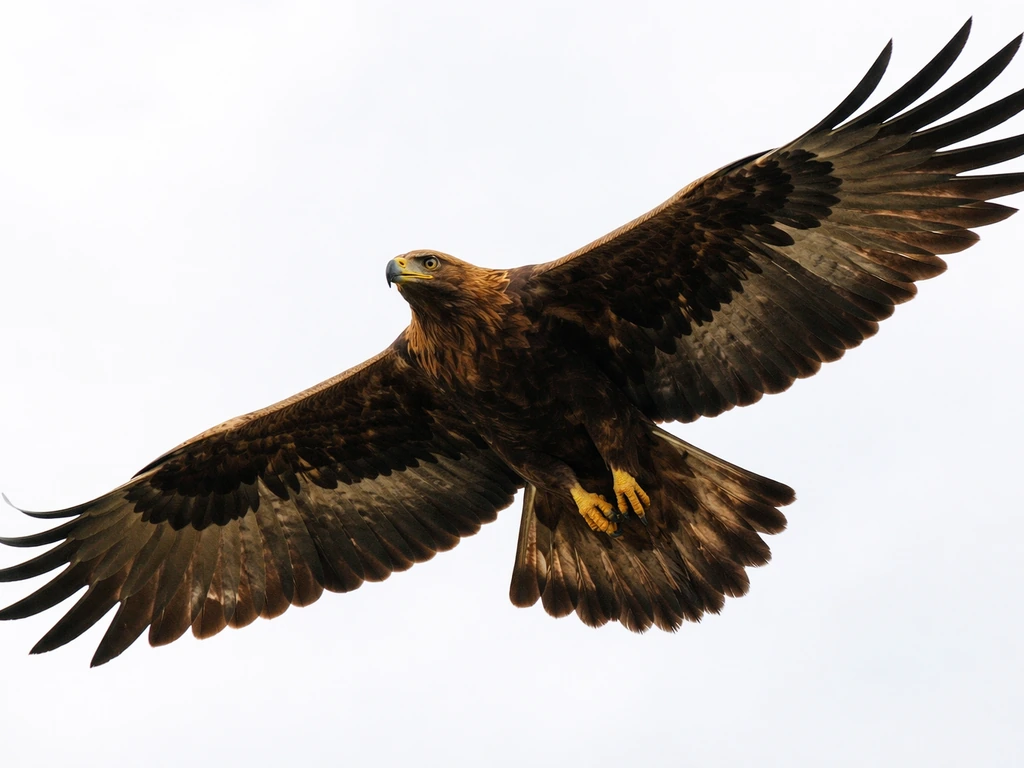
The eagle is the go-to symbolic raptor in Scripture because it combines power, speed, and height. When a passage is about a conquering nation, divine strength, or swift decisive action, translators often lean toward eagle. Isaiah 46:11 is the clearest example. Eagles in biblical culture represented royalty and unstoppable force, much the way they function in modern national imagery. When the text is describing God's protective power (like carrying Israel "on eagles' wings" in Exodus 19:4), the eagle's soaring ability is the point.
The vulture
When the passage involves carcasses, battlefields, or the aftermath of divine punishment, the bird in question is more likely a vulture or a large carrion-eating raptor. The griffon vulture was widespread in ancient Israel and would have been a familiar and ominous sight circling above death. Genesis 15:11, Ezekiel 39, and the Matthew/Luke "carcass" proverb all fit this profile. Vultures do not hunt and kill, they wait and descend, which gives them a different symbolic weight: they signal that judgment has already occurred and they are arriving for the aftermath.
Hawks, kites, and other raptors

In a few passages, particularly Isaiah 18:6, the context suggests smaller or mixed raptors, possibly kites, hawks, or a general flock of scavenging birds. The Hebrew ʿayit is broad enough to include all of these. When the text is painting a scene of total devastation (bodies left in the open for every kind of raptor), the author is not trying to name one species. They are evoking the worst possible fate: no burial, consumed by predators.
When the bird of prey is a metaphor, not a literal bird
This is where the question gets genuinely interesting, especially for readers drawn to symbolic interpretation. In prophetic texts, the bird of prey is frequently a stand-in for a human agent of divine purpose. Isaiah 46:11 is the clearest example: Cyrus the Great is the "bird of prey from the east." He is characterized by raptor-like qualities: he strikes swiftly, comes from a distant horizon, and accomplishes God's purpose without hesitation. The bird metaphor is doing the work of describing military speed, territorial dominance, and predatory precision.
This prophetic use of bird imagery is not unique to Isaiah. Across the Hebrew prophets, nations and rulers are routinely described through animal metaphor. Babylon is a lion, Assyria is a cedar, and conquering kings are eagles or birds of prey swooping in. The choice of a raptor as metaphor is deliberate: raptors see from above, strike without warning, and are essentially unstoppable once they have committed to a dive. For a reader in ancient Israel, that image carried the same emotional weight that a missile strike might carry today.
There is also a related concept worth noting: the phrase "a bird of the air shall carry the voice" (Ecclesiastes 10:20) invokes birds as witnesses or messengers, a completely different symbolic register from the predatory bird of prey passages. The two images, raptor as destroyer vs. bird as messenger, sit in interesting tension throughout Scripture and are worth holding separately when you are trying to interpret a specific verse.
How to identify the bird in your specific verse
If you are looking at a specific passage and want to know which bird is intended, work through these questions in order. They will narrow it down quickly.
- What book and verse are you in? Prophetic books (Isaiah, Ezekiel, Jeremiah) use bird-of-prey imagery symbolically far more often than narrative books (Genesis, Leviticus) do.
- Is there a carcass, a battlefield, or dead bodies nearby in the text? If yes, the bird is almost certainly a vulture or scavenger, arriving after judgment rather than causing it.
- Is the bird acting, hunting, or striking? If the bird is described as coming swiftly, being called or sent, or executing something, you are likely looking at eagle symbolism or a metaphor for a human agent.
- What does your translation say? Check two or three versions side by side. If the KJV says 'ravenous bird' and the NIV says 'bird of prey' and a study Bible notes 'possibly eagle,' you are dealing with ʿayit, a broad Hebrew category.
- Is there a person or nation identified nearby? In Isaiah 46: 11, Cyrus is identified in surrounding verses. The bird metaphor illuminates the person, not the other way around.
- Check the NET Bible translation notes or a commentary for your verse. The NET notes on Isaiah 46:11 explicitly discuss whether the term should be read as 'eagle' or the more general 'bird of prey,' which gives you the scholarly range of interpretation at a glance.
Most of the time, once you answer questions one and two, you will already have a confident working interpretation. The genre (prophecy vs. narrative) and the presence or absence of carcass imagery are the two fastest filters for narrowing down which raptor the author had in mind.
Feathers, flight, death imagery, and what it all means
Birds of prey in the Bible carry a cluster of symbolic meanings that go beyond any single verse. Understanding the individual threads helps you read any raptor passage with more depth.
Flight and height as divine power
In biblical symbolism, the ability to soar at great height is consistently associated with God's perspective and power. Eagles "mount up with wings" (Isaiah 40:31) as a metaphor for spiritual renewal and endurance. The bird of prey sees from above what humans cannot see from the ground, which made raptors natural symbols for omniscience, divine oversight, and the perspective that transcends ordinary human limitation. If you are wondering about the bird of prey meaning in the Bible, this “called from above” imagery often points to God’s watchful power and decisive action. When a bird of prey is described as being "called" or "sent" by God, it reinforces the idea that this creature operates at a level beyond human interference.
Carcass and scavenger imagery as the result of judgment
The most viscerally powerful use of bird-of-prey imagery in the Bible is the scavenger scene: bodies left unburied, raptors circling and descending. In the ancient Near East, to be left without burial and consumed by birds was considered among the worst possible fates, a sign of total disgrace and divine abandonment. When Ezekiel 39 invites birds of prey to a great feast on the bodies of enemies, or when Revelation 19:17 echoes that same image with an angel calling birds to a "great supper," the point is not gratuitous gore. It is the completion of judgment. The birds arriving means something final and irreversible has happened.
The predator as instrument, not villain
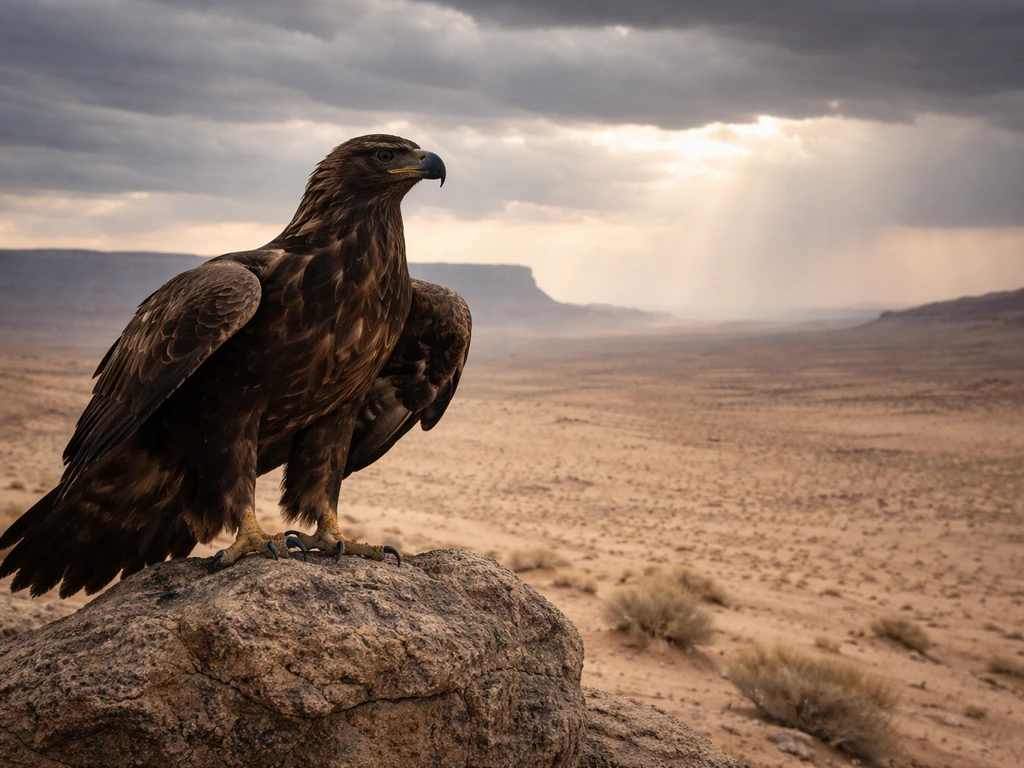
One of the most theologically interesting aspects of bird-of-prey symbolism in the Bible is that the raptor is almost never cast as evil. In Isaiah 46:11, Cyrus (the bird of prey) is God's chosen instrument, not an enemy of God. Some readers even connect this symbolism to Mary imagery, like “mother Mary,” by treating her as a bird of prey figure mother Mary is a bird of prey. In Genesis 15, the birds Abraham drives away are simply doing what birds do. Even in the apocalyptic passages, the raptors are responding to divine invitation. This is worth sitting with if you are approaching these texts for spiritual meaning: the predator in biblical bird symbolism is often a sign of divine action in the world, powerful, swift, and aligned with a purpose larger than itself, rather than a symbol of corruption or wickedness.
Perching, watching, and the omen of arrival
In several passages, the bird of prey is described as arriving or hovering before the main event, which mirrors real raptor behavior. Raptors circle, perch, and watch before they strike. This behavioral reality gave biblical authors a ready-made image for impending judgment: when the birds start gathering, something is about to happen. That same instinct still drives a lot of the cultural symbolism around birds of prey in other traditions, from the way eagles appear in Native American ceremony as messengers from the spirit world to how the Jim Morrison "bird of prey" imagery works in rock poetry as a figure hovering at the edge of mortality. In rock poetry, Jim Morrison’s “bird of prey” imagery is usually read as a symbol of looming danger and a swift, judgment-like presence Jim Morrison "bird of prey" imagery. The biblical version is rooted in the same observational truth: raptors arrive before the end.
If you are exploring bird symbolism more broadly, the bird-of-prey passages in the Bible form one of the richest threads to follow. They connect literal natural history (actual raptor behavior around carcasses) with some of the most dramatic prophetic imagery in Western religious literature. Whether you are reading Isaiah 46:11 and trying to understand who exactly is being called from the east, or sitting with the Matthew 24 proverb about eagles and carcasses, the same interpretive framework applies: identify the genre, look for carcass or conquest context, check two translations, and let the Hebrew term ʿayit remind you that the biblical authors were working with a category of predatory bird, not always a single species, because the idea of the raptor mattered more than the name. The phrase "the weak should fear the strong bird" captures that same predator versus power imagery, where the strong drive the outcome.
FAQ
Is “the bird of prey” in the Bible always a single animal like an eagle?
In most cases, it is not one fixed species. The Hebrew term behind the phrase is broad (a predatory bird category), so the “who” depends on the verse, while the “type” of bird tends to be either a scavenging raptor (vulture type, carrion context) or a royal hunter image (eagle type, conquest context).
How can I tell whether the bird of prey is literal wildlife or a symbol for a person or nation?
If you see war language, “from the east,” or a ruler described as performing God’s purpose quickly and decisively, it points toward the prophetic “human agent” use (for example, Cyrus in Isaiah 46:11). If you see carcasses, unburied bodies, or birds “gathering,” it points toward the scavenger/judgment aftermath use (vultures or carrion birds in that setting).
Why do different Bible translations name different birds (eagle, ravenous bird, bird of prey) in the same verse?
Do not rely on modern assumptions about species. Some translations choose “eagle,” others keep “bird of prey,” and a few specify other raptors. The safest method is to check whether the passage is focused on conquest versus aftermath, then compare two translations to see which wording fits the context better.
Does Isaiah 46:11 mean a real bird will appear, or is it purely figurative?
For Isaiah 46:11, the bird metaphor is not a literal bird flying to a location. It functions as imagery for Cyrus’s military campaign speed and inevitability. So the “bird of prey” question should be answered by the referent of the prophecy, not by trying to identify a literal species in the sky.
In Genesis 15:11, is the bird of prey definitely literal, or could it be metaphorical?
In Genesis 15:11, Abraham drives the birds away, which supports a literal scene tied to animal behavior. The symbolism comes from what the birds represent (the threatened sacrificial carcasses, and the seriousness of covenant commitment), but the text itself reads like real raptors landing on exposed flesh.
Is “bird of prey” imagery the same as other bird references in Scripture, like birds carrying voices?
If your passage includes “carry,” “voice,” “messenger,” or witness-like roles for birds, that is usually a different symbolic category than predatory judgment. For example, Ecclesiastes 10:20 uses birds as a messenger or witness idea, not as the raptor-of-judgment imagery.
When the Bible mentions birds gathering around death, should I picture an eagle or a vulture?
If the verse says something like “where the carcass is,” then the point is not the sharpness of an eagle’s claws, it is the inevitability of scavenger presence once judgment has produced bodies. In that kind of context, carrion birds, especially vulture-type imagery, usually fits better than a “hunter eagle” framing.
What does it mean when the bird of prey is described as “called” or “sent” by God?
When the bird imagery is tied to “called” or “sent” by God, that often highlights divine initiative rather than the bird’s independent intention. For interpretation, treat the raptor as the vehicle for what God is doing, especially in prophetic texts.
Is the bird of prey in the Bible always a symbol of evil?
Yes. The “bird of prey” motif can be used for God’s chosen instruments, not only enemies. In Isaiah 46:11, the raptor figure is Cyrus described as serving God’s purpose, so approaching these passages as automatically “evil predator” symbolism can lead you astray.
What is the most common mistake people make when trying to identify the bird of prey in the Bible?
A common mistake is to pick the best-known animal label (like “eagle”) and force it onto every verse. Instead, first locate the genre (prophecy vs narrative), then look for carcass versus conquest cues, then decide whether you’re reading a literal raptor scene or a prophetic agent metaphor.
Next Article
A Bird of the Air Shall Carry the Voice Meaning
Interpret the biblical phrase a bird of the air shall carry the voice: symbolism, spiritual meaning, and discerning sign