
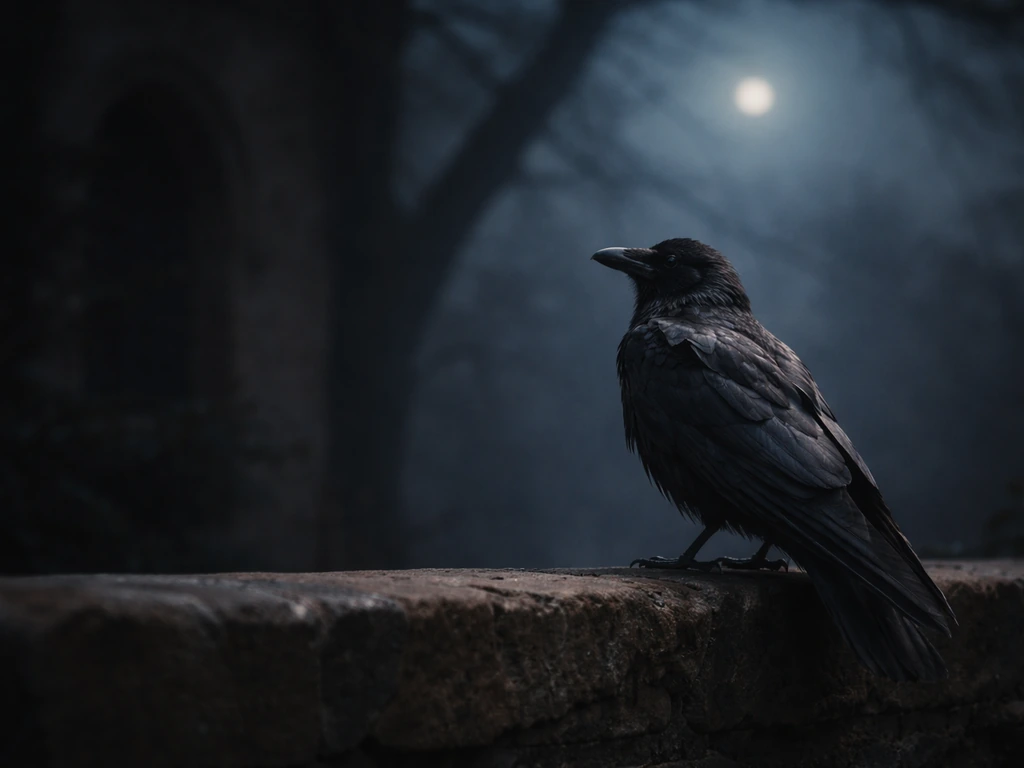
"Bird of [yore](/ancient-bird-legends/the-colossal-bird-shrine-where-there-is-little-light)" means a bird from long ago, from older or ancient times. The phrase gets its meaning almost entirely from the word "yore," which is an archaic English term for "a time long past." You'll most often encounter it in poetry or literary writing, and its single most famous appearance is in Edgar Allan Poe's "The Raven," where Poe calls the raven "that grim, ungainly, ghastly, gaunt, and ominous bird of yore." In plain English: a bird of yore is a bird associated with antiquity, legend, or a former era.
Bird of Yore Meaning: Idiom Explained With Examples

Eleanor Hartwell
6 May 2026
What "yore" actually means (and where it comes from)
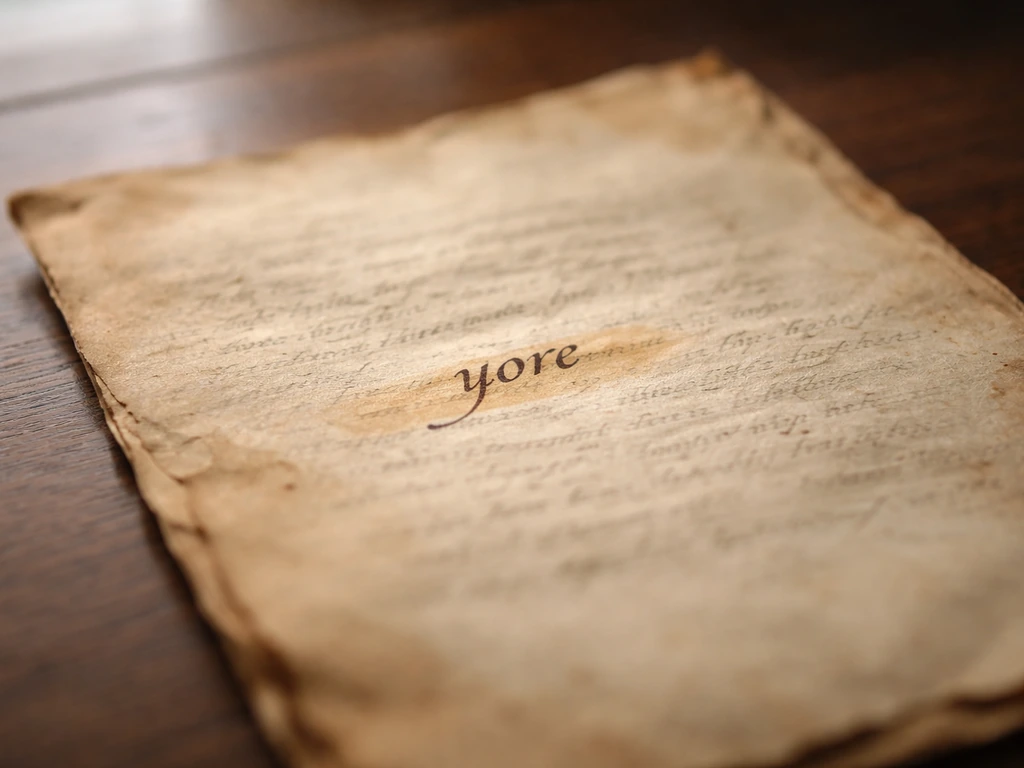
The word "yore" comes from the Old English word geara, which meant "formerly" or "long ago." It passed through Middle English and eventually settled into modern usage almost exclusively in the phrase "of yore" or "in days of yore." Dictionaries are consistent here: Cambridge defines yore as "a time long past," Merriam-Webster ties it to "in the days of yore," and Collins notes it now only survives in that fixed phrase. The word carries a distinctly nostalgic, even sentimental tone. Dictionary.com points out that when someone uses "yore," there's often an implicit suggestion that the earlier time was somehow grander or more meaningful than the present.
So when you attach "of yore" to any noun, you're marking that thing as belonging to a distant, often romanticized past. A knight of yore is a knight from olden times. A legend of yore is an old legend. And a bird of yore is a bird from that same distant, storied past, whether that bird is literal or symbolic.
What the phrase implies about the past
"Bird of yore" doesn't just mean "an old bird." The nuance matters. Because "yore" carries that nostalgic, almost reverent weight, the phrase implies the bird belongs to a time of legend, myth, or cultural memory rather than just yesterday. Scholarly analysis of Poe's poem notes that the phrase carries "a hint of legend and antiquity," and that's exactly right. When you call something a "bird of yore," you're reaching for a poetic, archaic register. You're signaling that this isn't an ordinary bird from Tuesday's backyard, but a creature tied to older stories, older meanings, or older fears.
In Poe's case, the raven becomes a bird of yore precisely because it feels like something out of classical mythology or ancient omen traditions rather than a bird that simply flew through a window. The "yore" does double duty: it makes the raven feel ancient and ominous, and it connects the speaker's grief to something timeless rather than personal. That emotional layering is what "yore" language is for.
How to tell if it's an idiom or a literal/symbolic bird reference
This is where a lot of readers get tripped up, so it's worth being direct about the distinction. In "bird of yore," the word "bird" is usually literal in the sense that it refers to an actual bird character or image in the text. The poetic or symbolic work is being done by "of yore," not by "bird." In Poe's "The Raven," the bird is explicitly a raven. The phrase "bird of yore" doesn't replace or symbolize the raven; it describes the raven as belonging to an ancient, ominous tradition.
Here's a simple test for any passage you're reading. Ask yourself three things and see where they point:
- Is a specific bird species named nearby? If yes, "bird of yore" is describing that bird as ancient or legendary, not standing in as a metaphor for something else.
- Is the surrounding language poetic, archaic, or mythological in tone? If yes, "of yore" is doing atmospheric work, giving the bird an old-world flavor.
- Is the context about time, nostalgia, or antiquity more broadly? If yes, "bird of yore" is functioning as a time-marker phrase, like "beast of old" or "knight of bygone days."
The phrase is not a standalone idiom with a fixed figurative meaning the way "raining cats and dogs" is. It's a compositional phrase: "bird" plus "of yore." The bird part stays relatively grounded, and the "of yore" part supplies the antiquity and atmosphere. The only exception would be if someone uses "bird of yore" as a shorthand reference to Poe's raven specifically, in which case the literary allusion is doing the work.
Common examples and phrasings you can use
The phrase appears most naturally in literary, poetic, or ceremonial writing. Here are a few ways it shows up in practice, along with alternatives you can use if you want the same effect with clearer modern language:
| Phrase | Plain English equivalent | Tone |
|---|---|---|
| bird of yore | bird from ancient/former times | Archaic, poetic, literary |
| ominous bird of yore | ancient bird of ill omen | Gothic, mythological |
| in days of yore | in times long past / in olden days | Nostalgic, formal |
| creature of yore | creature from a bygone era | Archaic, narrative |
| bird of antiquity | bird associated with ancient tradition | Formal, scholarly |
| bird of legend | a bird tied to myth or folklore | Accessible, evocative |
| bird of bygone days | a bird from an earlier, romanticized time | Nostalgic, readable |
If you're writing and want to evoke the same feeling without sounding like you're directly quoting Poe, "bird of legend," "ancient bird," or "bird of old" all carry the same connotation without the archaic register. If you want the archaic register on purpose, "bird of yore" is exactly right. The good lord bird is a novel by James McBride that uses the past as a kind of storytelling backdrop, much like older phrases do bird of yore.
Why birds specifically carry this kind of ancient weight
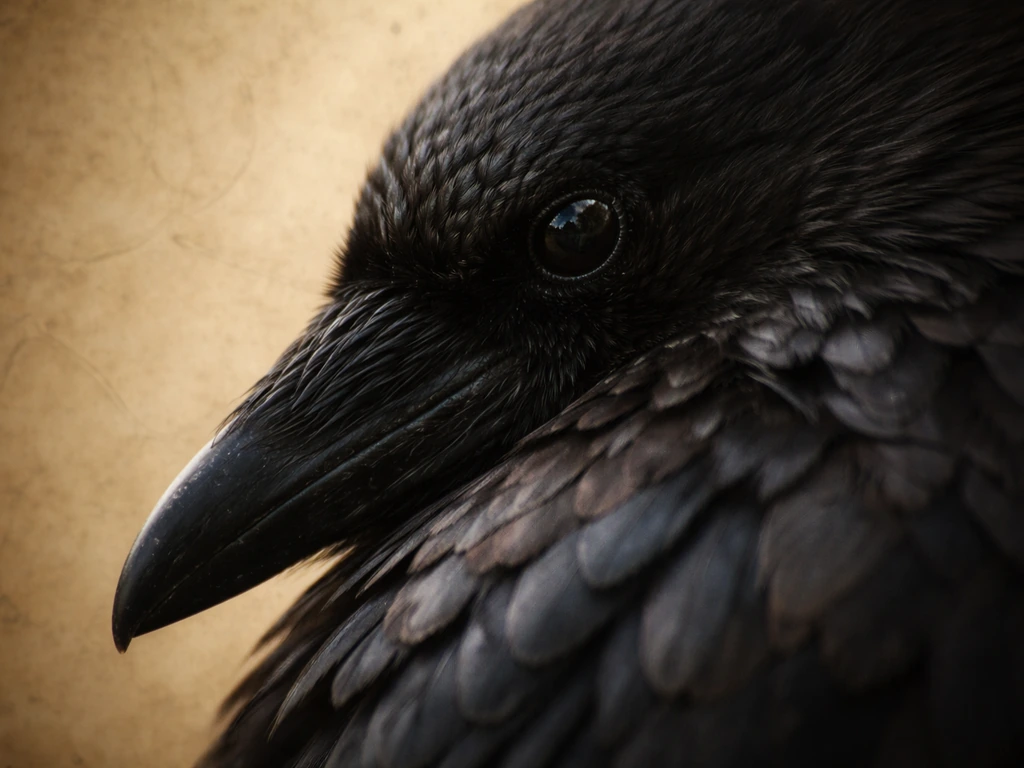
It's worth stepping back and asking why the phrase works so well. Why does "bird of yore" land differently than, say, "dog of yore" or "tree of yore"? The answer is that birds have occupied a uniquely symbolic role across almost every major culture and tradition, almost always as messengers between worlds or as omens connecting the living to something beyond them.
Ravens in particular, the specific bird Poe is calling a "bird of yore," carry sinister or prophetic associations across the Bible, Norse mythology, the Quran, and Shakespeare. For example, the phrase shows up in discussions of the book or series The Good Lord Bird, including OTT India coverage and references. The giant bird in Helheim is another example of how Norse-age imagery uses birds to signal ominous, ancient meaning.
That cross-cultural weight is exactly what Poe was drawing on. The raven isn't just a black bird; it's a creature that multiple traditions have read as a herald of death, wisdom, or mystery. If you're wondering about the similar idea of a "bird god," you can look at who is the bird god and what traditions describe it. Calling it a "bird of yore" ties it to all of those older readings at once.
This pattern holds across bird symbolism broadly. The halcyon bird of Greek mythology gave us the phrase "halcyon days," another bird-based time expression. The phoenix is defined entirely by its relationship to time, cycles, and ancient fire. The ibis was sacred to Thoth in Egyptian tradition as the god of writing and time. Birds and time are genuinely intertwined in human symbolic thinking, which is part of why "bird of yore" doesn't feel strange or forced. It draws on a deep well.
Birds as messengers across traditions
In Norse mythology, Odin's two ravens Huginn and Muninn (Thought and Memory) flew across the world and reported back to him, making them literal carriers of knowledge from distant places and times. In Celtic tradition, ravens and crows were associated with the otherworld and with prophecy. In Native American traditions, the raven often appears as a trickster figure with the power to shape the world. In biblical imagery, the dove carries the olive branch as a message of peace and new beginning. Across all of these, birds function as creatures that travel between realms, between past and present, between human experience and something older or greater.
That's the symbolic backdrop against which "bird of yore" makes sense even when you're reading it in a purely literary context. The phrase pulls on that long cultural association between birds and timelessness, even if the writer isn't consciously invoking any specific tradition.
How to quickly confirm what the phrase means in any specific passage
If you encounter "bird of yore" in something you're reading and you're not sure exactly what register it's working in, here's a reliable approach. First, identify the bird. Is it named? Is it described? A named bird with specific traits (like Poe's raven) means the phrase is descriptive, not metaphorical. Second, check the surrounding language for temporal cues. Words like "ancient," "legend," "saintly," "ominous," or "olden" near the phrase confirm you're in poetic time-marking territory. Third, look for contrast. Poe's poem deliberately contrasts the ancient, legendary quality of the raven with the narrator's very immediate, present grief. That contrast is a hallmark of the "of yore" construction at its most effective.
If the passage doesn't name a bird and uses "bird of yore" more loosely, it's likely functioning as a general reference to ancient bird symbolism or mythology, the kind of imagery you'd encounter in discussions of mythological creatures like the roc, the simurgh, or the phoenix. In those cases, the phrase is shorthand for "a bird from the realm of legend and ancient tradition," which is close enough to the same meaning that context will usually make clear which way to read it.
The bottom line is that "bird of yore" is not a mysterious or ambiguous phrase once you understand what "yore" contributes. It means a bird from long ago, from an older and often legendary time.
Which divine beast is the bird often points to the avian divine beast in Japanese myth, so check the specific game or story context for the exact answer. This kind of legendary imagery is also used for places and myths where massive bird shrines are described as being encased in rock colossal bird shrine where rock encases. If you meant the famous literary bird, that's typically Poe's raven, described with the phrase "bird of yore.
" what is the bird in helheim. Whether the "bird" in question is Poe's raven, a mythological creature like a phoenix or giant bird from ancient lore, or a symbolic figure tied to ancestral memory, the phrase is doing the same work: anchoring something in the deep past and giving it the weight that comes with age.
FAQ
Does “bird of yore” always mean a literal bird?
Mostly, yes. “Bird of yore” is a descriptive phrase built from “bird” plus “of yore,” so the sentence usually still refers to an actual bird (or a clearly identified mythic bird) and uses “of yore” to flavor it as ancient or legendary.
Is the meaning just “old,” or does “yore” add extra emotion?
It usually signals a romanticized past rather than a neutral old-fashioned one. If the author wanted sheer age, they might say “old” or “ancient,” but “of yore” adds a literary, nostalgic, sometimes reverent tone.
Is “bird of yore” like an idiom with one universal figurative meaning?
Don’t treat it like a fixed idiom with a single punchline meaning. Unlike set phrases such as “raining cats and dogs,” “bird of yore” depends on the surrounding nouns and context, especially whether the bird is named (like Poe’s raven) or left general.
Can “bird of yore” be used as shorthand for Poe’s raven?
Yes, but only in a narrow, allusive way. In some reviews or discussions, people may use “bird of yore” as shorthand for “the raven from The Raven,” but in the original line it functions descriptively for that specific raven.
When should I use “bird of yore,” and when should I avoid it?
Prefer it for formal, poetic, or myth-styled writing. In casual speech it can sound overly archaic or performative, so a clearer alternative is “ancient bird,” “legendary bird,” or “bird from long ago,” depending on whether you want the exact old tone or just the idea.
How do I tell whether the phrase is doing symbolism or just describing age?
Usually the effect comes from the “of yore” timeframe, not from “bird.” If the passage already says “raven,” “crow,” or “phoenix,” your best interpretive move is to read “of yore” as the time-and-legend marker, not as a replacement for the bird itself.
What’s the quickest way to decide how to interpret it when the bird is not named?
If the text names the bird, read it as identification plus atmosphere. If the text does not name a specific bird and instead emphasizes themes like prophecy, myth, or otherworldly travel, it’s more likely a general reference to legendary bird symbolism.
Would “bird of yore” sound natural in spoken English?
Yes. Since “yore” is archaic, it is typically used in written English. In speech, you would sound more natural with “from long ago” or “in days of old,” unless you are intentionally quoting or mimicking a poetic voice.
Next Article
What Is the Giant Bird in Helheim in God of War?
Explains the giant bird in Helheim in God of War, what it is, why it appears, and its symbolism.