
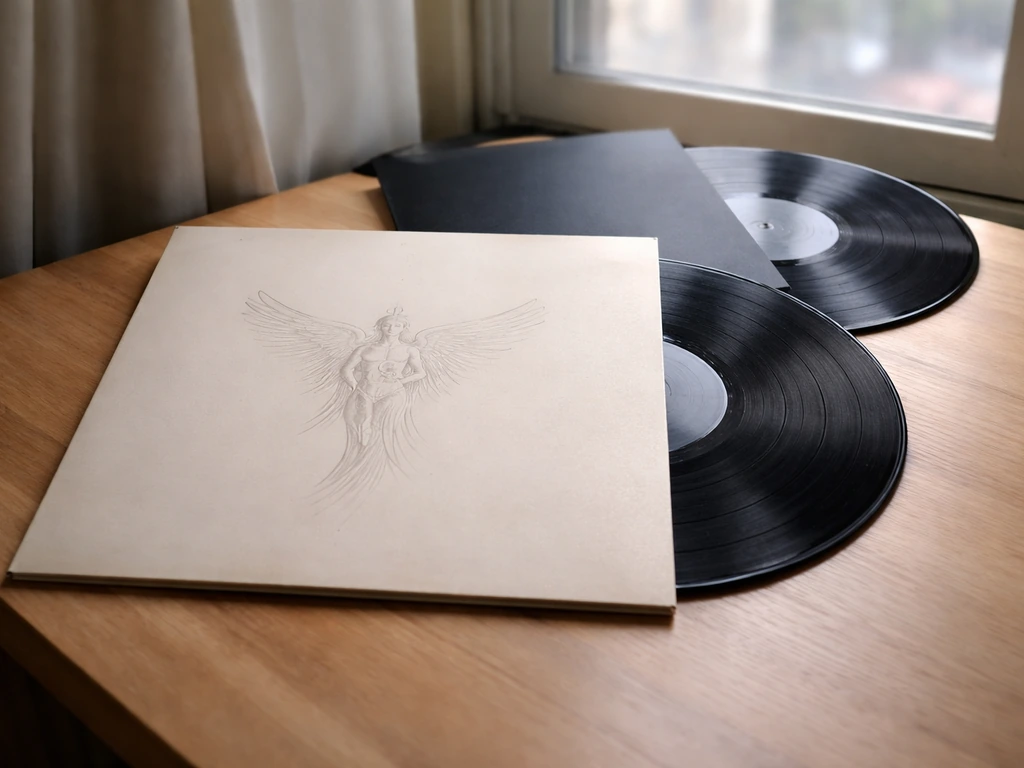
The phrase 'the pious bird of good omen' almost certainly points you to one specific vinyl release: the 1969 Fleetwood Mac compilation album of the same name, originally released on the UK Blue Horizon label. If you're searching for that record, the most useful catalog number for the modern reissue is 19802956041 (a 2025 Sony/CMG limited edition), and Music On Vinyl also issued a well-regarded 180-gram pressing (UPC 8718469530823, released July 2012). But the phrase itself carries real symbolic weight that predates the album, and understanding that backstory helps you spot the right listing when search results get muddy.
The Pious Bird of Good Omen Vinyl: Meaning and How to Find It

Eleanor Hartwell
30 Apr 2026
What 'pious bird of good omen' actually means
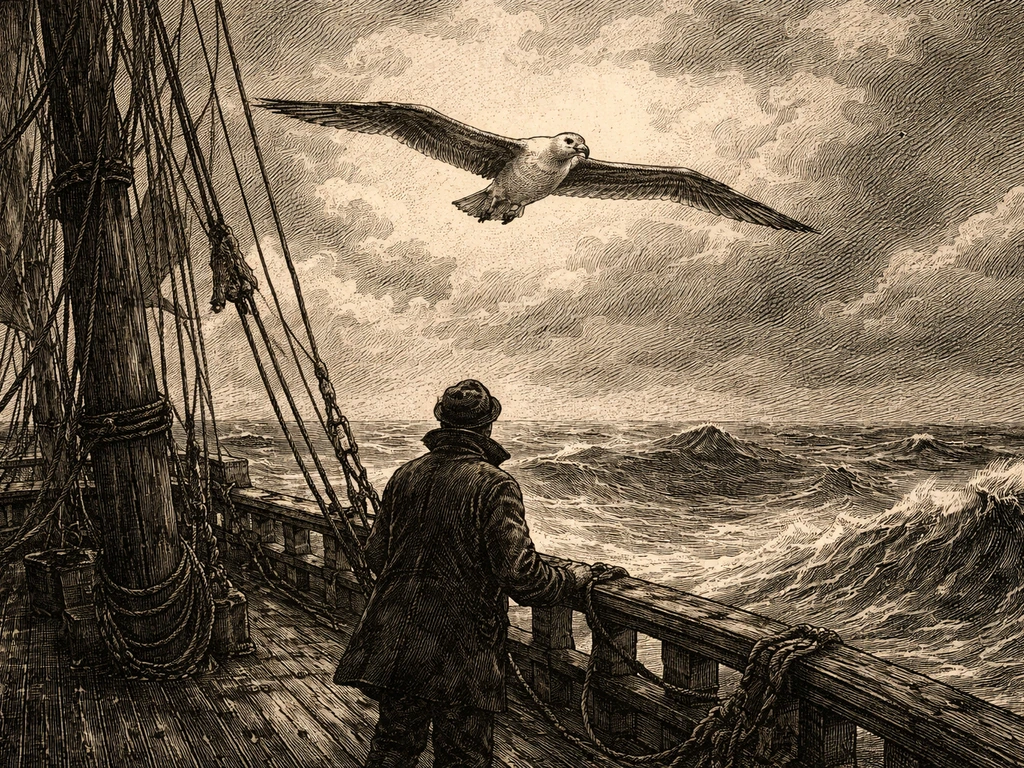
The line comes directly from Samuel Taylor Coleridge's 'The blank" rel="noopener noreferrer">[Rime of the Ancient Mariner](/birds-of-omen/bird-of-good-omen-rime-of-the-ancient-mariner),' first published in 1798. In the poem, a sailor shoots an albatross that had been following the ship through Antarctic ice, and the crew condemns him with the phrase 'inhospitably killeth the pious bird of good omen. In the poem, a bird of ill omen meaning is often contrasted with the pious bird, since killing the sacred creature is what sparks the spiritual consequences. ' The albatross is pious in the sense of being sacred, divinely sanctioned, a creature that sailors read as a spiritual sign of safe passage. Killing it is not just bad luck, it is an act of moral violation.
The albatross earns this status partly through its behavior. It ranges enormous distances across open ocean, appears out of fog and storm, and seems almost supernaturally calm in conditions that terrify humans. For mariners, that kind of creature becomes a symbol: evidence that something watchful and protective moves through the world. One store devoted to bird-symbolism art explicitly describes the title as named in honor of the 'mythic albatross that leads its ship to safety,' which is a clean summary of what Coleridge intended.
Bird omen traditions across cultures
Coleridge was drawing on a much older and wider current of thought. Across cultures, birds have served as intermediaries between the human world and whatever lies beyond it, and distinguishing 'pious' or fortunate birds from ill-omened ones is one of the oldest forms of spiritual interpretation.
- Biblical and ancient Near Eastern traditions treat the dove as a primary bird of divine favor, most famously when a dove returns to Noah's ark with an olive branch as a sign that land and renewal are near. The rooster in Christian tradition carries a more complex omen role, marking both betrayal and the return of light.
- In ancient Egypt, the ibis was sacred to Thoth, god of wisdom and writing, and its appearance was read as a favorable sign. The ba, the Egyptian concept of soul or personality, was depicted as a human-headed bird, meaning the bird form itself carried divine soul-force.
- Celtic traditions associated certain birds with prophecy. Wrens were considered royal birds, and ravens were read as messengers between worlds, neither purely good nor ill but charged with information.
- In Native American traditions, the interpretation varies widely by nation and bird species. Eagles carry sacred status in many Plains nations as messengers to the Creator, functioning as what Coleridge's albatross does for European mariners: a creature whose presence signals divine attention.
- Aztec cosmology tied specific birds to specific deities. The hummingbird was linked to Huitzilopochtli, the god of sun and war, and dead warriors were said to return as hummingbirds, giving the bird an omen of spiritual continuity rather than danger.
- In Greek and Roman augury, the formal practice of reading bird flight and behavior as divine signs was institutionalized. An eagle flying on your right was a good omen; an owl calling at night was more ambiguous depending on context.
What runs through all of these is the idea that birds, because they move between earth and sky, belong to both realms. The 'pious' quality that Coleridge assigns the albatross is not unique to his poem: it reflects a genuinely ancient human habit of reading certain birds as spiritually significant and protected by something larger than human authority.
Is this a vinyl record, a poem, or something else?
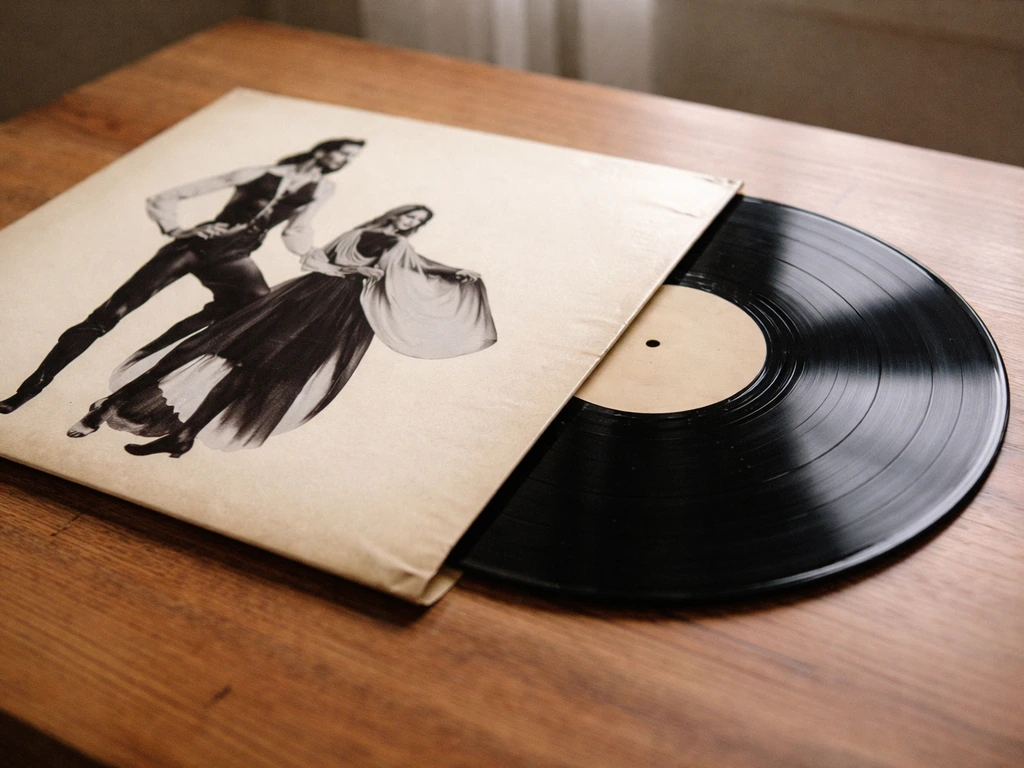
When you search 'the pious bird of good omen vinyl,' you are almost certainly looking for the Fleetwood Mac album. Wikidata lists “The Pious Bird of Good Omen” as a Fleetwood Mac compilation with a 1969 release date and the label Blue Horizon, which can help cross-check structured data. The phrase does not belong to any other major vinyl release. It is worth knowing the phrase has a second life as the name of at least one art and gift shop that sells bird-symbolism items, which can occasionally clutter search results. If you are specifically after the record, adding 'Fleetwood Mac' or 'Blue Horizon' to your search clears that up immediately.
The album itself is a compilation of Fleetwood Mac's blues-era material: singles, B-sides, and tracks from their early period, most notably including the instrumental 'Albatross. ' That song title is no coincidence. The album's title is a direct reference to Coleridge's poem, and the cover famously features imagery of a nun with an albatross, making the literary and spiritual connection explicit rather than incidental.
Wikipedia notes that a similar compilation to the US “English Rose” was released in the UK as “The Pious Bird of Good Omen” in August 1969 the UK release as “The Pious Bird of Good Omen” in August 1969. This was the UK release on Blue Horizon in August 1969; the album was never officially released in the United States, where 'English Rose' served as the closest equivalent.
How to search for the right listing
Search results for this album can be inconsistent because the title is a long, unusual phrase with an archaic word ('pious') that some databases truncate or misspell. Here is how to search precisely.
- Use the full title in quotes: "The Pious Bird of Good Omen" plus "Fleetwood Mac." This eliminates bird-symbolism stores and unrelated results.
- Search by catalog number for the 2025 reissue: 19802956041 or EAN 0198029560411. These are Sony/CMG identifiers that appear consistently across Presto Music, Head Records, and similar retailers.
- For the Music On Vinyl 180-gram pressing (2012), search by UPC 8718469530823. This is the most commonly traded 'quality reissue' version in collector markets.
- For the original 1969 pressing, search 'Blue Horizon Fleetwood Mac Pious Bird' on Discogs. The original UK Blue Horizon catalog number is the most reliable anchor for original-press listings.
- Try alternate search terms if the exact title fails: 'Pious Bird Fleetwood Mac vinyl,' 'Fleetwood Mac Blues compilation 1969 vinyl,' or 'Fleetwood Mac Albatross compilation LP.' All of these will surface the same album.
- On Discogs specifically, filter by Format: Vinyl, Country: UK, and Year: 1969 to narrow to original pressings, or filter by the Music On Vinyl or Sony release years for reissues.
How to confirm you've found the right record
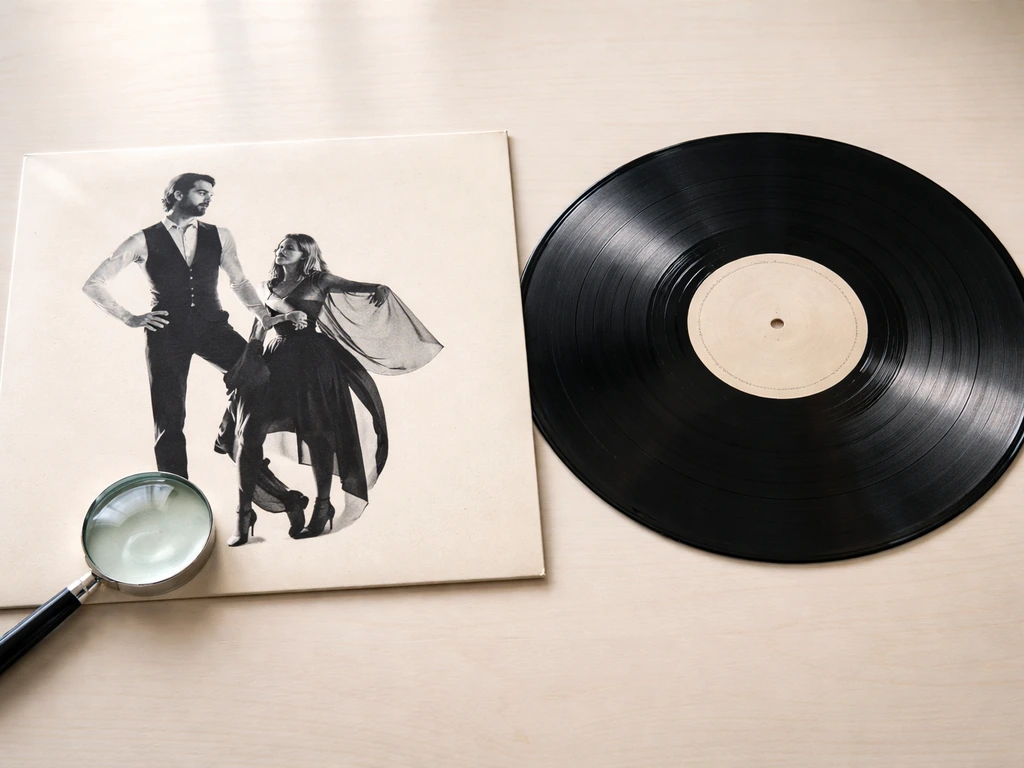
Once you have a listing in front of you, verify it before buying. These are the things to check.
| What to check | What you're looking for | Why it matters |
|---|---|---|
| Artist and title | Fleetwood Mac, The Pious Bird of Good Omen | Rules out compilations by other artists that occasionally use similar titles |
| Label | Blue Horizon (original), Music On Vinyl (2012 reissue), Sony/CMG (2025 reissue) | Confirms the release family and period |
| Year / Release date | 1969 (original), July 2012 (Music On Vinyl), 2025 (Sony/CMG) | Sets price expectations and authenticity baseline |
| Catalog / Product number | Original Blue Horizon number; 8718469530823 (MOV); 19802956041 (Sony/CMG) | The single most reliable cross-reference for the right pressing |
| Track listing | Should include 'Albatross,' 'Black Magic Woman,' 'Need Your Love So Bad,' and other early-era Fleetwood Mac tracks | Confirms it's the compilation, not a different Fleetwood Mac LP |
| Matrix/runout inscription | Etched or stamped alphanumeric code in the dead wax area inside the label | Distinguishes first pressing from later repress; check Discogs matrix listings to compare |
| Cover art | Nun with albatross imagery | The iconic cover is a quick visual confirmation; reproductions on fakes sometimes differ in color or detail |
The matrix or runout number is the most collector-relevant detail for original pressings. On vinyl, this is the code etched by hand or stamped into the quiet groove area between the last track and the label. Discogs distinguishes catalog number (what's printed on the label/sleeve) from matrix number (what's inscribed in the runout), and checking both against Discogs database entries for the same release confirms you have the pressing you think you have.
Grading condition: what to accept and what to avoid
For secondhand copies, condition grading matters a lot. The Goldmine grading system is the most widely used standard in the vinyl market. A Mint (M) record is unplayed; Very Good Plus (VG+) means minor signs of play but excellent sound; Very Good (VG) means audible surface noise but still listenable; Good or lower means significant damage. For an album like this, where you're buying it partly for the experience of the music, aim for VG+ or better. For a wall-hanging curiosity copy, VG is fine. For the cover separately, watch for seam splits, water stains, and ring wear from the record itself.
Where to buy and what to watch out for
For a record this well-documented, you have good options across the full price range.
- Discogs is the best single source for original pressings and specific reissues. Sellers list condition, photos, and matrix information; you can message sellers to ask for runout photos before buying.
- Music On Vinyl's own website and authorized retailers (including Presto Music and similar specialist shops) are the right place for the 180-gram 2012 reissue if you want a new or sealed copy.
- For the 2025 Sony/CMG limited edition, search by catalog number 19802956041 at mainstream music retailers and Amazon.
- eBay can be useful but requires more caution. Look for sellers with substantial feedback, photos of actual record and sleeve (not stock images), and listed matrix numbers. Avoid listings with no photos or vague condition descriptions.
- Record fairs and local shops are worth checking if you want to handle the record before buying and negotiate condition in person.
- Be cautious of listings that describe the record as 'original 1969 Blue Horizon' but show a modern barcode on the cover or sleeve. Original 1969 UK pressings did not have barcodes. A barcode does not automatically mean a fake, but it does mean a later pressing, and the price should reflect that.
- Check return policies before buying from smaller online sellers. Many vinyl sellers on individual platforms have no-return policies on opened records.
If you still can't find it: alternatives worth considering
If every search comes up empty, overpriced, or uncertain, there are adjacent options that still deliver the same experience or intent.
For the music: 'English Rose' is the US equivalent compilation from the same Fleetwood Mac blues era. It overlaps significantly in track listing, and original pressings are often more available in North America. You won't get the albatross cover art or the Coleridge title, but you get the music.
For the spiritual and symbolic dimension: if what drew you to 'the pious bird of good omen' was the bird symbolism itself rather than the specific record, the albatross connection runs deep in literary and cultural history. Coleridge's 'Rime of the Ancient Mariner' is the primary text, and any annotated edition grounds you in the same omen tradition the album title references. The albatross as a bird of good omen connects to a broader tradition of omen birds across cultures, from the dove in biblical tradition to the eagle in Native American ceremony, all of which belong to the same ancient human practice of reading birds as signs.
For a vinyl collector who wants the thematic experience: other bird-symbolism-themed records from the same era, or reissues of albums with meaningful ornithological cover art, can satisfy the same impulse. But honestly, with a 2025 reissue actively in print and a 2012 Music On Vinyl pressing still circulating in the secondhand market, 'The Pious Bird of Good Omen' is not a hard record to find right now.
A wonderful bird is the peacock limerick, and that kind of memorable phrase is part of why this album title sticks with listeners The Pious Bird of Good Omen. Start with the catalog number 19802956041 for new stock, or search Discogs with 'Fleetwood Mac Pious Bird' for the full range of pressings. You will likely have options within a few minutes.
If you are specifically looking for the Fleetwood Mac release titled "The Pious Bird of Good Omen," the catalog details mentioned earlier will help you match the right pressing Fleetwood Mac the pious bird of good omen.
FAQ
How can I tell if a seller listing is truncating or misspelling “the pious bird of good omen” vinyl?
Treat the title as unreliable, then verify using a combination of the UK Blue Horizon label, the album’s cover (nun with an albatross imagery), and at least one identifier (catalog number or matrix/runout). If the title looks shortened, search within the listing photos for “Blue Horizon” and the track “Albatross.”
If Discogs shows multiple releases, what should I use as the deciding identifier, catalog number or matrix/runout?
For matching the exact pressing you want, matrix or runout is the tiebreaker, because it reflects the physical cut of the record. Use the printed catalog number to narrow to the release first, then confirm the matrix/runout matches the same Discogs variant entry
Are the 2025 Sony/CMG limited edition and the 2012 Music On Vinyl pressing likely to sound different?
Yes, even when the tracklist is the same. Different masterings and pressing plants often change frequency balance and surface noise characteristics, so if you care about sound quality, prioritize a listing that specifies mastering/source details or reviews specific to that pressing, not just the reissue label name
What condition should I target if I want the best listening experience without overpaying?
Aim for VG+ on the disc as a practical minimum, and also check for non-audio issues that affect playback reliability, like visible warping, heavy sleeve scuffs that may transfer to the vinyl, and excessive spindle wear on the inner labels
How do I evaluate the cover condition separately from the record?
Ask for or examine close photos of the seams, corners, and any ring wear near the record press area. A cover can be VG while the record is only VG, but the reverse also happens, so confirm both grades because you might be paying for display even if the disc plays fine
Will “The Pious Bird of Good Omen” ever show up under a different album name in search results?
Yes. The US market equivalent is “English Rose,” and some sellers also describe the release as a Fleetwood Mac blues-era compilation rather than repeating the full Coleridge phrase. If you see “Albatross” plus early Fleetwood Mac compilation notes, it may be the right collection even if the title differs
What should I do if I receive a record that doesn’t match the matrix/runout in the listing?
Do not rely on “close enough.” Compare the matrix/runout from your photos to the exact Discogs variant for the same catalog number. If they differ, request a return or partial refund, because substitutions can come with different stampings, pressings, and sound characteristics
What are common listing photos to request to avoid buying the wrong press?
Request a clear photo of the runout (matrix area), both sides of the disc label, and the exact cover front and back. Bonus photos include the gatefold or spine text if present, and the inner sleeve, since some variants have distinctive printings or inserts
If I only care about the “albatross” theme rather than the specific album, what’s the quickest way to avoid overspending?
Use the cheapest reliable route that still gives you the music, meaning consider “English Rose” for availability. If you specifically need the title theme and cover concept, then budget for a verified “The Pious Bird of Good Omen” pressing, otherwise you can get the same core blues-era tracks with fewer complications
How can I confirm the album is the intended UK Blue Horizon release rather than a different regional compilation?
Look for Blue Horizon on the label or sleeve and confirm the presence of “Albatross.” Then cross-check the release dates and identifiers on Discogs for that specific variant, since some compilations share overlapping track lists but not the same cover concept or label ownership
Is it worth paying extra for an “original pressing” versus a high-quality reissue?
Often yes if you value original mastering and want collectible matrix-specific details, but it is not always necessary for audio enjoyment. If your main goal is listening, a reputable modern pressing in VG+ or better condition can be a better value, especially when you verify the exact pressing variant before purchase
Next Articles

Fleetwood Mac The Pious Bird of Good Omen: What It Is
Clarifies if Fleetwood Mac The Pious Bird of Good Omen is real, and decodes its bird symbolism and meaning across faiths

Pious Bird of Good Omen: Meaning and How to Interpret It
Interpret a pious bird of good omen: symbolic meaning, signs like feathers and flight, and practical steps to respond wi

What Bird Is a Sign From Heaven? Meaning and How to Interpret
Which bird is often seen as a sign from heaven, plus a step-by-step way to interpret your specific encounter.