
When people search 'hamsa bird meaning,' they are almost always looking at one of two very different things: either the Hand of Hamsa, a palm-shaped protective amulet rooted in Jewish, Islamic, and broader Middle Eastern tradition, or the hamsa bird itself, a sacred aquatic bird from South Asian and Hindu/Buddhist symbolism most closely identified as a swan or goose. These two meanings share a word but almost nothing else. Once you know which one you are actually dealing with, the symbolism becomes much clearer and far more useful.
Hamsa Bird Meaning: What It Likely Refers To and How to Use It

Eleanor Hartwell
5 May 2026
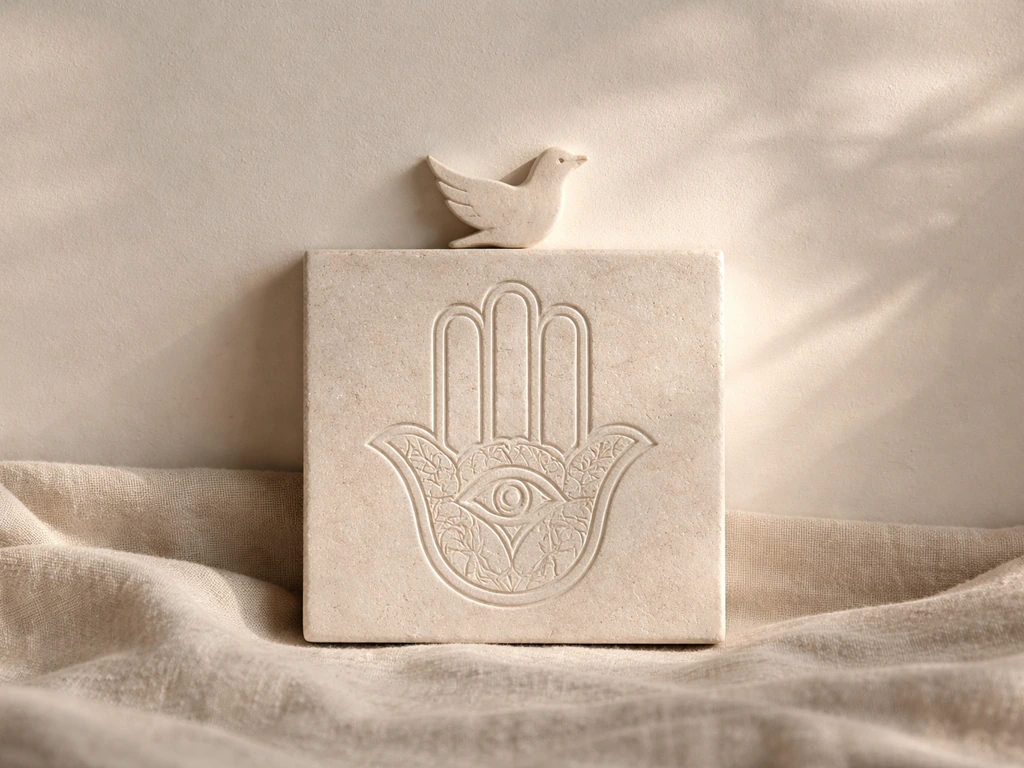
What the 'Hamsa Bird' Phrase Actually Refers To (and Why the Confusion Is So Common)
The word 'hamsa' is genuinely doing double duty across two entirely different cultural and linguistic traditions. In Arabic, 'hamsa' (also spelled 'khamsa') means five, referencing the five fingers of an open hand. That is the hamsa most people in Western countries have encountered on jewelry, wall hangings, or tattoos. In Sanskrit, however, 'hamsa' is the name for an aquatic bird, most often translated as swan, goose, or sometimes flamingo depending on the regional tradition and the scholar doing the translating. Monier-Williams' classical Sanskrit dictionary lists goose, gander, swan, and flamingo as possible meanings, and ornithologists who study the iconography tend to land on the bar-headed goose or swan as the most accurate match.
The confusion compounds online because people searching for bird symbolism sometimes land on hamsa content meant for the amulet, and vice versa. Some artworks also blend the two ideas: a hamsa hand amulet decorated with bird motifs, or South Asian temple art featuring a stylized hamsa bird alongside protective eye imagery. If you are not sure which version you encountered, the fastest way to tell is context: Is the image shaped like an open hand? You are looking at the amulet. Is it a bird, usually depicted as a graceful waterbird in Sanskrit manuscript art, Nepalese painting, or Tibetan Buddhist iconography? That is the hamsa bird.
Hamsa in Spiritual Symbolism: The Hand vs. the Bird
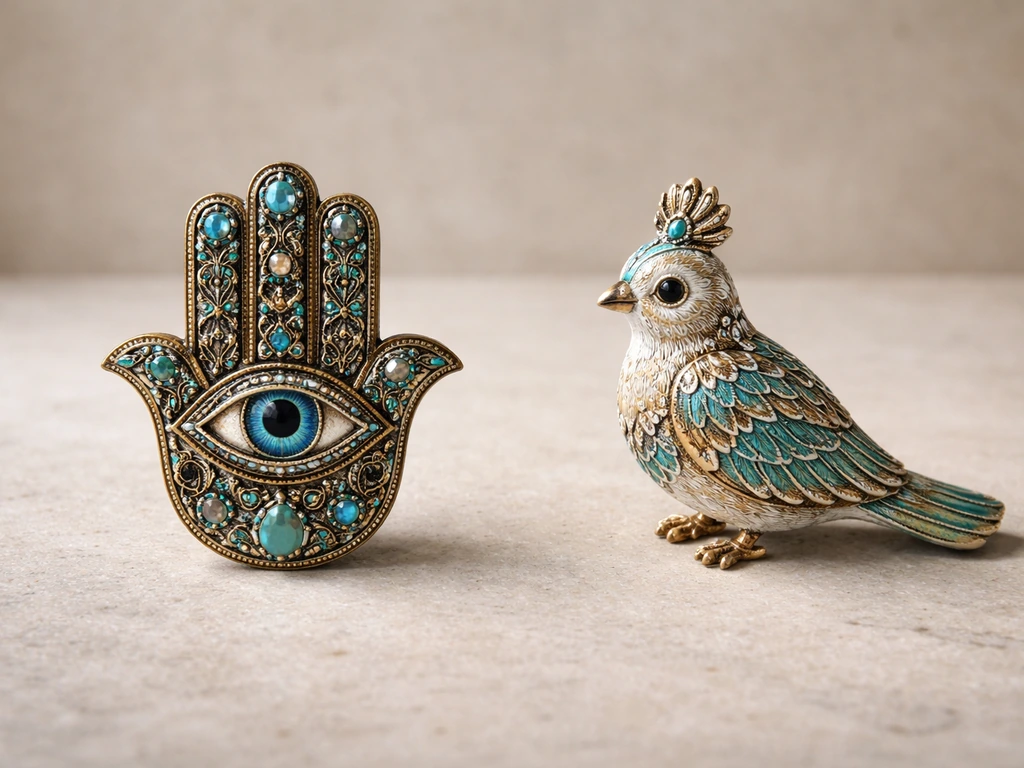
The Hand of Hamsa is one of the older protective symbols still in active use across multiple living traditions. The British Museum's collection traces hand-shaped amulets used against the 'evil eye' or 'eye of envy' across North Africa and the Middle East, where they are known as khamsa or 'Hand of Fatima.
The British Museum describes such palm-shaped Hand of Fatima (khamsa) amuletic pendants as carrying the meaning “five” and notes that examples may have been used by Muslims or Jews to ward off the “eye of envy. ” hand-shaped amulets used against the 'evil eye' or 'eye of envy'.
' The core meaning is apotropaic: the symbol wards off harm. Specifically, it protects against the evil eye (ayin ha-ra in Hebrew, al-'ayn in Arabic), a concept in which envy or malicious attention from others causes real misfortune. The design typically shows a stylized open hand, often symmetrical with two thumbs, and frequently includes an eye at the center of the palm.
Reform Judaism has described it as historically used by both Jews and Muslims in Arab countries as a shared folk protective device, derived straightforwardly from the Arabic word for five.
The hamsa bird's symbolism moves in a completely different direction. In Hindu and Buddhist traditions, the hamsa (swan or goose) represents spiritual discernment, purity, and the soul's capacity to transcend the ordinary. The Siddha Yoga tradition teaches the hamsa as a symbol of the swan, connecting it explicitly to breath and spiritual awakening. In classical Sanskrit literature, the hamsa bird is associated with the ability to [separate milk from water](https://en.
wikipedia. org/wiki/Hamsa_%28bird%29), a metaphor for the soul's power to distinguish truth from illusion. Tibetan Buddhist iconography, as documented in the Encyclopedia of Tibetan Symbols and Motifs, groups hamsa with the goose and swan as a single category of sacred waterbird, prized for grace and clarity. So while the hand hamsa is fundamentally about protection from external harm, the bird hamsa is about inner clarity and spiritual elevation.
Which Bird Is the Hamsa? Likely Candidates and How to Tell
If the 'hamsa bird' you encountered is specifically the South Asian sacred bird, the most likely candidate is a swan (particularly the whooper or mute swan) or a bar-headed goose. Nepalese and Tibetan artwork typically depicts the hamsa as a goose-like bird with graceful plumage, sometimes stylized to the point of being almost mythic. In Hindu iconography, it is associated with Brahma and Saraswati, both deities connected to creation, knowledge, and the arts. In some regional traditions, especially in areas near flamingo habitats, the flamingo appears as the hamsa instead.
Here is a practical way to identify which bird is meant in whatever context you encountered the term:
- Look at the artwork's geographic origin. Indian, Nepalese, or Tibetan art featuring a waterbird labeled hamsa almost always means the sacred swan or goose tradition.
- Check the artistic style. A highly stylized, elegant long-necked bird in a devotional or manuscript context points to the Sanskrit hamsa. A realistic bird illustration in a field guide is more likely a regional translation issue.
- Note the color. Classical hamsa birds are typically depicted as white or golden, reinforcing purity and divine association.
- Check whether there is a deity nearby. Brahma is traditionally depicted riding a hamsa, and Saraswati is frequently shown with one at her side. If you see either of these figures, you are definitively in Sanskrit hamsa bird territory.
- If the image shows an open hand with an eye on it, or is clearly jewelry, it is the amulet, not the bird.
The bird symbolism that connects most naturally across these species, whether you land on swan, goose, or flamingo, includes themes of grace, migration (movement between worlds), purity, and spiritual sight. These qualities parallel the broader patterns you find in bird symbolism across traditions: the capacity of birds to move between earthly and spiritual realms, to carry messages, and to embody freedom from earthly limitation. Readers familiar with the symbolic depth of the ibis in ancient Egypt, or the sacred role of specific wading birds in Egyptian religion, will recognize a similar logic at work in the hamsa bird: this is a creature elevated to carry divine meaning precisely because of how it moves through the world. In ancient Egypt, the ibis was regarded as a sacred bird for its association with the divine and symbolic power sacred role of specific wading birds in Egyptian religion.
Cultural and Religious Contexts Where Hamsa Symbolism Appears
The Hand of Hamsa crosses religious and cultural lines in a way that is unusual for a symbol this old. Both Jewish and Muslim communities in North Africa and the Middle East have used it historically as a protective amulet, though they frame it differently. In the Jewish tradition, it is often called the Hand of Miriam (Miriam being Moses' sister, a figure associated with protection, water, and deliverance).
In Islamic tradition, it is called the Hand of Fatima, referencing Fatima al-Zahra, daughter of the Prophet Muhammad, and associated with virtue, protection, and faith. The Fundación de Cultura Islámica notes the cross-cultural adoption of the khamsa well beyond Muslim communities, and the British Museum's collections document its use across multiple North African and Middle Eastern societies without a single dominant religious identity.
There is a live debate within Judaism about the hamsa's religious status. Chabad notes that some Jews view the hamsa as an authentic Jewish folk tradition for warding off the evil eye, while others are more hesitant, seeing it as foreign to Jewish religious law. Reform Judaism takes a more inclusive view, treating it as a shared cultural artifact with legitimate Jewish roots. This is not a settled question, and it is worth knowing if you are engaging with the symbol in a specifically Jewish context.
For the hamsa bird, the primary contexts are Hindu, Buddhist, and Sanskrit literary traditions. For an African mask with bird imagery, the “meaning” will depend on whether the bird motif is being used for protection, status, or spiritual symbolism in that specific culture African mask with bird on head meaning.
The bird appears in the Vedic texts, in Buddhist Jataka stories (where the golden goose is a recurring figure of wisdom and generosity), and throughout South and Southeast Asian temple art. It is not strongly associated with Middle Eastern or Abrahamic religious frameworks, which is another useful cue for disambiguation. If you are reading about hamsa in a South Asian spiritual context, especially one touching on yoga, breath, or divine beings, the bird meaning is almost certainly intended.
| Feature | Hand of Hamsa (Amulet) | Hamsa Bird (Sacred Waterbird) |
|---|---|---|
| Origin | Arabic / Middle Eastern and North African | Sanskrit / South and Central Asian |
| Root word meaning | 'Five' (the five fingers) | Swan, goose, or aquatic bird |
| Core symbolism | Protection, warding off the evil eye, blessings | Purity, spiritual discernment, divine grace |
| Religious associations | Jewish (Hand of Miriam), Islamic (Hand of Fatima), general folk | Hindu (Brahma, Saraswati), Buddhist |
| Common form in art | Stylized open hand, often with an eye at center | Elegant long-necked waterbird, often white or golden |
| How it appears today | Jewelry, wall hangings, tattoos, home decor | Temple art, manuscript illustration, yogic symbolism |
How to Interpret Sightings or Encounters Involving Hamsa Bird Imagery
If you encountered the phrase or image in the wild, whether in a shop, a piece of art, a spiritual text, or a tattoo on someone's arm, the interpretation depends entirely on which hamsa you are looking at. For the amulet, the traditional read is protective: seeing or receiving a hamsa hand is associated with shielding from envy, bad luck, or harmful attention. The orientation matters in folk tradition: a hamsa pointing upward is said to signal protection and the warding away of evil, while a downward-facing hamsa is associated with flowing blessings and good fortune toward the wearer. The Aleteia notes this interpretive split around orientation, and it is a detail worth knowing if you are choosing or reading an amulet.
For the hamsa bird, a sighting or encounter in a spiritual, meditative, or artistic context is typically read as a prompt toward clarity and discernment. The classical Sanskrit association is the ability to separate truth from illusion, milk from water. In practice, this tradition suggests that the hamsa bird appears symbolically when you are being invited to look more carefully, to trust your inner knowing, and to navigate toward what is pure or true in a situation. Encountering a real swan or goose, especially during a period of decision-making, carries this interpretive weight in Hindu and Buddhist frameworks in a way that feels intuitive rather than superstitious: these are birds known for their elegance, their long migrations, and their capacity to move between water, land, and sky.
The most grounded approach to either version is to treat the encounter as an invitation to reflect rather than a directive. Both the protective hand and the discerning bird are ultimately about awareness: staying alert to harm, or staying clear in your own perception. Neither tradition asks you to take literal action based on the sighting. They ask you to notice what the symbol is pointing toward in your own life.
Using Hamsa Symbolism in Daily Life
Jewelry and Wearable Symbols
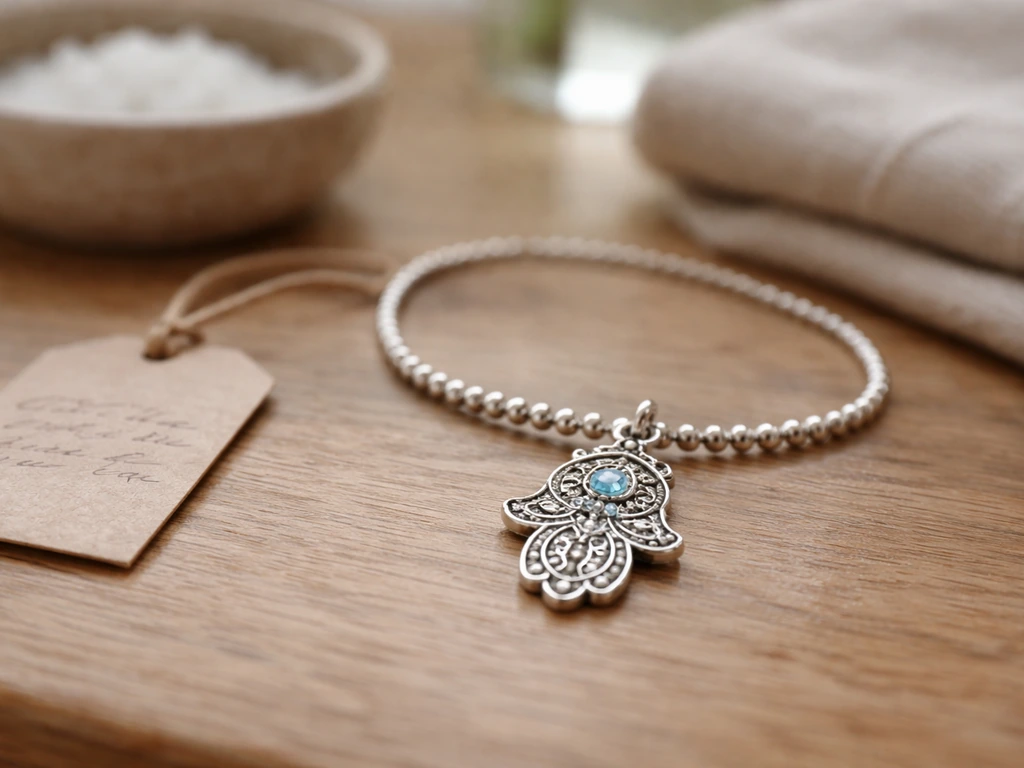
The hamsa hand is one of the most widely worn protective symbols in the world, and wearing it remains a genuinely cross-cultural practice. If you choose to wear one, it helps to know which tradition resonates with you most. If you have Jewish roots or connection, the Hand of Miriam framing is specifically yours to claim. If your connection is to Islamic tradition, the Hand of Fatima is the natural reference point.
If you are outside either tradition and drawn to the symbol for its protective meaning, approaching it with respect for its origins, acknowledging that it is a living symbol in active use by specific communities, is the most culturally honest way to wear it. For the hamsa bird specifically, swan or goose imagery in jewelry carries the South Asian meaning of purity and spiritual clarity, and is a meaningful choice for anyone drawn to yogic or Buddhist frameworks.
Tattoos and Art
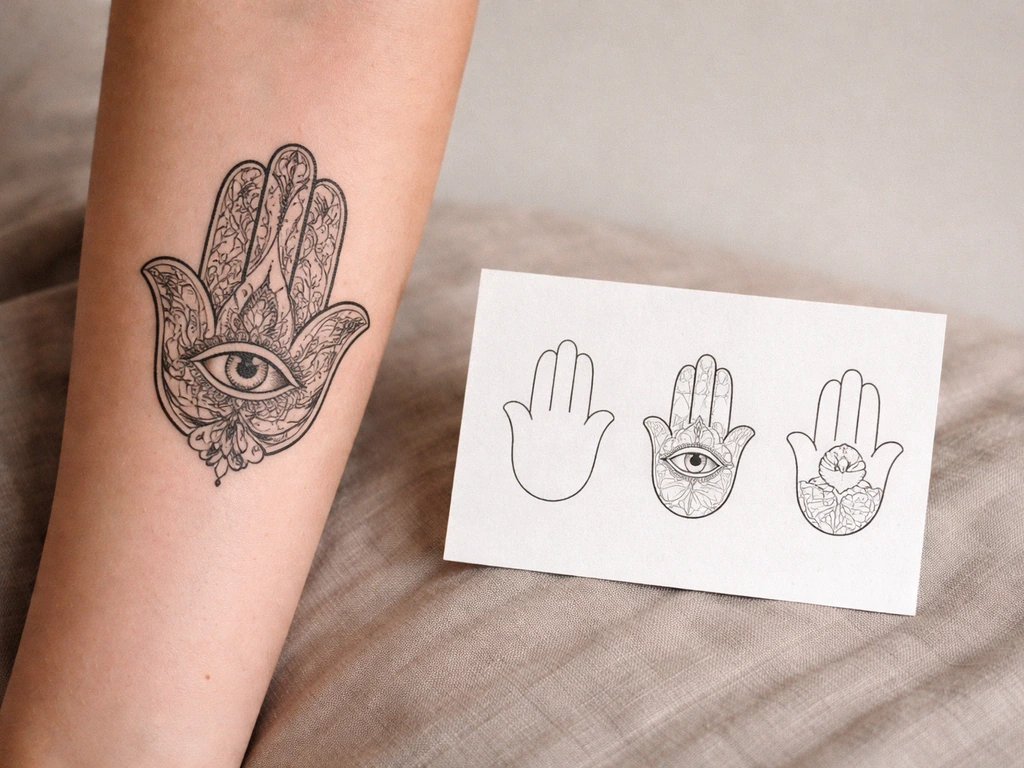
Hamsa hand tattoos are extremely common, and the same interpretive considerations apply: know which tradition you are drawing from, and be honest about why. The eye-in-hand design is visually striking, but it carries real meaning for Jewish and Muslim communities. A tattoo of the hamsa bird, rendered as a graceful swan or goose in flight, draws from a separate and equally rich tradition. In either case, pairing the image with some research into its origins, and perhaps a clear personal intention for wearing it permanently, tends to produce more satisfying and meaningful results than choosing it purely for aesthetics.
Meditation and Intention-Setting
The hamsa bird has a particularly rich application in meditation. The Sanskrit tradition connects 'hamsa' to the sound of the breath itself: 'ham' on the inhale, 'sa' on the exhale. Siddha Yoga teachings describe this as a mantra that the body speaks continuously without effort. Meditating with this awareness, simply noticing the natural rhythm of breath as a kind of sacred recitation, is a direct application of hamsa bird symbolism that requires no props or imagery at all. For the hand hamsa, placing the symbol in your meditation space, or setting an intention around protection or discernment at the start of a session, is the more common approach and has clear precedent in Jewish and Islamic devotional practice.
Reading Hamsa Imagery in Art and Mythology

When you encounter hamsa imagery in art or mythology going forward, the disambiguation skills above will serve you well. Check the geographic and cultural context of the artwork, look for whether the image is hand-shaped or bird-shaped, and note any associated deities or religious iconography. South Asian sacred bird imagery featuring a white waterbird in a devotional context almost always points to the Sanskrit hamsa tradition, with its themes of purity, grace, and spiritual discernment.
Hand-shaped amulets with an eye motif point to the protective tradition shared across Jewish and Islamic communities in the Middle East and North Africa. The two meanings occasionally appear in the same artwork, especially in pieces that blend South Asian and Middle Eastern influences, and when they do, it is worth sitting with the layered significance rather than flattening it into a single reading.
If you find yourself drawn deeper into the world of sacred birds across cultures, the Egyptian tradition offers some of the richest parallel territory: the ibis, the falcon associated with Horus, and other sacred birds in Egyptian religion all carry the same logic as the hamsa bird, creatures elevated to symbolic and divine status because of how they move, what they represent, and what they make visible about the invisible world. In Egyptian religion, many birds like the ibis and falcon were given sacred meaning, and their symbols were tied to specific deities and roles Egyptian bird hieroglyph meaning. The hamsa bird fits into a genuinely global tradition of birds as spiritual carriers, and understanding it in that broader context makes the symbolism land with more weight. Because the Egyptian falcon associated with Horus is one of the better-known “Horus” birds, people often ask about the horus bird meaning alongside the hamsa bird meaning.
FAQ
Is “hamsa bird” ever used in a Middle Eastern or Abrahamic context, or is it always South Asian?
It is much more often South Asian (Sanskrit and Hindu/Buddhist symbolism) when the image is clearly bird-shaped. If you see the hamsa tied to evil-eye protection, eye imagery in the palm, or “Hand of Fatima/Miriam,” it is usually the amulet meaning, even if bird motifs are added.
How can I tell what bird is meant when the artwork is stylized?
Look for visual cues that match common iconography: swans and geese are usually long-necked and water-associated, with elegant, symmetrical posture. Flamingo as hamsa tends to appear as a strongly pink, curved-legged silhouette. If the image is highly abstract, the safest read is “swan or goose” rather than committing to flamingo.
Does the direction of the symbol matter for the hamsa bird the way it does for the hand amulet?
Orientation is a well-known detail for the Hand of Hamsa amulet, but bird direction is less standardized. For the hamsa bird, meaning is more consistently tied to purity and discernment themes, so you should focus on the overall devotional or spiritual setting rather than assuming “up versus down” rules.
If I want to use the hamsa bird meaning for meditation, what should I actually do?
A common practical approach is to meditate on breath awareness using the “ham-sa” association (notice inhale and exhale rhythm) without needing an image. If you do use imagery, treat it as a reminder to return to breath, not as a requirement or a literal instruction.
Can the hamsa bird meaning be used as a tattoo without “borrowing” incorrectly from other traditions?
To reduce mismatch, align your tattoo with the bird’s spiritual themes rather than using it as a replacement for the amulet’s protective evil-eye symbolism. If your design includes eye-in-hand elements, that shifts you toward the amulet tradition, and it is worth being honest about which tradition you are actually referencing.
Is it okay to wear a hamsa hand or hamsa bird for “good luck,” even if I am not from that religion?
It can be acceptable, but the most culturally grounded approach is to treat it as an intention-setting symbol rather than a guaranteed charm. If you are wearing it for protection or discernment, consider learning the specific tradition’s framing (protection from harmful attention versus inner clarity) so your intention matches the symbol’s usual meaning.
What’s the most common mistake people make when searching “hamsa bird meaning”?
They assume the term points to one universal symbol, then apply evil-eye protection interpretations to a bird image, or apply yogic discernment ideas to a hand amulet. The fix is simple: identify whether the design is hand-shaped (open palm with possible eye) or bird-shaped (waterbird imagery) before interpreting.
If my hamsa image includes both a hand and a bird, how should I interpret it?
Treat it as a layered or blended artwork rather than forcing a single meaning. A useful method is to separate elements: interpret the hand as protection against harmful attention, then interpret the bird motifs as discernment or spiritual purity, and decide which layer matches your personal reason for engaging with the piece.
Next Articles
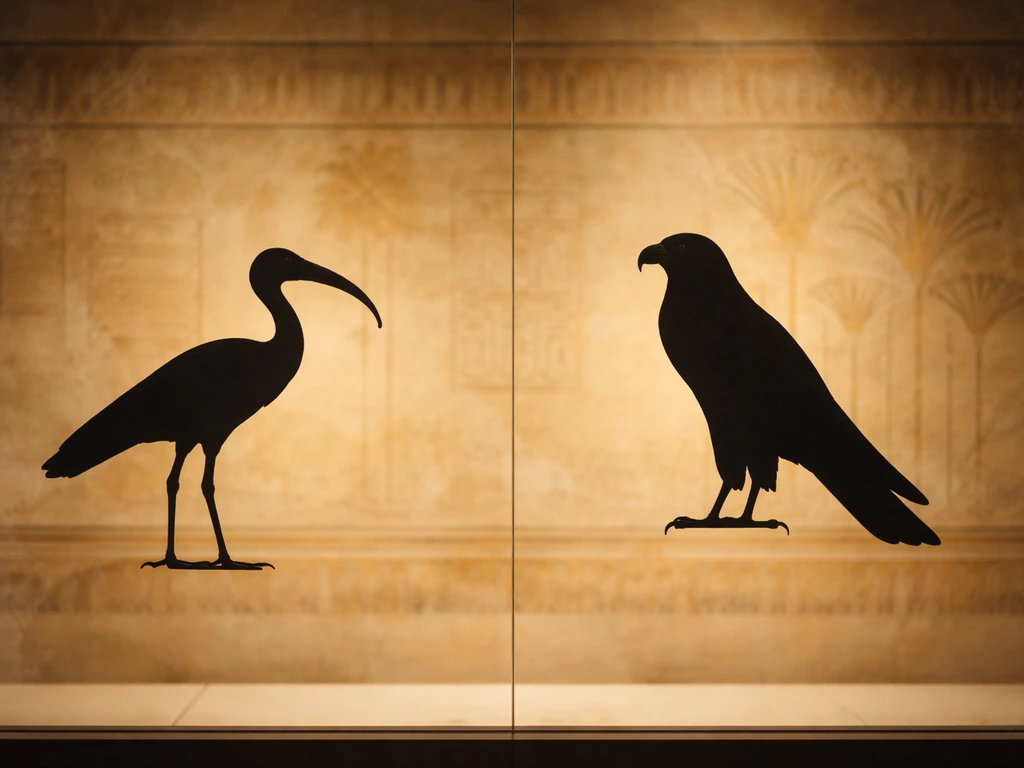
Which Bird Was Regarded Sacred in Ancient Egypt?
Ancient Egypt’s sacred birds: ibis for Thoth and falcon for Horus, with context, verification tips, and art-symbol match
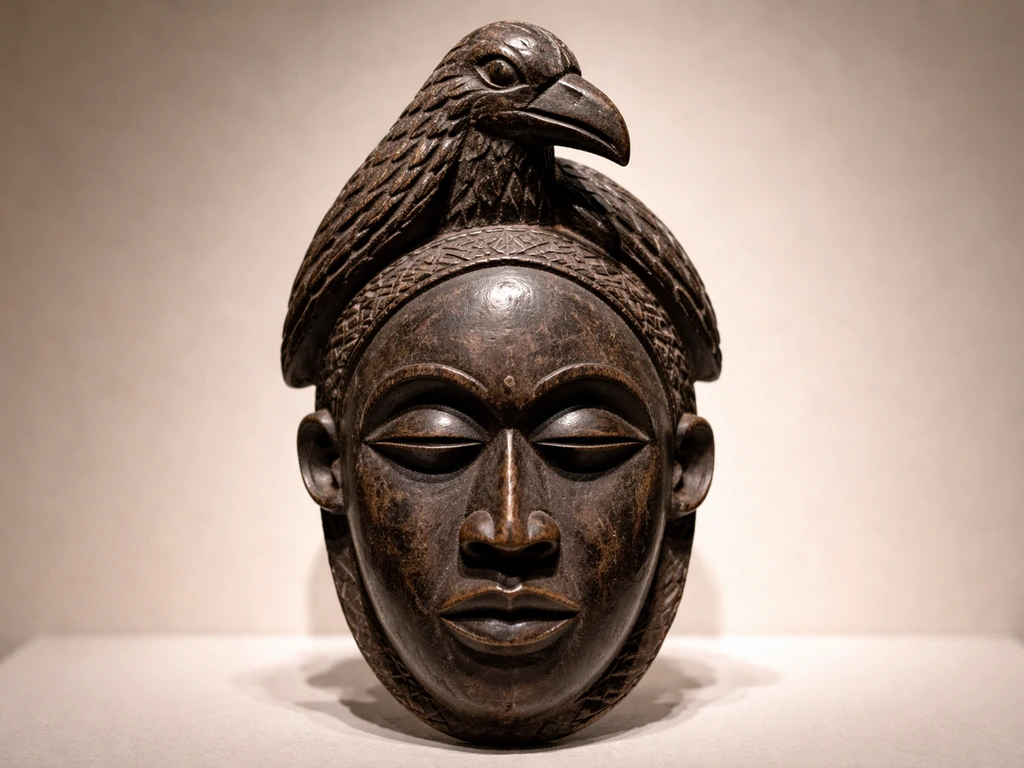
African Mask With Bird on Head Meaning: How to Identify It
Meaning of an African bird head mask: identify the bird and symbols to narrow spiritual or cultural interpretations.

What Bird Is a Sign From Heaven? Meaning and How to Interpret
Which bird is often seen as a sign from heaven, plus a step-by-step way to interpret your specific encounter.