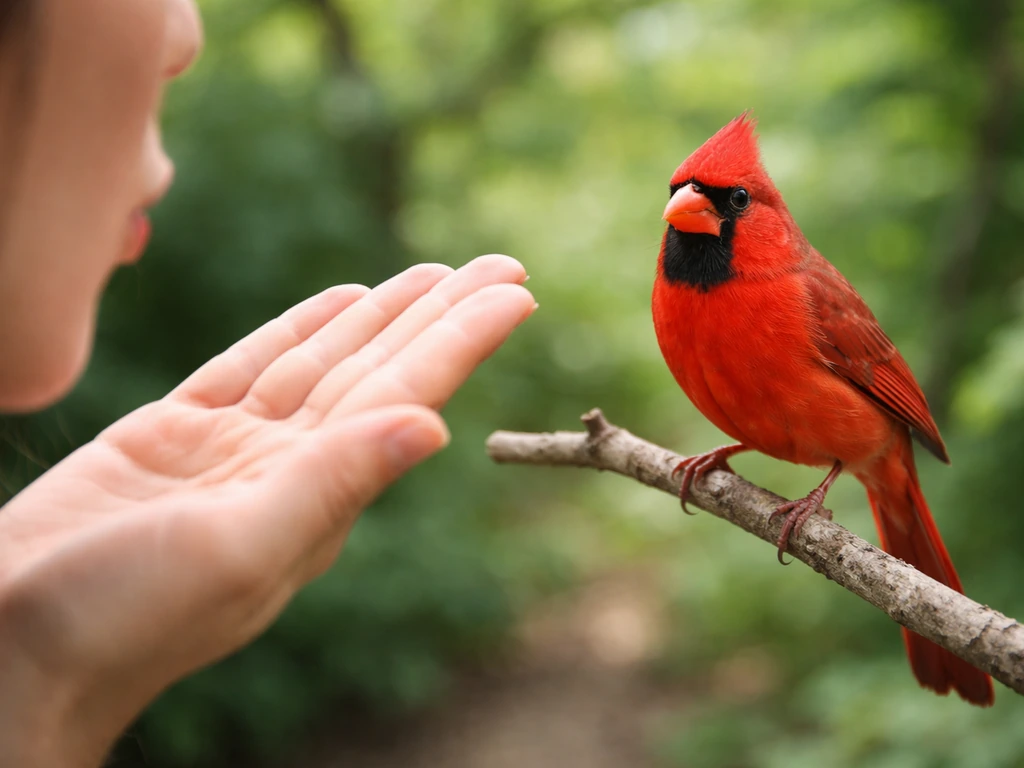
Blowing a kiss at a red bird is widely considered a positive, luck-affirming gesture in folk and spiritual tradition, especially when the bird is a cardinal. The gesture layers two things with deep symbolic weight: a red bird already associated with good fortune, vitality, and spiritual messages, and an intentional act of sending warmth or blessing outward. Most folk practices and bird-symbolism traditions would read this combination as an invitation for good luck rather than a cause for concern. That said, symbolism is interpretive, varies across cultures, and the real meaning you take from it depends a lot on how you approach the encounter.
Is Blowing a Kiss at a Red Bird Good Luck? Meaning and What To Do

Eleanor Hartwell
28 Apr 2026
Which red bird you're probably seeing, and why color matters
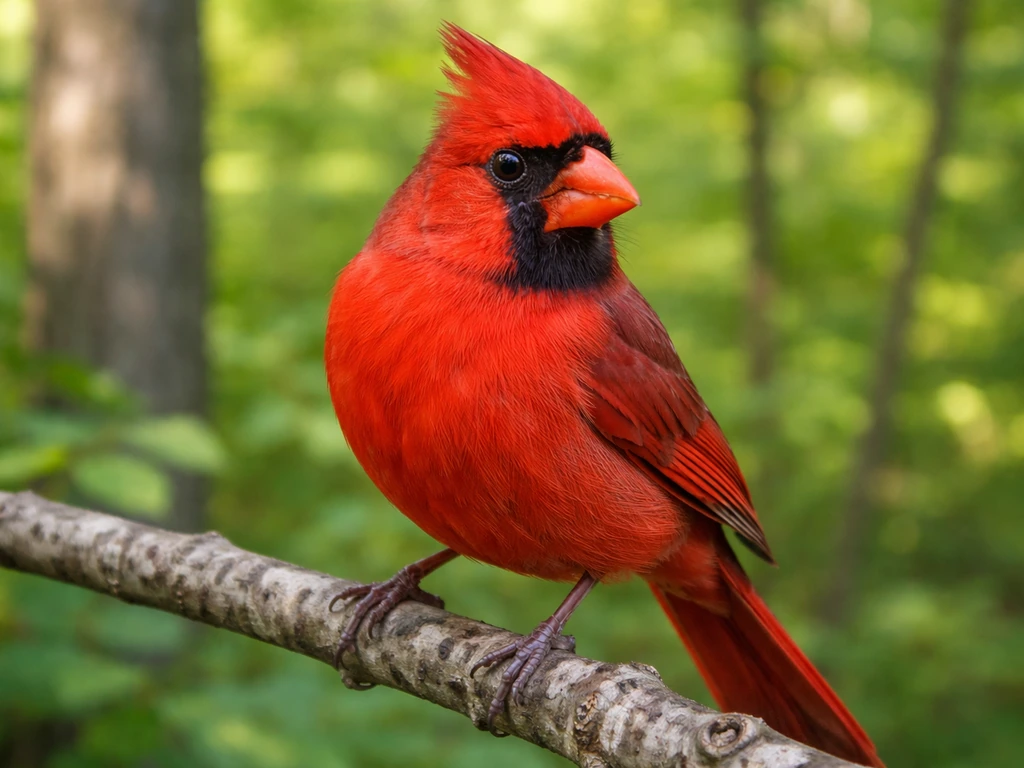
When people talk about blowing a kiss at a "red bird," they almost always mean a Northern cardinal. Virginia’s state bird atlas describes the Northern cardinal as Virginia’s state bird. The male cardinal is the most recognized red bird in North America, a vivid all-red body with a distinctive crest, and it has accumulated more folk symbolism than almost any other common backyard bird. But it's worth clarifying: not every red bird is a cardinal. House finches, purple finches, and red crossbills all carry red plumage, and outside North America, scarlet macaws, European robins, and various sunbirds could qualify. Symbolically, though, the cardinal is the one most consistently linked to luck, protection, and spiritual visitation.
Red as a color carries enormous symbolic freight across traditions. It signals vitality, life force, passion, and urgency. In many folk systems it also marks transitions or thresholds, which is partly why red birds tend to be read as messengers rather than just pleasant scenery. The cardinal specifically is described in Cherokee mythology as a "redbird" connected to the sun, carrying associations with protection and good fortune. That solar connection is significant: sun-associated creatures in most traditions carry power, and spotting one is rarely treated as neutral.
What blowing a kiss actually means as a gesture
A blown kiss isn't a single thing symbolically. Depending on cultural context, it can function as an expression of affection, a small blessing sent outward, or even a warding gesture meant to acknowledge something sacred or powerful without disturbing it. In everyday folk practice, blowing a kiss toward something beautiful or spiritually charged (a sunset, a new moon, a striking bird) tends to be read as an act of gratitude and positive intent, essentially saying "I see you, and I honor this moment." That framing matters.
In some European folk traditions, sending a kiss toward a creature or natural sign was a way of sealing or affirming a blessing, almost like accepting a gift the universe was offering. In other contexts, particularly where birds were seen as messengers (the Roman augury tradition read birds as intermediaries between humans and divine forces), acknowledging the bird with a positive gesture could be understood as respectfully receiving the omen it carried. The gesture is unlikely to be read in folk tradition as provocative or negative. Its symbolism leans clearly toward warmth, openness, and good intent.
How to read the omen after the encounter
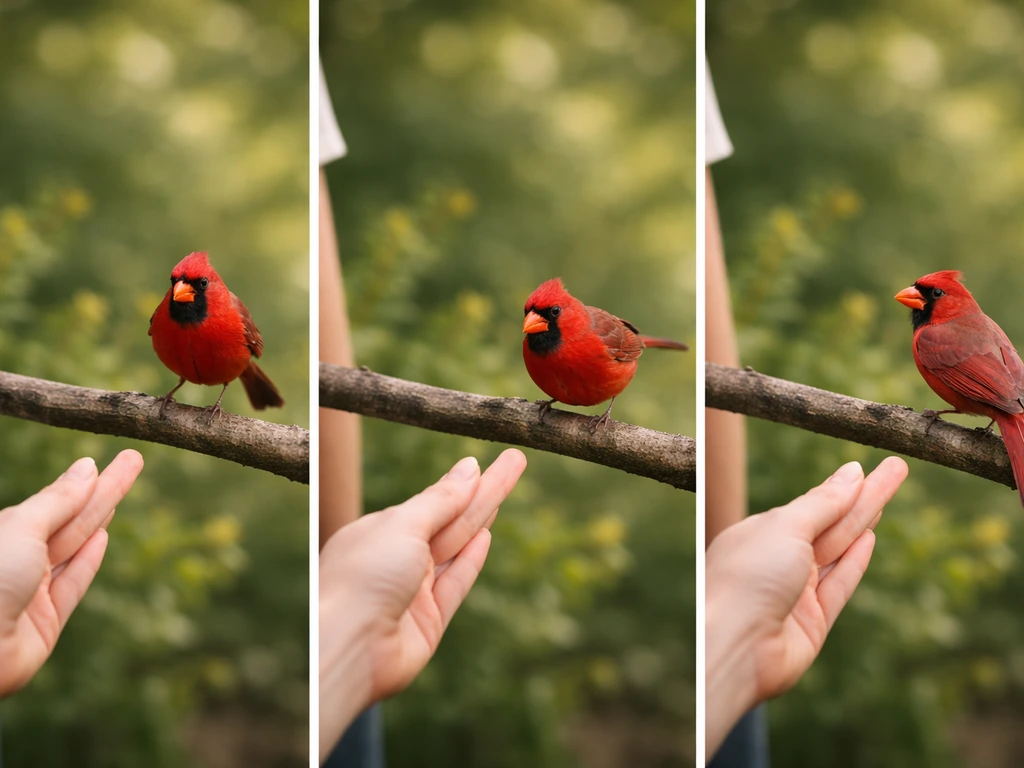
If you want to treat a red bird encounter as an omen, the bird's behavior right after you acknowledge it is worth paying attention to. Ancient ornithomancy, the practice of reading omens from birds' actions used by Greeks and Romans alike, placed enormous emphasis on what the bird did next: whether it flew toward or away from the observer, whether it called out, how long it lingered, and the direction of its flight. You don't need to be a Roman augur to use this basic framework.
- Bird lingers or turns toward you after you blow the kiss: traditionally interpreted as the message being received or confirmed, generally a positive sign
- Bird sings or calls immediately after: in folk tradition, bird song in response to human acknowledgment is often read as an affirmation or a "yes" from the natural world
- Bird flies away calmly: a neutral to positive sign, the bird is unhurried and unafraid, suggesting the encounter was harmonious
- Bird flies away rapidly or with alarm calls: this usually means you got too close and startled it, not a symbolic signal, just a wildlife-behavior cue to give more space
- Repeated sightings of the same species in the days following: many folk traditions note that a lucky sign repeated is a stronger confirmation; the 12-day window is one common frame people use
Timing also shapes interpretation. Seeing a red bird in the morning has traditionally been associated with new beginnings and opportunity, while an afternoon sighting is sometimes read as reassurance about current paths. Cherokee tradition specifically links the cardinal to news, and that news can be good or cautionary depending on context. The point is to sit with the encounter rather than rush to a fixed verdict.
Cultural and spiritual traditions that connect birds, luck, and blessings
The idea that birds carry luck or messages from beyond the everyday world is not a fringe belief. It runs through some of the oldest and most sophisticated symbolic systems in human history. blank" rel="noopener noreferrer">Roman augury, which was a state-sanctioned religious practice, involved trained priests interpreting bird flight and behavior as divine communication. Greek culture had a parallel tradition in ornithomancy. Celtic traditions treated certain birds as doorways between the human world and the otherworld, a theme also explored in the symbolism associated with Celtic birds of luck. In Celtic traditions, the idea of a Celtic thunder bird without wings meaning is often tied to hidden power and messages that come through in a “doorway” way. Celtic symbolism is also where the idea of a “celtic good luck bird” fits especially well, since certain birds are treated as lucky doorways to the otherworld Celtic traditions. Native American traditions, including Cherokee accounts of the cardinal as a sun-symbol and protector, describe specific birds as spiritually active presences rather than passive wildlife.
The Northern cardinal has one of the strongest luck-associations of any bird in North American folk tradition. It is frequently described as a sign from deceased loved ones, a messenger carrying comfort or confirmation, and a symbol of vitality and good fortune arriving soon. That reputation is why blowing a kiss at a cardinal in particular feels intuitively right to so many people. The gesture matches the energy the bird already carries in the symbolic tradition: warmth, connection, and a sense that something meaningful is being communicated.
Other red or vividly colored birds in different cultures carry similarly charged associations. The crane, celebrated across East Asian traditions as a symbol of longevity and good fortune, shows how broadly the bird-as-luck-messenger idea extends across cultures. In crane bird good luck symbolism, the crane is often seen as a positive sign tied to longevity and blessings The crane, celebrated across East Asian traditions as a symbol of longevity and good fortune. Christmas tree bird ornaments in European tradition also carry luck associations, suggesting that birds as bringers of blessing is a pattern that crosses many cultural lines. Christmas tree bird ornaments are often tied to the idea that a bird on the Christmas tree can symbolize good luck.
How to do it respectfully, for the bird and for yourself
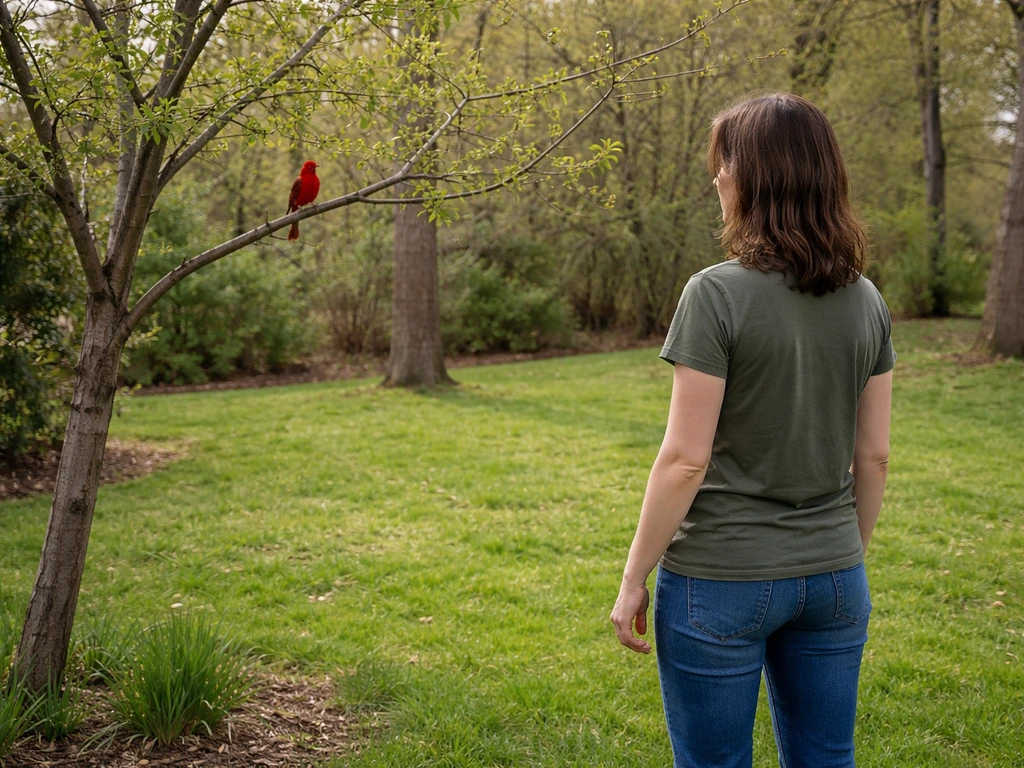
The most important practical note here is about wildlife. A blown kiss works perfectly well from a respectful distance. You do not need to approach the bird, feed it, or touch it. U.S. Fish and Wildlife guidance is clear that leaving wildlife alone is always better for the animal's wellbeing, and wildlife ethicists note that birds show obvious stress signals when humans get too close, especially near nesting areas, including louder alarm calls and exaggerated movements. If you see those signs, back away quietly. A spooked bird is not a lucky omen, it's just a stressed one.
From a ritual standpoint, the gesture is simple and costs nothing. When you spot the red bird, pause. Take a breath. Hold the moment for a second or two before reaching for your phone or making any sudden movement. Then, if it feels right, blow the kiss slowly and quietly, toward the bird but not aggressively at it. Pair the gesture with a conscious intention: gratitude for the sighting, an openness to whatever message the encounter carries, or simply a wish sent outward for good things. The specifics of what you say or think internally are less important than the sincerity of the moment. Symbolic practice tends to carry weight when it's grounded in genuine attention rather than mechanical repetition.
If you want a small spoken element, something like "thank you" or "I receive this" is enough. You don't need a formal invocation or any particular religious framework. The underlying principle across most bird-omen traditions is acknowledgment and receptivity, not elaborate ceremony.
What to do with the meaning afterward
This is where a lot of people get stuck. The encounter happened, it felt meaningful, and now there's a nagging question: was it really lucky? Did I do it right? Will something good actually happen? Here's where it helps to be honest about what bird symbolism can and can't do. It's a framework for meaning-making, not a guarantee. The value of treating the encounter as a good omen is that it shifts your attention toward possibility and gratitude, two mental states that genuinely do affect how you move through a day, how open you are to noticing good things, and how grounded you feel in a moment of uncertainty.
Use the encounter as a prompt rather than a verdict. If you're facing a decision and a red bird appeared at a meaningful moment, let the encounter encourage you to proceed with confidence rather than using it as a magical guarantee of outcome. If you're going through a difficult time, let it be a reminder that beauty and signs of life persist even in hard seasons. That's what folk omens have always done best: they give people a way to hold complexity without collapsing into anxiety.
One gentle caution: if you find yourself repeatedly checking for red bird sightings, seeking reassurance that the omen was real, or feeling anxious when you don't see one, that's a signal to step back. Symbolic practice is meant to ground and reassure, not to create new loops of uncertainty. Clinical perspectives on reassurance-seeking note that when checking becomes compulsive, it tends to increase anxiety rather than resolve it. A meaningful bird encounter should leave you feeling more settled, not less.
- Note the context of the sighting: where you were, what you were thinking about, the time of day, and how the bird behaved
- Sit with the encounter for a day before assigning it a specific meaning; first impressions often settle into clarity
- If the sighting felt reassuring about a specific situation, let that reassurance inform your next step without waiting for more confirmation
- Record repeated sightings if they occur, patterns across time often carry more weight than a single moment
- Return to the encounter when you need grounding, but don't condition your decisions entirely on it
Blowing a kiss at a red bird is, by any reasonable symbolic measure, a good thing to do. It acknowledges a creature that cultures from Cherokee tradition to Roman augury have treated as a meaningful presence. It sends positive energy outward with clear intent. And it invites you to slow down, pay attention, and receive what the natural world might be reflecting back. That combination, across any tradition, tends to count as good luck in the making. If you are curious how this plays out in practice beyond the gesture, you can also explore cardinal bird good luck for a focused look at the wider meaning.
FAQ
If the red bird is acting skittish, should I still blow a kiss?
Usually yes, as long as you keep your distance. Treat it like a respectful acknowledgment, not a way to summon the bird closer. If the bird changes behavior (hiding, alarm calling, or repeated wing flicking), stop the gesture and back away slowly.
What if I cannot blow a kiss without feeling awkward or intrusive?
Consider it a choice, not a rule. If your intent is gratitude or a gentle blessing, it can still be “received” symbolically. If you feel too exposed or self-conscious, you can replace it with a silent nod or a brief “thank you” from where you are.
Does blowing the kiss have to be “perfect” for it to count?
No, in folk-style symbolism it is typically interpreted as an acknowledgment, not an obligation. You can “reset” by choosing a calm, neutral intention (gratitude, openness) the next time you see something meaningful. Don’t treat your first gesture as a make-or-break verdict.
Is it safe to take a selfie or approach for a better view after blowing the kiss?
In many traditions, the gesture is considered an affirmation of goodwill, but birds themselves might be nesting or feeding. Avoid approaching, do not block their path, and especially do not make contact. If you need a photo, take it from farther back, without chasing or repositioning repeatedly.
If it’s a different red bird (not a cardinal), does the “good luck” meaning still apply?
The symbolism is often strongest with a Northern cardinal, but other red birds can be included depending on your beliefs. A house finch or purple finch can still feel meaningful, but if you want consistency, use “red bird” as a general sign and rely less on specific species labels.
What should I do afterward if I want the omen to be more than just a feeling?
Many people experience the “omen” feeling and then worry about whether anything good will happen. A helpful way to use the encounter is as a prompt for one concrete positive action today (send the message you’ve been delaying, apply for the job, make a kind call), rather than waiting passively for luck to arrive.
What if I keep hunting for red birds because I feel anxious about missing the “sign”?
If you notice a pattern of checking for red birds, scanning constantly, or feeling panicky when you miss one, it can shift from symbolism into reassurance-seeking loops. Set a simple boundary (for example, “I’ll treat it as a bonus if it happens, not something I chase”) and return to your normal routine.
Can I pair the gesture with a specific intention (for example, “good news” or “protection”)?
Yes, especially if you already interpret red birds as spiritual messengers. In everyday practice, a brief inner sentence like “I receive this as good news” is usually enough. Avoid elaborate invocations if they push you into fear or urgency.
If I blow a kiss during a tough moment, does it mean everything will immediately get better?
Not necessarily. In most folk frameworks, the “message” can be reassurance, a nudge, or a reminder, not only a guaranteed win. If the encounter happens during a stressful time, treat it as permission to breathe and choose your next step, not as permission to gamble or ignore risk.
What if I accidentally spook the bird, and it flies away right after?
If you accidentally startle the bird or it flies off abruptly, there is usually no negative omen. Just leave it alone, reset your posture, and continue your day. The practical goal is to respect wildlife, not to “fix” the outcome by trying again.
Next Articles
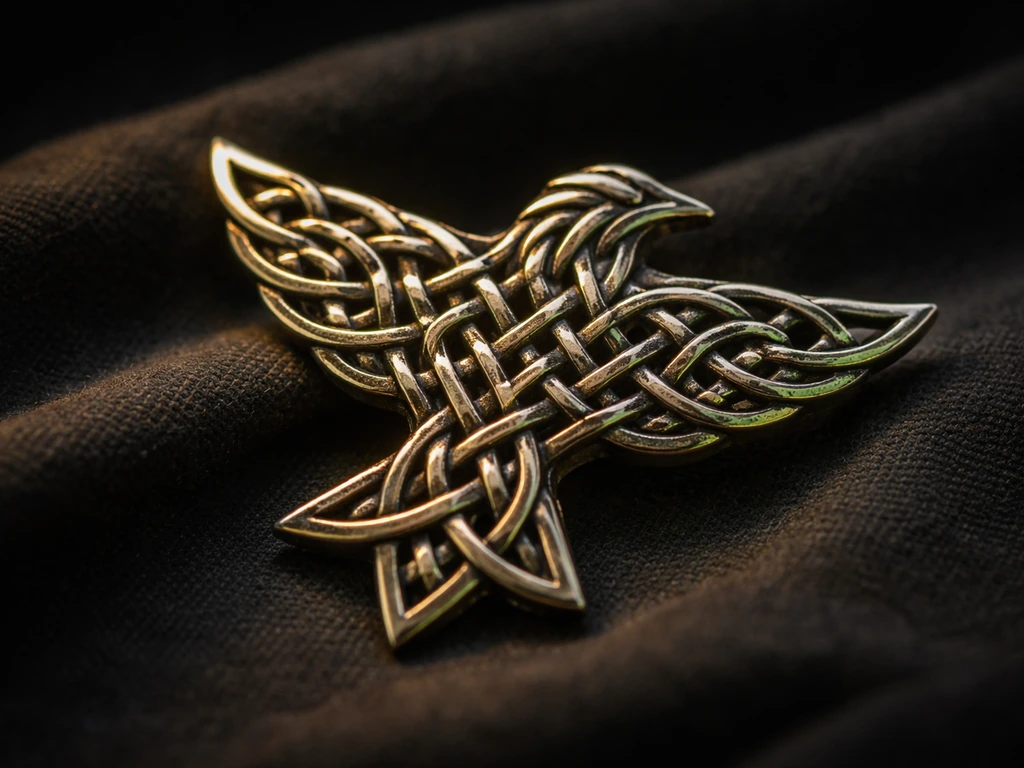
Celtic Good Luck Bird Meaning and How to Identify It
Interpret a Celtic good luck bird symbol: identify the imagery, learn meanings of birds and luck, and use it wisely.
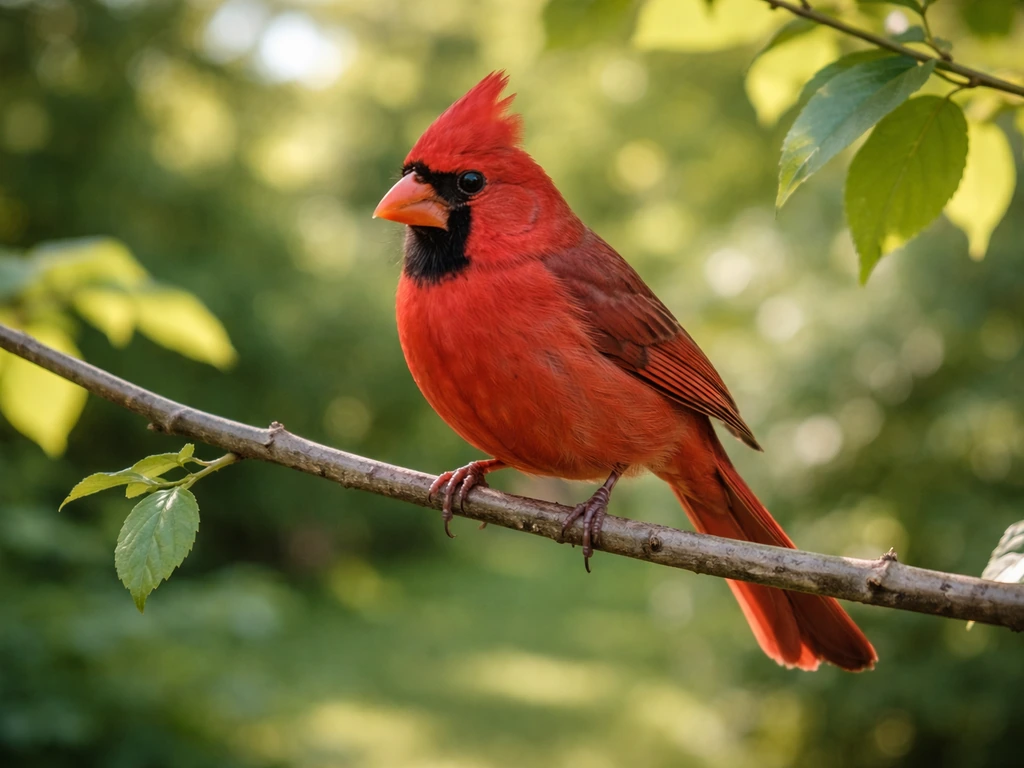
Cardinal Bird Good Luck: What Seeing a Cardinal Means
Learn what a red cardinal bird sighting means for good luck, how to interpret it, and simple spiritual steps to respond.
What Bird Is a Sign From Heaven? Meaning and How to Interpret
Which bird is often seen as a sign from heaven, plus a step-by-step way to interpret your specific encounter.