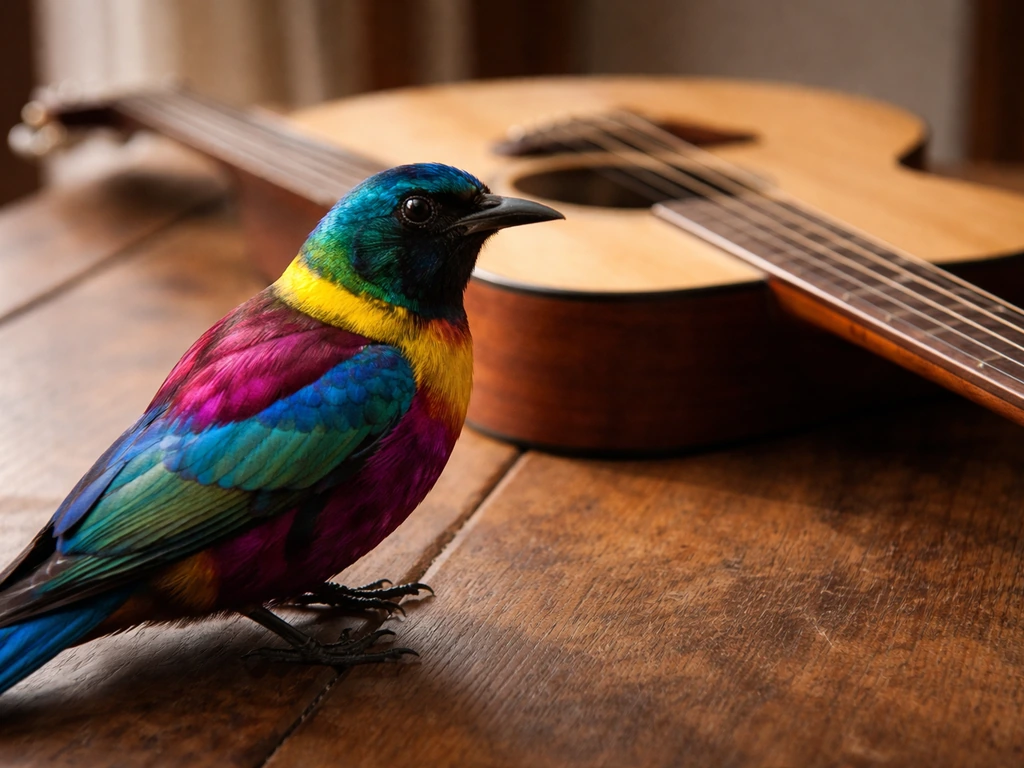
The bird of paradise symbolizes beauty, freedom, joy, and the kind of confident self-expression that stops people in their tracks. Whether you're thinking about the actual bird (a family of species native to New Guinea and surrounding islands) or the bird-of-paradise flower (Strelitzia), both carry overlapping themes of magnificence, celebration, and the idea that paradise isn't just a place, it's a state of being fully, brilliantly alive.
What Does the Bird of Paradise Symbolize? Meaning and Use

Eleanor Hartwell
24 Apr 2026
What the bird of paradise really stands for
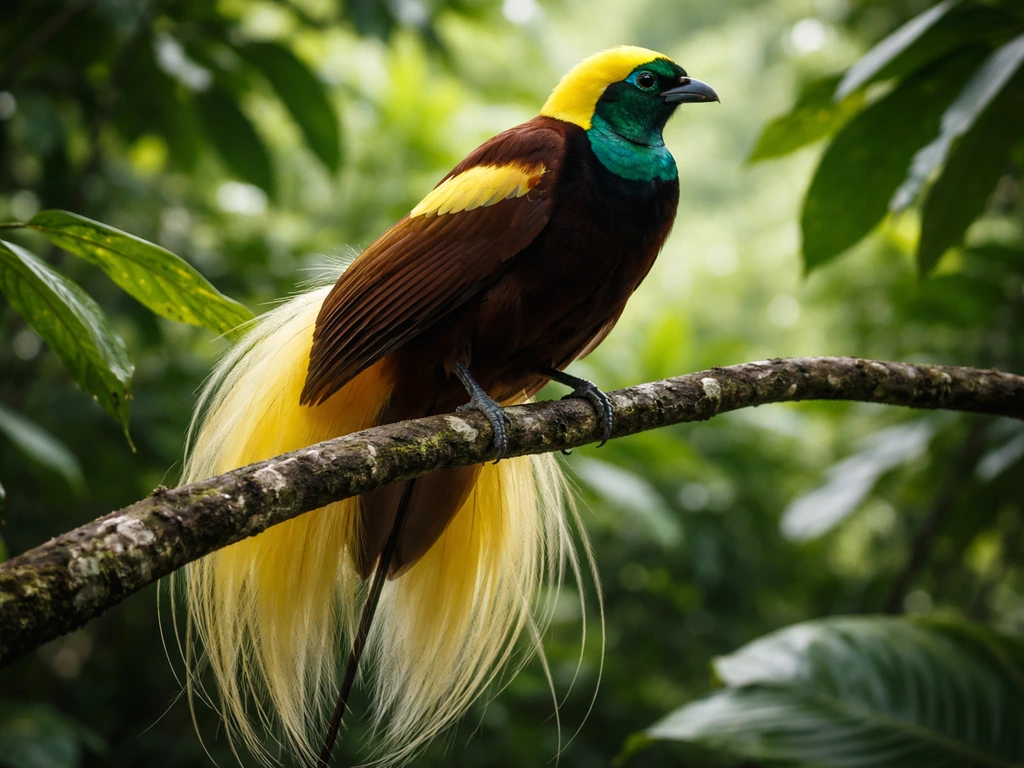
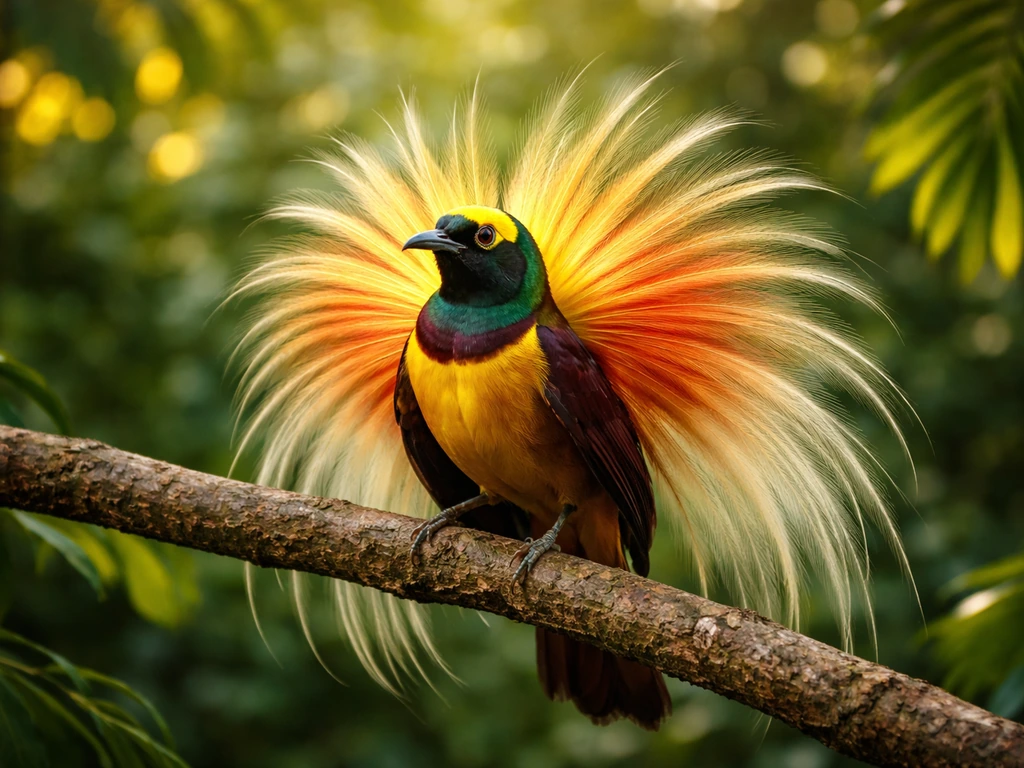
At its core, the bird of paradise is a symbol of extraordinary beauty paired with unapologetic confidence. The symbolism isn't arbitrary. Male birds of paradise have some of the most elaborate ornamental plumage in the animal kingdom, flank plumes, iridescent throat patches, head streamers, and they use every bit of it during highly ritualized courtship displays. They transform their bodies, snapping breast shields and back plumes into striking ellipses around their heads, performing posture-perfect dances designed to overwhelm the visual system of any observer. Females choose mates based on plumage condition and display quality. What you're watching, in other words, is beauty functioning as power.
That biological reality maps almost perfectly onto the symbolic meanings humans have layered onto this bird for centuries: charisma, magnificence, the courage to be seen, and the pull of something that feels genuinely otherworldly. Early European naturalists were so stunned by dried trade skins (which had their feet removed) that they decided the birds must live perpetually in the air, never touching the ground. The "footless bird" myth gave rise to the Latin name Paradisaea apoda, literally "footless bird of paradise", and cemented an idea that these creatures belonged to heaven, not earth. That mythology has never really left us.
- Beauty and magnificence: the bird's display is one of nature's most spectacular demonstrations of ornamental power
- Confidence and charisma: the courtship ritual is essentially a performance of self, staged with total commitment
- Freedom and flight: early myths of the footless bird reinforced the idea of a creature untethered from the earthly
- Joy and celebration: the sheer extravagance of the display reads as festivity across most cultural interpretations
- Transformation: the physical shape-shifting of courtship displays (especially the superb bird of paradise) translates into themes of becoming and self-reinvention
- Romance and devotion: the male's effort to attract — elaborate, persistent, visually stunning — connects naturally to ideas of romantic pursuit and admiration
When it's the flower: what changes
The bird-of-paradise flower (Strelitzia reginae) is a South African plant, not directly related to the New Guinea birds, but the resemblance is striking enough that the name stuck. If you're wondering bird of paradise when does it bloom, that Strelitzia flower season is what you’re usually trying to time bird-of-paradise flower. The flower emerges from a beak-like sheath on a tall stalk, with orange and blue petals fanning out in a shape that genuinely looks like a bird mid-flight. That visual connection means the flower inherits much of the same symbolic territory as the bird itself.
Where the flower diverges slightly is in tone. The bird's symbolism leans toward personal power, display, and freedom. The flower's meaning tilts toward joy, faithfulness, and celebration in relationship. Teleflora and florists identify it as the traditional 9th wedding anniversary flower, which anchors it to romantic milestones, long-term devotion, and the idea that love, like the flower, can be both spectacular and enduring. Common associations listed for the Strelitzia include liberty, magnificence, joyfulness, good perspective, and faithfulness, a slightly softer palette than the raw charisma energy of the bird.
If you're working with the flower in a gifting, design, or ceremonial context, think of it as the "celebration of something beautiful that has lasted" version of the symbolism. If you're working with the bird, think of it as the "courage to show up fully and be extraordinary" version. Both are valid. Both share the same root.
Why beauty, confidence, and "the spotlight" are the central themes
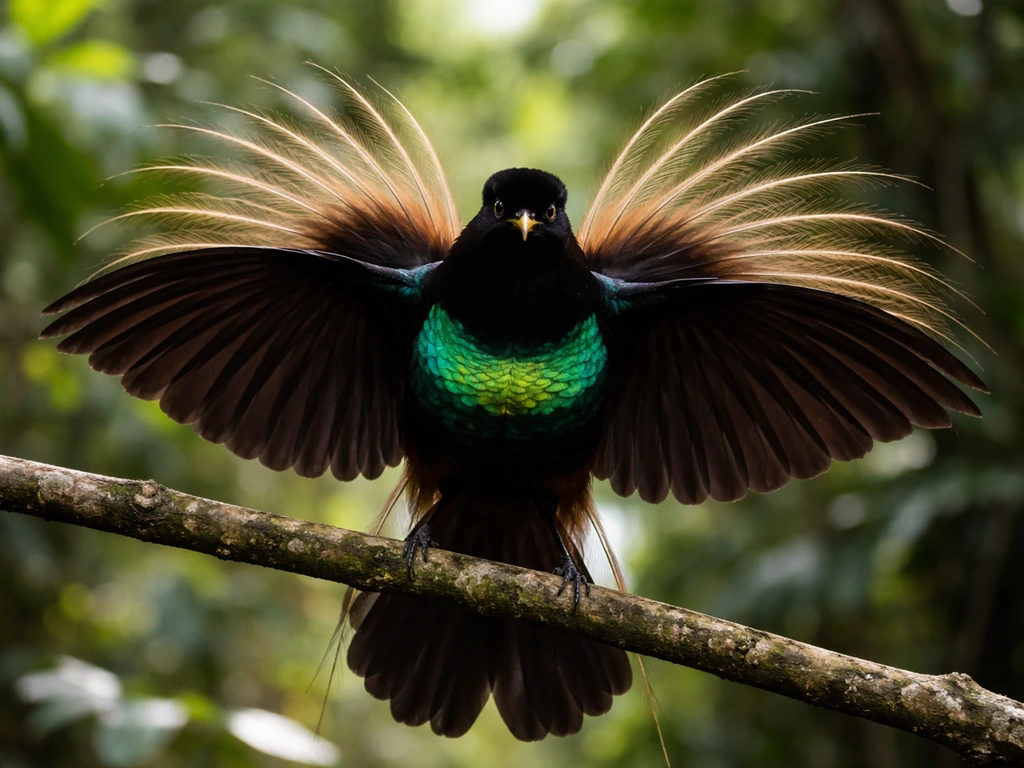
It helps to understand just how extreme the bird's courtship display actually is. Cornell researchers describe the behavior as "wildly extravagant plumage" combined with complex vocalizations and what they call shape-shifting dance moves. The superb bird of paradise, for example, spreads its breast shield and back plumes to form an almost perfect ellipse around its face, creating a completely alien-looking figure. Australian Geographic frames it as "extravagant dancing" in an "elaborate costume", a biological mating strategy where visual spectacle functions as proof of genetic quality.
This is why symbolism writers consistently land on confidence, spotlight, and charisma. The bird doesn't hide. It doesn't wait to be noticed. It creates conditions that make being noticed inevitable. That's the symbolic invitation: not vanity, but the willingness to let your full self be visible. In cultures where being seen is complicated, where self-expression carries risk, the bird of paradise often functions as a permission symbol, a reminder that displaying your gifts isn't arrogance. It's how connection happens.
Spiritual themes woven through the symbolism
Flight is one of the oldest spiritual metaphors in human history, and the bird of paradise carries it with extra intensity. The historical myth of the footless bird, a creature that never landed, that existed only in perpetual aerial motion, became a metaphor for the soul freed from earthly constraints. Spiritual writers who work with bird symbolism today often frame an encounter with the bird of paradise (in real life, in art, or in dreams) as a signal to stretch toward something larger: a new direction, an expanded version of yourself, a willingness to leave behind what keeps you grounded in the wrong way.
Freedom and joy tend to travel together in how this bird gets interpreted in modern spiritual practice. The sheer abundance of color, movement, and sound in a courtship display is hard to experience as anything other than exuberant. Joy here isn't mild contentment, it's full-body, full-color aliveness. Transformation is the third major spiritual thread. The courtship display involves literal physical transformation: the bird reshapes its body, becomes something visually unrecognizable from its resting state. That maps naturally onto spiritual narratives of becoming, of the self that emerges through effort, intentionality, and the courage to change.
It's worth noting that while the bird of paradise isn't directly mentioned in the Bible, Christian symbolic frameworks often read it through the lens of heaven and divine beauty, an earthly glimpse of what the original paradise might have felt like. That interpretive tradition is real and worth acknowledging, even if it sits alongside rather than above other cultural readings.
Cultural and mythological connections
In Papua New Guinea and the Indonesian Papua region, bird-of-paradise feathers have been used for generations to embellish ceremonial headdresses. The feathers aren't just decorative, they carry status, identity, and a connection to the spectacular. Wearing them is an act of cultural display that mirrors, in some ways, the biological display of the bird itself: beauty as communication, ornament as meaning. Papuan peoples have long understood the bird as a figure of spectacle and power in ways that predate Western symbolic frameworks entirely.
Western encounters with the bird followed the trade routes. By the time the first skins reached European collectors in the 16th century, the feet had been removed by indigenous traders (as was customary for trade skins), and European naturalists concluded the birds had no feet at all. This misunderstanding built the mythology of the supernatural, footless creature of paradise, and that mythology shaped everything that followed in Western symbolic writing about these birds. It's a good reminder that symbolism is often built on encounter, misunderstanding, and wonder in roughly equal parts.
In contemporary contexts, the bird of paradise motif appears in tattoo art (where it tends to represent exotic beauty, personal identity, and freedom), in graphic design, and in the widespread use of the Strelitzia flower as a symbol of celebration. The motif also connects naturally to broader bird symbolism frameworks: feathers as carriers of spiritual message, flight as transcendence, and the encounter with a rare or striking bird as a moment of meaning worth paying attention to. The bird of paradise sits at the extreme end of the beauty-and-display spectrum within bird symbolism, it's what happens when all those themes are amplified to their maximum.
How to actually use this symbolism today
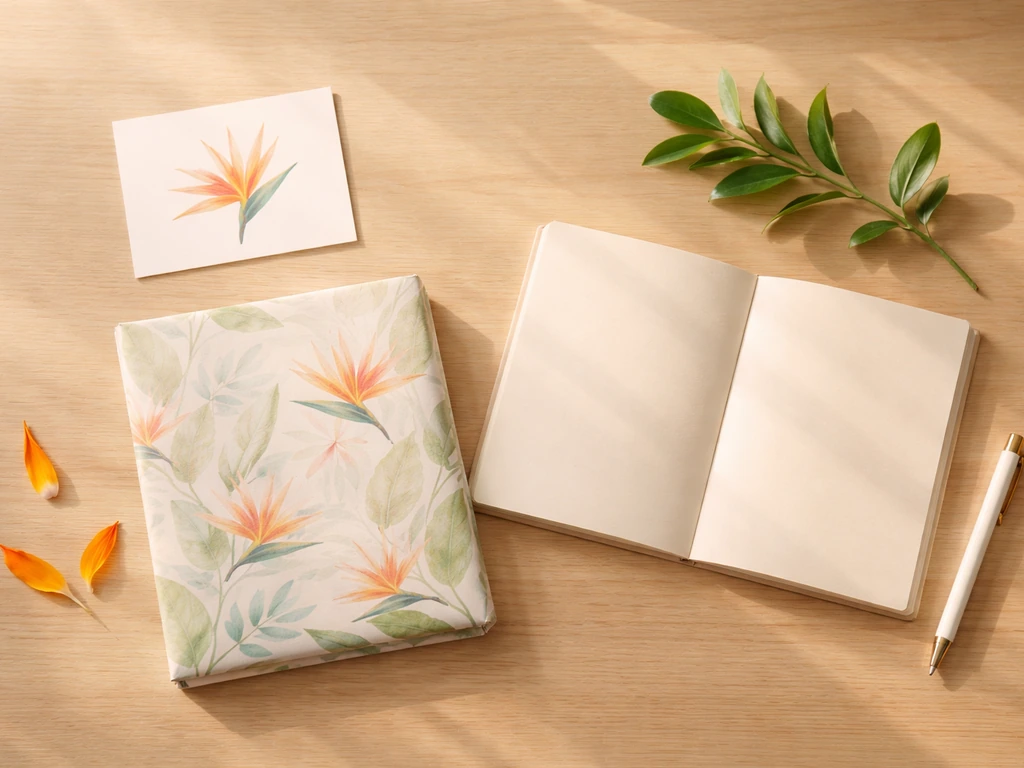
If you've encountered a bird of paradise, in a garden, in a painting, on a card someone gave you, in a dream, the most practical interpretive question to ask is: what in my life right now is asking me to show up more fully? The bird's core invitation is always some version of that. It's not asking you to perform for others. It's asking whether you're letting yourself be seen in the ways that actually matter to you.
If you're seeing the bird or flower in real life
Treat it as a prompt for reflection rather than a prescription. The bird of paradise as an animal encounter is rare outside its native range, so if you see one (in a zoo, a documentary, or unexpectedly in person), it tends to feel significant simply because of how extraordinary it looks. National Geographic describes the elaborate ornamentation and ritualized courtship dances of birds of paradise as a “[phenomenal show](https://www. nationalgeographic.
com/animals/birds/facts/birds-of-paradise? beta=true)” for both females and nearby humans. Let that feeling land. What does it stir?
Most people feel a combination of awe and delight, and both of those responses are the symbolism working on you in real time. The flower is more common and carries a gentler version of the same energy: joy, beauty, celebration.
If you're working with it in art, gifts, or design
The Strelitzia is one of the most symbolically loaded flowers you can give or receive. If you're choosing it for a 9th anniversary (its traditional occasion), lean into the "magnificence that endures" reading. If you're choosing it for someone going through a transition or stepping into something new, the freedom and transformation themes are more relevant. In art and design, the bird-of-paradise motif signals exotic beauty, confident self-expression, and a refusal to be ordinary, useful when you want those values present in a space or identity.
For journaling or spiritual reflection
- Write about a time you held back from showing something true about yourself. What would the bird-of-paradise version of that moment look like?
- Where in your life are you in "courtship display" mode right now — putting something forward, hoping it lands? What does that feel like?
- If freedom and joy are your entry points, ask: what would I do or become if I weren't afraid of the ground?
- If transformation is the theme calling to you, describe the version of yourself that the display reveals — the shape you take when you let yourself fully expand.
- If you received the flower as a gift, sit with what the giver might have been communicating. Faithfulness? Celebration? The wish for your joy?
Bird vs. flower: a quick comparison
| Aspect | Bird of Paradise (animal) | Bird of Paradise (Strelitzia flower) |
|---|---|---|
| Core theme | Beauty, charisma, confident self-display | Joy, liberty, faithfulness, celebration |
| Emotional tone | Bold, electric, transformative | Warm, abundant, festive |
| Romantic meaning | Pursuit, attraction, magnetism | Devotion, anniversary, enduring romance |
| Spiritual theme | Freedom, transcendence, becoming | Paradise, gratitude, flourishing |
| Best used for | Personal growth reflection, identity, courage | Gifting, ceremony, marking milestones |
| Traditional occasion | No fixed occasion | 9th wedding anniversary |
Both versions of the symbolism are worth knowing, and they're not in conflict. The bird gives you the raw, vivid, slightly overwhelming version of the meaning. The flower gives you the same meaning in a form you can hold in your hand and give to someone you love. Together, they make a complete picture: paradise isn't somewhere else.
For some people, the sentiment “may the blue bird of happiness” captures the same idea of finding paradise in the moment and letting joy show itself. May the bird of paradise also capture that same spirit of joyful arrival and fully expressing yourself may the blue bird of happiness. It's what happens when something beautiful shows up fully and lets itself be known.
If you are trying to interpret the phrase may the bird of paradise meaning in your own way, it fits naturally with the same ideas of confident self-expression and spiritual uplift covered here.
FAQ
Is “bird of paradise” symbolism different when it refers to the bird versus the Strelitzia flower?
Yes. The bird is usually read as raw self-expression and personal spotlight, while Strelitzia is often used for softer themes like joy, faithfulness, and long-lasting celebration (especially tied to the 9th wedding anniversary). If you need one meaning to fit a specific moment, pick the bird for “be seen” energy and the flower for “joy that endures” energy.
What does the bird of paradise symbolize in a dream, and how do I interpret it without overreading?
Dreams often treat it as a prompt about visibility and change. To ground the meaning, focus on your feelings in the dream (awe, excitement, fear, relief). If you felt uplift or possibility, it points to growth and expansion, if you felt overwhelmed, it can indicate anxiety about being noticed or judged.
What does it mean if I’m drawn to bird-of-paradise imagery but I don’t feel confident?
That pull can still be positive. Many people are attracted to it when they are seeking confidence, not when they already have it. Use it like a “compass,” ask what aspect of your life wants bold expression (a conversation, creative work, career move), and start with the smallest visible step rather than trying to “perform” immediately.
Does the bird of paradise always symbolize freedom, or can it mean something else?
Freedom is a common thread, but it can flip depending on context. In relationship settings it can be read as the courage to express needs, while in career contexts it may suggest stepping out of constraints. If the context includes secrecy or hiding, the symbolism may shift toward “break the pattern” rather than “do whatever you want.”
How should I choose between the bird meaning and the flower meaning for a gift?
Use the occasion. For milestones that emphasize endurance and devotion, Strelitzia fits best. For gifting someone who is starting over or taking a brave step, the bird read tends to match better. If you are unsure, a simple guiding question helps, what do you want them to feel, more celebrated (flower) or more emboldened (bird)?
Are bird-of-paradise tattoos meant to be vanity symbols?
Not necessarily. Many tattoo meanings center on identity, uniqueness, and courage to be visible, not on self-adoration. To avoid sending the wrong message, pair the tattoo with your stated intention in your own mind (for example, “I’m choosing to be seen in my work”) and consider size and placement, larger, more prominent placement often communicates “spotlight,” while smaller placement can communicate “personal reminder.”
What does “footless bird” mythology have to do with the modern symbolism?
It shaped Western interpretations by adding a heavenly, otherworldly layer, which is why the bird is often associated with transcendence and paradise-like uplift. Even if the story is inaccurate biologically, its cultural effect persists, so if your interpretation feels spiritual or heavenly, it may be influenced by that older mythology.
Can the bird of paradise symbolism apply in Christian contexts?
Often it is read through themes of heaven, divine beauty, and paradise imagery. The key is framing it as inspired metaphor rather than claiming the bird directly appears in biblical text. If you want to keep it respectful, treat it as a visual reminder of beauty and hope rather than a literal theological claim.
What’s the safest way to use bird-of-paradise symbolism in design or branding?
Be specific about which “slice” you want: exotic beauty, confident self-expression, celebration, or transformation. The symbol is powerful, so vague use can feel like it promises too much. If your message is for audiences with conservative taste, the flower usually reads more approachable than the bird, which can feel bolder and more attention-grabbing.
If I see a bird of paradise in real life, what practical question should I ask myself?
Ask what part of your life is asking for more wholehearted presence right now. Then check one constraint, time, money, social risk, or confidence. The symbolism is guidance, but the practical next step is usually one boundary you can change or one conversation you can initiate.
Next Article
May the Bird of Paradise Lyrics Meaning and Chords
May the Bird of Paradise lyrics meaning, themes and bird symbolism plus simple chord tips to play along.