A hummingbird is most commonly a sign of joy, love, healing, and resilience. Across cultures and centuries of symbolic tradition, spotting one is treated as an invitation to notice the sweetness in your current life, to trust that you have the energy to keep going through something hard, or to stay open to good news on its way. If you saw one today and felt that pull to look up what it means, the core message is almost always some variation of: pay attention to the small, beautiful things you might be rushing past.
What Is a Hummingbird a Sign Of Spiritual Meanings

Eleanor Hartwell
1 May 2026
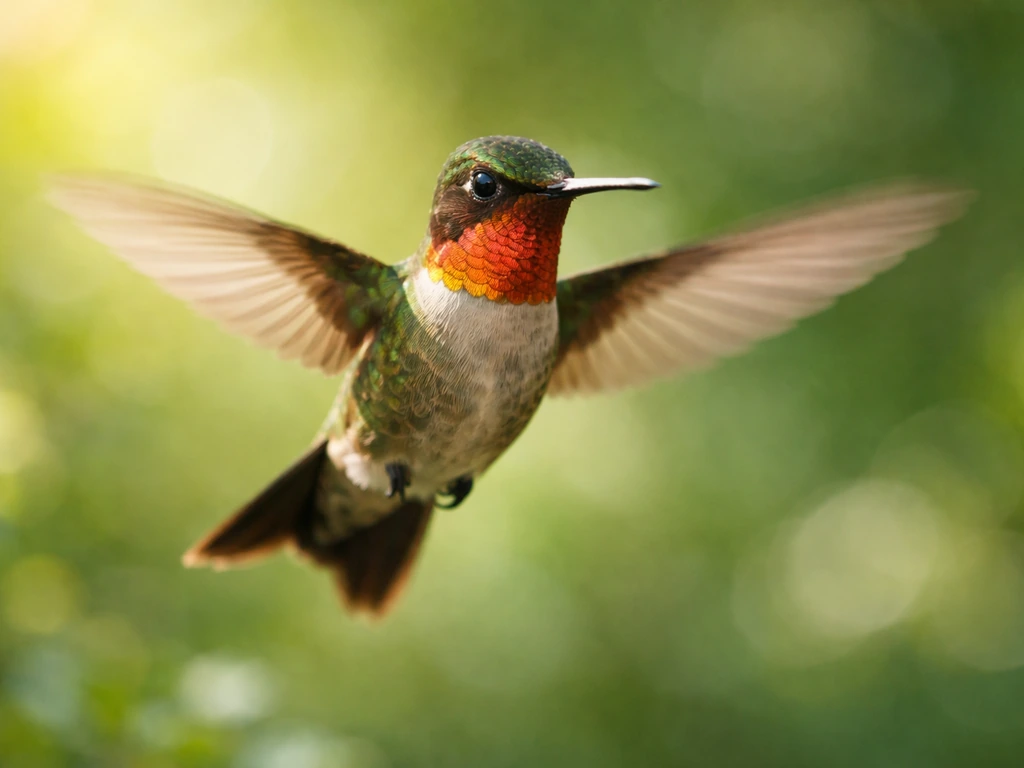
The most common things a hummingbird is a sign of
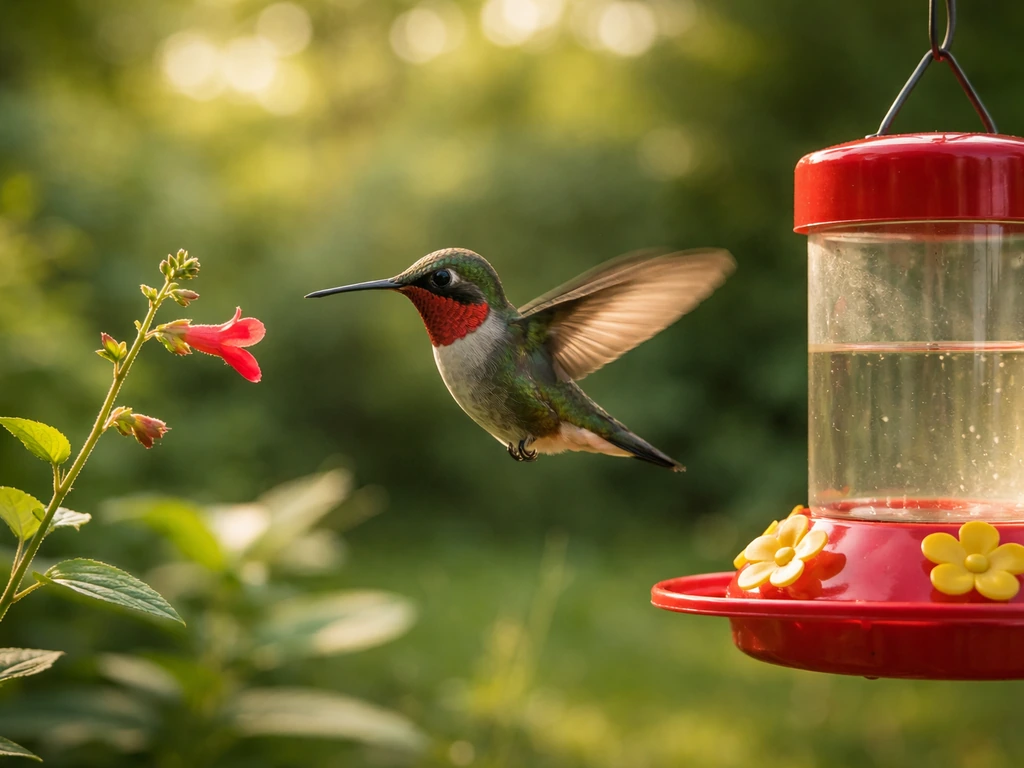
Whether you spotted one at your feeder, hovering outside your window, or darting through your garden, there are a handful of meanings that show up again and again in spiritual, folkloric, and cultural writing about these birds. None of them are contradictory, which is part of what makes hummingbird symbolism so consistent across traditions.
- Joy and lightness: The hummingbird is probably the most joy-associated bird in Western spiritual writing. Its quick, playful movement is read as a prompt to stop taking life so seriously and to savor what is good right now.
- Love and sweetness: The bird feeds on nectar, which in symbolic language maps directly onto nourishment through love, beauty, and pleasure. Seeing one is often interpreted as a reminder that life still has sweetness in it, even during difficult periods.
- Healing and renewal: Hummingbirds appear frequently in healing-themed symbolism, often as a sign that recovery, emotional or physical, is underway or possible.
- Resilience and endurance: Despite their tiny size, hummingbirds are extraordinary migrants, flying hundreds of miles on almost no body weight. In symbolic terms, this earns them a reputation as a sign that you have more strength than you think.
- Energy and momentum: The speed and precision of a hummingbird is often linked to a sign that now is a good time to act, to pursue something, or to trust your instincts about a direction you have been hesitant to take.
- Messages from someone who has passed: In several traditions, hummingbirds are treated as possible messengers from the spirit world, particularly from loved ones who have recently died.
What the hummingbird was doing matters a lot
Context changes interpretation significantly. A hummingbird hovering directly in front of your face carries a different symbolic weight than one you notice briefly while it feeds at a flower. Before settling on a meaning, it helps to think about what the bird was actually doing and where it appeared.
Hovering in front of you or at your window
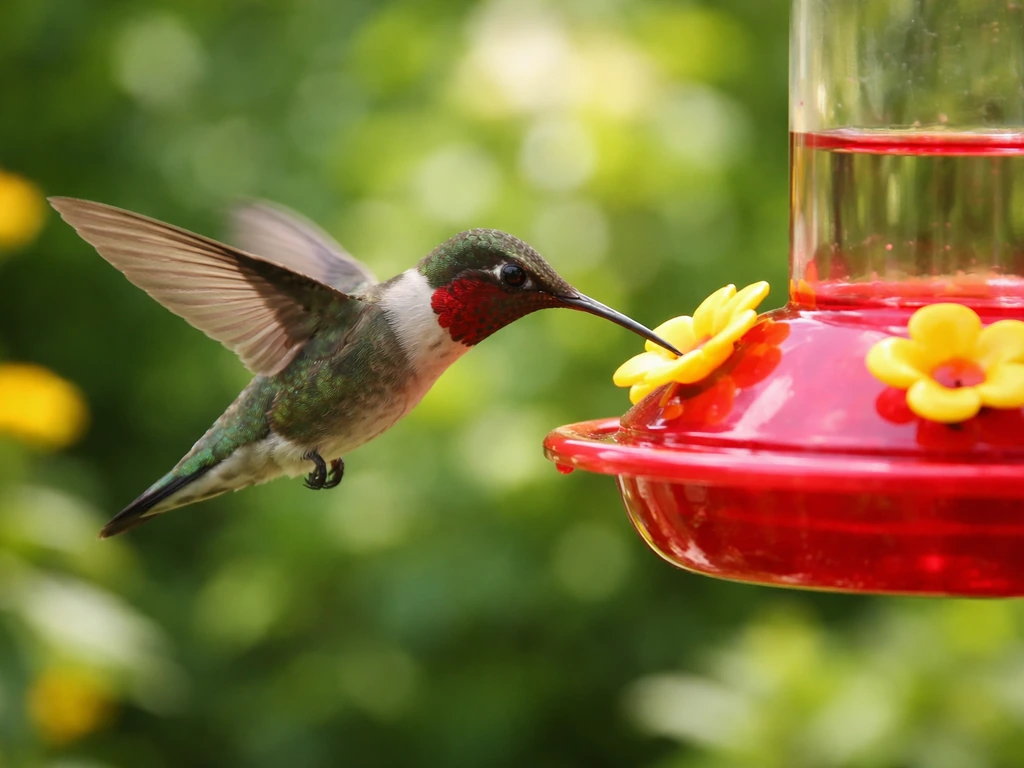
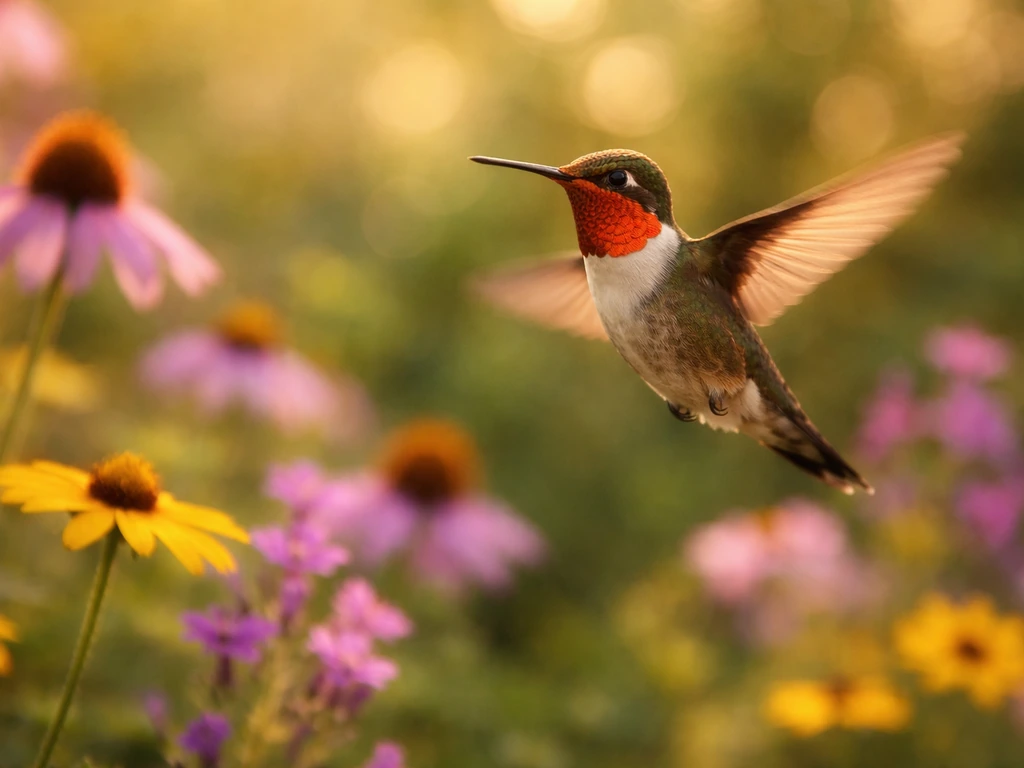
This is the scenario people find most striking, and it is the one most often assigned spiritual meaning. When a hummingbird hovers directly in front of a person, spiritual writers commonly frame it as the bird being deliberately drawn to you, or trying to get your attention.
From a purely behavioral standpoint, a hovering hummingbird is often surveying, defending territory, or searching for nectar sources, which is worth knowing so you are not reading deep symbolism into a bird that simply thinks your red shirt looks like a flower. That said, both things can be true at once: the behavioral explanation and the symbolic one are not in competition.
If the hovering felt unusually prolonged or occurred right after a significant event in your life, most symbolic frameworks would say it is worth sitting with the feeling it prompted.
Feeding at a flower or feeder
A hummingbird actively feeding is the sweetness symbol at its most literal. Spiritually, this is read as a sign of abundance, of nourishment available to you, and of beauty worth slowing down for. It is also one of the gentler appearances, less urgent than a direct hover, more of a quiet affirmation that good things are present if you look for them.
A hummingbird indoors or very close to your home
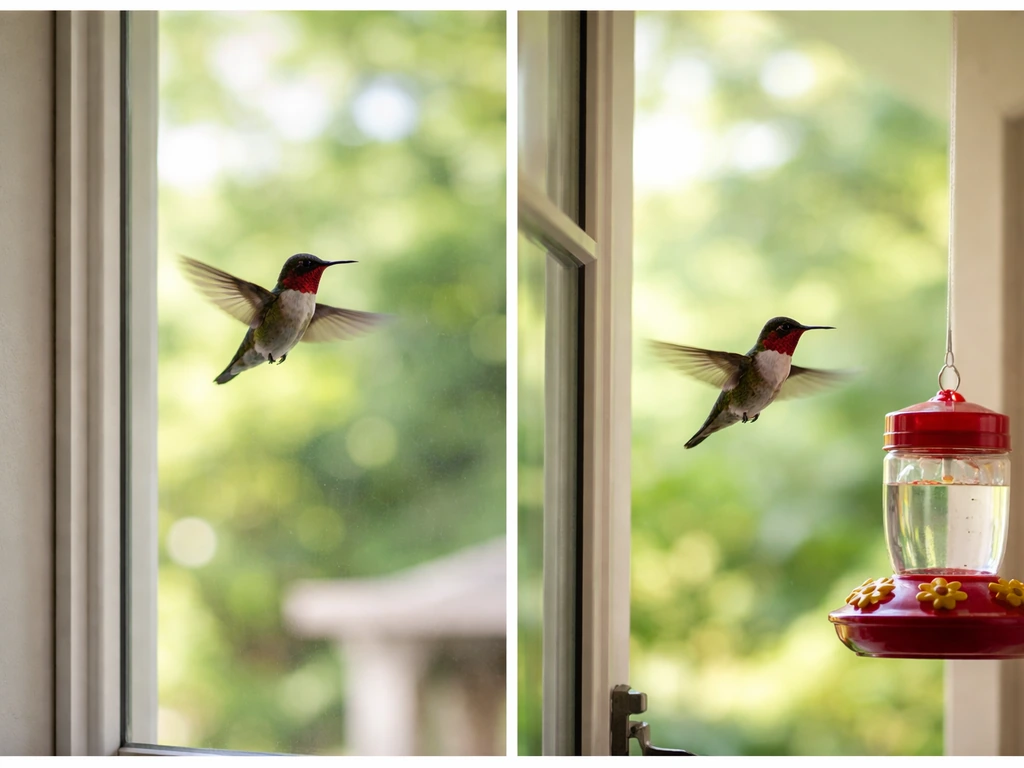
A hummingbird that gets inside a house, or appears persistently near a doorway or window, is one of the most symbolically loaded encounters in this tradition. Many people interpret this as a message from a deceased loved one, particularly if the visit happens close to an anniversary, birthday, or the date of a passing. In several Native American traditions, this idea has genuine cultural roots rather than just modern spiritual projection.
Multiple sightings in a short period
Repeated appearances tend to amplify whatever meaning you have already assigned to the first sighting. If you have noticed hummingbirds three or four times in a week, symbolic tradition would say the message is either more urgent or simply confirming something you already know but may be ignoring. It is also worth noting whether there is a practical reason for the frequency, like a nearby garden in bloom or a new neighbor with a feeder, because grounding the observation in reality first makes the symbolic reading more honest.
Timing: when you see it shapes what it might mean
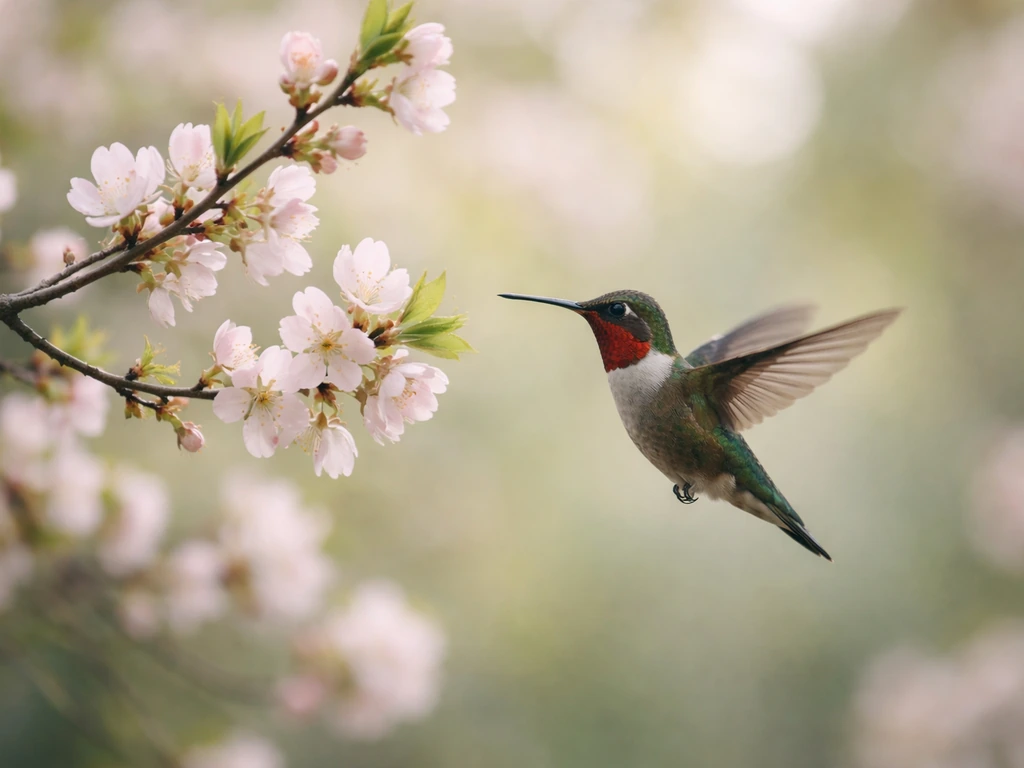
The season, the occasion, and the personal circumstances you are in when you spot a hummingbird all add layers to the interpretation. Hummingbird symbolism is not static. The same bird means something different at different times of year and in different chapters of a life.
Spring arrivals and the 'first hummingbird of the year'
In North America, the spring arrival of ruby-throated hummingbirds is a well-tracked seasonal event, and spiritual writers frequently map the 'first hummingbird of the year' onto themes of new beginnings, fresh starts, and hope returning after a hard winter. RubyThroat.org frames “the year’s first Ruby-throated Hummingbird” as an early-spring event and offers guidance for observing and recording first arrival dates. If you are reading this in spring 2026 and you just saw your first hummingbird of the season, that timing alone carries a built-in symbolic dimension: renewal, the end of a dormant period, and the start of something. In that context, the bird is less about a specific message and more about permission to begin.
Sightings around grief and anniversaries
If a hummingbird appears around the time of a death, a memorial, a birthday of someone who has passed, or any grief-saturated moment, it is almost universally interpreted in spiritual traditions as a visit from or a message from that person. This is one of the most emotionally significant hummingbird signs, and it is worth taking seriously on your own terms regardless of your broader beliefs about the afterlife. Even in a non-supernatural reading, the appearance of something beautiful and fleeting during grief is meaningful as a reminder that beauty persists alongside loss.
During a period of decision-making or transition
Seeing a hummingbird when you are at a crossroads is commonly read as encouragement to move forward with energy rather than stalling. The bird's resilience as a long-distance migrant makes it a fitting symbol here: if something so small can travel so far, you probably have more capacity than your anxiety is telling you.
The deeper symbolic themes unpacked
It is worth spending a moment on why these specific themes have attached to hummingbirds rather than other birds. The symbolism is not arbitrary. Each core theme tracks back to something real about how the bird lives.
| Theme | What it symbolizes | Why the hummingbird carries it |
|---|---|---|
| Joy | Savoring life's small pleasures and not rushing through them | The bird spends its life seeking and tasting nectar, slowing to hover at each flower |
| Love | Affection, sweetness, devotion, beauty in relationships | Nectar as nourishment mirrors love as emotional sustenance |
| Healing | Recovery, wholeness, return to vitality | The bird's rapid heartbeat and intense energy mirror the body's own drive to repair itself |
| Resilience | Endurance through hardship, inner strength despite small size | Hummingbirds migrate vast distances on almost nothing, surviving against odds |
| Energy and momentum | Action, flow, the right time to move forward | The hummingbird is one of the fastest and most precise fliers in the animal world |
| Messages from loved ones | Connection across the boundary of death, love that persists | Tied to cultural beliefs about spirits taking animal forms after death |
How different cultures and spiritual traditions read the hummingbird
One thing that makes hummingbird symbolism feel so resonant is how consistently meaningful the bird has been across traditions that developed independently. The core themes recur even when the specific stories are very different.
Aztec and Mesoamerican traditions
The Aztec connection is probably the most historically grounded of all hummingbird symbolism. The deity Huitzilopochtli, one of the most important figures in the Mexica pantheon, had a name that translates roughly to 'hummingbird of the south' or 'left-handed hummingbird.' Warriors who died in battle were believed to return as hummingbirds, carrying the speed, precision, and fearlessness of the bird into their transformed spiritual state. This gives hummingbird symbolism in Mesoamerican tradition a strongly warrior-coded meaning: not just joy and sweetness, but survival, combat-tested strength, and spiritual continuation after death. It is a notably different emphasis than the gentler Western spiritual version, and it adds real depth to the resilience theme.
Native American traditions
Across various indigenous traditions in North America and Mexico, hummingbirds appear as sacred messenger figures and, in some communities, as the spirits of the deceased taking physical form. The bird is treated with reverence rather than as an omen to decode, and the emphasis tends to be on the connection between the living and those who have passed. This tradition is the cultural root of the widespread modern belief that hummingbirds carry messages from the dead.
Christian and biblical frameworks
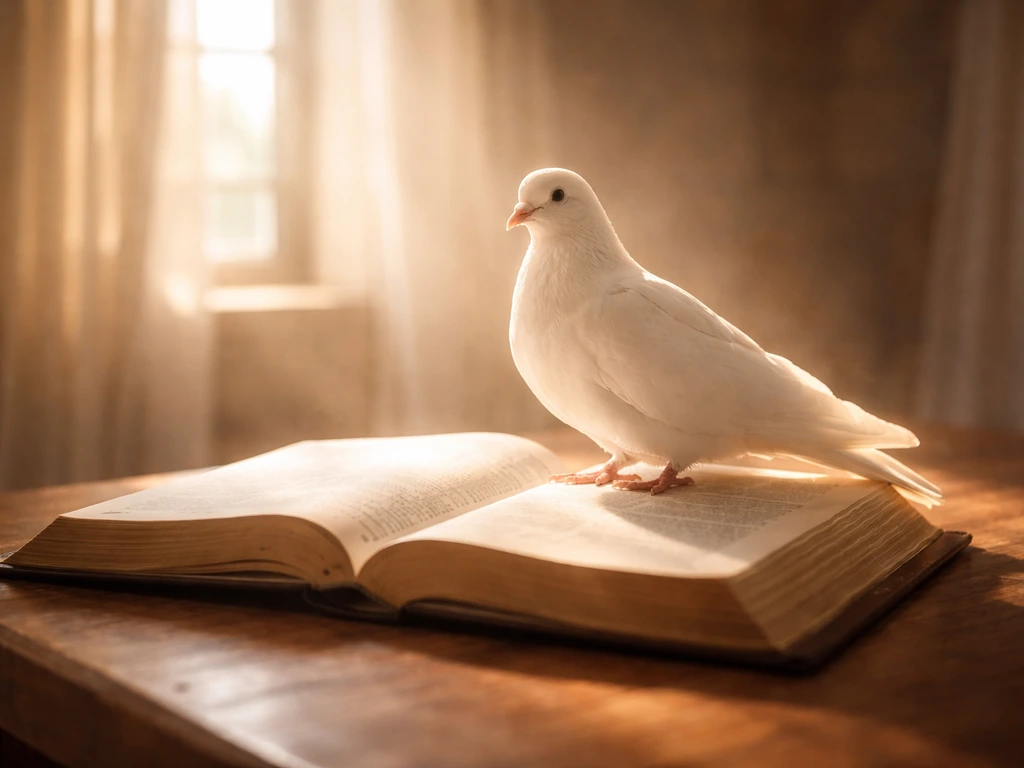
Hummingbirds do not appear in the Bible directly, which is worth being honest about. In the Bible, the symbolism connected to birds most often points readers toward themes found in passages about doves, eagles, and sparrows the Bible directly. The biblical and Christian symbolic tradition around birds tends to focus on doves, eagles, and sparrows, each of which carries specific scriptural meaning.
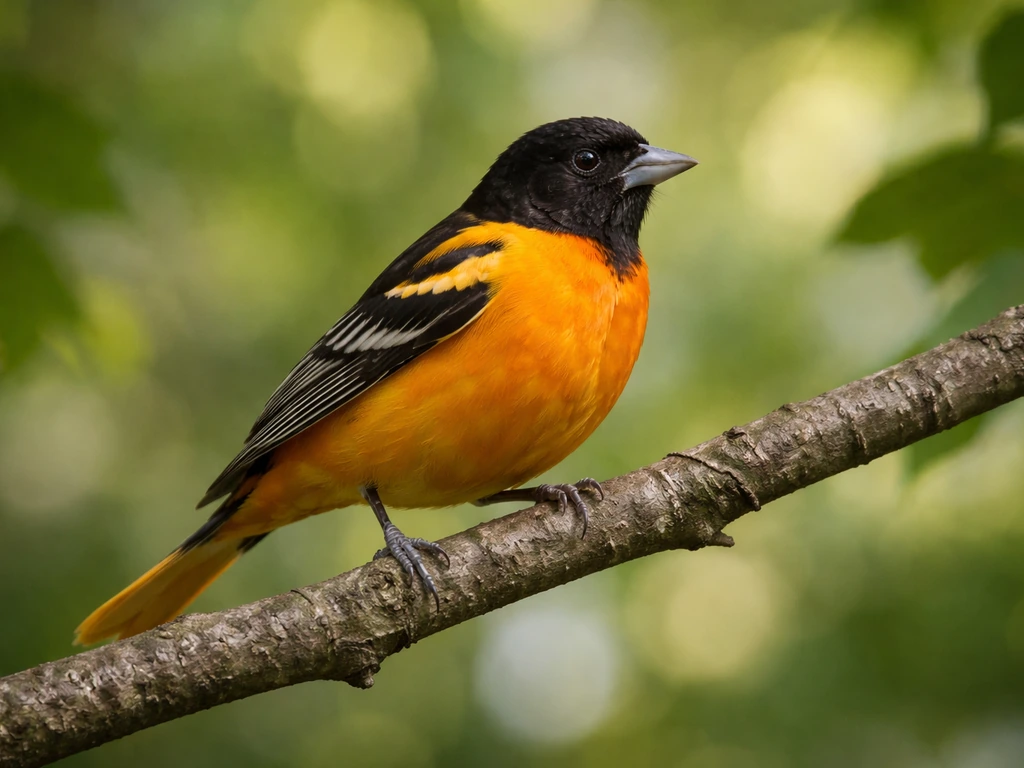
Some people also search for the biblical meaning of an oriole bird, but the closest scriptural guidance usually comes from how scripture treats birds in general rather than specific species Christian and biblical frameworks. That said, Christian frameworks have historically read birds in general as symbolic of spiritual qualities: peace, simplicity, love, protection, and the presence of the divine in the natural world.
If you are approaching hummingbird symbolism from a Christian perspective, the most natural lens is to read the bird through those broader themes, treating it as part of the created world that points toward its Creator, rather than as a specific biblical sign. The hummingbird's qualities of joy, persistence, and beauty fit comfortably within a Christian devotional reading even without a direct scriptural anchor.
Related explorations of bird symbolism in biblical and spiritual contexts, including what specific birds mean in scripture and in dreams, extend these themes further for readers who want to go deeper in that direction. If you want a closer look at how Christian readers interpret birds symbolically, you can also explore the humming bird biblical meaning perspective for extra context Related explorations of bird symbolism in biblical and spiritual contexts. This includes exploring the humming bird biblical meaning and how it is interpreted through scripture-inspired themes.
In particular, people often look up the bird in dream biblical meaning to connect a hummingbird encounter to scripture-inspired themes like joy, renewal, and divine presence bird in dreams, extend these themes further.
Modern Western spiritual tradition
The contemporary spiritual reading of hummingbirds, which is probably what most people are reaching for when they search for what a sighting means, synthesizes elements from indigenous traditions, folk wisdom, and general nature spirituality. It tends to emphasize joy, healing, love, and messages from deceased loved ones, without being tied to any single religion. This is a valid and meaningful framework, but it is worth knowing it is an eclectic one rather than a single tradition with centuries of specific doctrine behind it.
What to actually do after seeing one today
Symbolic meaning becomes genuinely useful when it prompts you to do something, reflect on something, or notice something you had been missing. Here is a practical sequence worth following after a hummingbird sighting that felt significant.
- Write it down while it is fresh. Note where the bird appeared, what it was doing, what you were thinking about in the hours before, and whether anything significant is happening in your life right now. Patterns across multiple sightings become much clearer when you have a record.
- Check the real-world context honestly. Is there a nectar source nearby that might be attracting hummingbirds? Are you in a region where they are arriving for spring right now? Grounding the observation in what is actually happening in the natural environment makes your symbolic interpretation more intentional rather than automatic.
- Identify which theme resonates. Of the core meanings, including joy, love, healing, resilience, energy, and messages from loved ones, which one feels true to your life right now? The one that stops you is usually the one worth sitting with.
- Do a small, concrete practice that matches the message. If the theme is joy, do one thing today that you have been putting off because it feels too small or indulgent. If it is resilience, write down one difficulty you are currently moving through and acknowledge that you are still moving. If it is a message from someone who has passed, say their name out loud and tell them what you would want them to know.
- Set a simple intention. You do not need a ritual. Just decide what you want to carry forward from the sighting. Something like: 'I am going to notice more sweetness today' is enough.
- Return to it if the sightings continue. If hummingbirds keep appearing over the next few weeks, revisit your notes and look for what has changed in your circumstances. The evolving pattern often carries its own meaning.
One thing worth holding onto from the research side of this topic: no symbolic tradition, including the most established ones, says that a hummingbird sighting means the same thing for everyone. The framing that makes the most sense is to treat a sighting as a prompt for personal reflection rather than a fixed message delivered from the outside. Your own associations, your own life circumstances, and your own intuitive response to the bird will always be more informative than any list of universal meanings, including this one. Use the cultural and spiritual frameworks as starting points, not endpoints, and let what resonates guide you from there.
FAQ
What is a humming bird a sign of when it shows up unexpectedly at my job or while driving?
When the timing is sudden and you are in a place that normally stresses you (work deadlines, commuting), many people read it as a prompt to pause and reset your attention, even for a few seconds. If it is safe and possible, note what you were thinking right before seeing it, then ask whether the “small beautiful thing” message is pointing to something practical you can control immediately (a conversation, a task, or a boundary).
Does a hummingbird have a different meaning if it keeps coming back to the same window or feeder?
Yes, repetition often shifts the symbolism from “an occasional reminder” to “confirmation plus opportunity.” If the bird is repeatedly using the same spot, treat that as two layers at once: from the nature side it is finding reliable nectar and routes, from the spiritual side it is encouraging you to consistently choose what nourishes you (a routine, a habit, or a supportive relationship).
What should I do if I feel like the hummingbird meaning is “too negative,” especially during grief or anxiety?
If the encounter triggers fear or dread, use the meanings in the article as a ceiling, not a threat. A common practical approach is to reframe it toward presence and gentle care, for example “beauty persists alongside loss” and “stay open to good news.” If you find your interpretation escalating into panic, consider grounding it by checking what is happening in your environment and returning focus to one next supportive action.
Is it ever a bad omen if a hummingbird appears in an unusual way, like being grounded, injured, or acting strangely?
In most grounded readings, an injured or lethargic hummingbird points less to spirituality and more to real-world factors like bad weather, window collisions, pesticide exposure, or lack of safe nectar. If you see one that seems unwell, focus on responsible assistance (contact a local wildlife rehabilitator) before treating it as a message with a specific emotional outcome.
How can I tell whether I am projecting meaning onto a normal hummingbird behavior?
Look for behavioral context first. If the bird is feeding and moving flower to flower, that naturally explains much of the “symbolic sweetness” feeling. If it hovers directly near you unusually long, that can be territorial defense or investigation, but it also may coincide with a moment that emotionally “locks in.” A good test is to ask, “What emotion or insight did I already have, and did the hummingbird intensify it?”
What is a humming bird a sign of in dreams, compared with seeing one in real life?
Dreams usually emphasize how your mind processes the current season of life rather than literal real-world events. In practice, treat the dream as a reflection prompt: ask whether the hummingbird’s actions in the dream felt like joy, urgency, comfort, or interruption. Then compare it with your waking circumstances (renewal, healing, love, resilience) to decide which theme fits best.
If I see a hummingbird right after a death, does that always mean a visit from a deceased loved one?
Not always. While some cultural traditions and many spiritual readers interpret close timing as a message from a deceased loved one, the same timing can also reflect your brain and heart seeking comfort and connection. A helpful decision aid is to honor what brings you support rather than forcing one conclusion, for example, “This encounter helps me feel closer,” or “This reminds me that love continues,” without requiring proof of afterlife explanations.
What is the best way to confirm what a hummingbird sighting means for me?
Use a short reflection cycle: write down (1) what you were feeling, (2) what the bird was doing (hovering, feeding, entering, lingering), (3) where you were, (4) what day or season it was, then (5) what action you feel gently called to take. If a meaning leads to constructive attention (nourish yourself, soften, reach out), it is usually more useful than meanings that only create worry.
Does the meaning change if it is a different hummingbird color, size, or type than expected?
Yes, in interpretation quality, not in strict symbolism. Different species and visible traits can change your emotional response (a ruby-throated bird might feel like “first of the season,” for instance), and your brain may link it to past experiences. Treat the biological differences as part of the grounding evidence, then decide which emotional theme you actually felt strongest, joy, love, healing, or resilience.