
If you searched "the good lord bird telegram," you're most likely looking for one of two things: either you've encountered the phrase from James McBride's novel or the Showtime miniseries and want to understand its spiritual resonance, or you've had a bird encounter that felt like a message, a divine nudge, a sign sent straight to you, and now you want to decode it. If you want the deeper meaning behind the bird-message angle, see the bird revelation explained.
The Good Lord Bird Telegram Meaning in Bird Symbolism

Eleanor Hartwell
21 May 2026
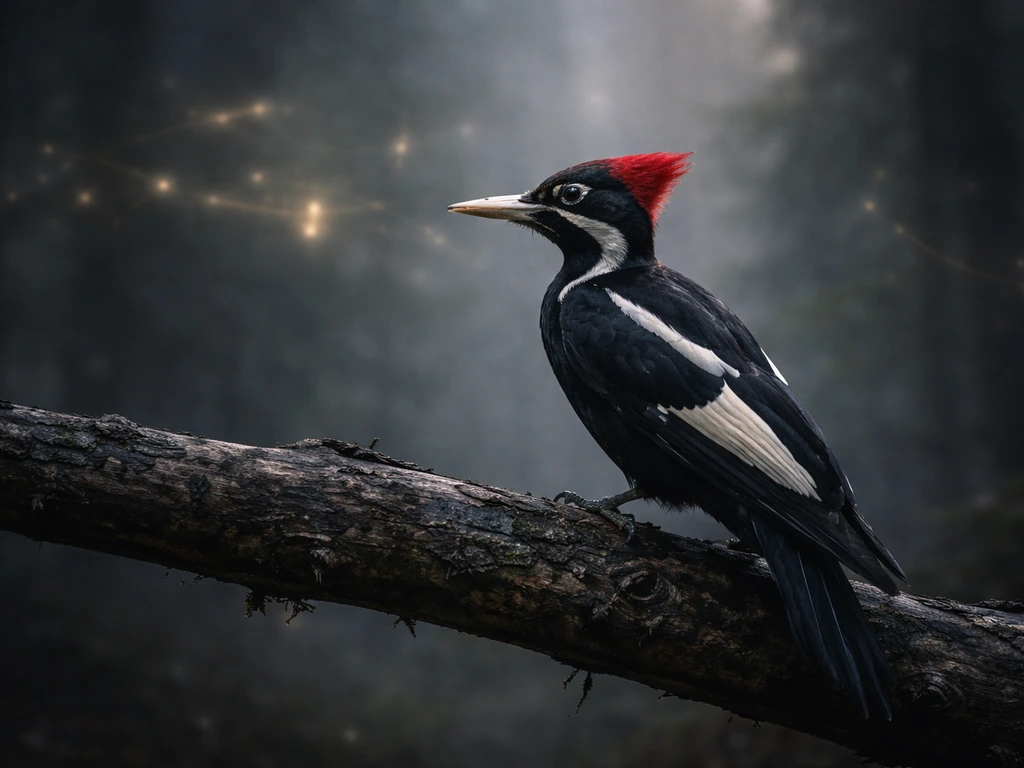
Either way, you're in the right place. The "telegram" in this context isn't a literal wire message. It's a metaphor for a timely, pointed communication from something beyond the everyday, delivered through a bird or bird imagery. What follows is a practical guide to figuring out what that message might actually mean.
What "the good lord bird telegram" actually means (and what it doesn't)
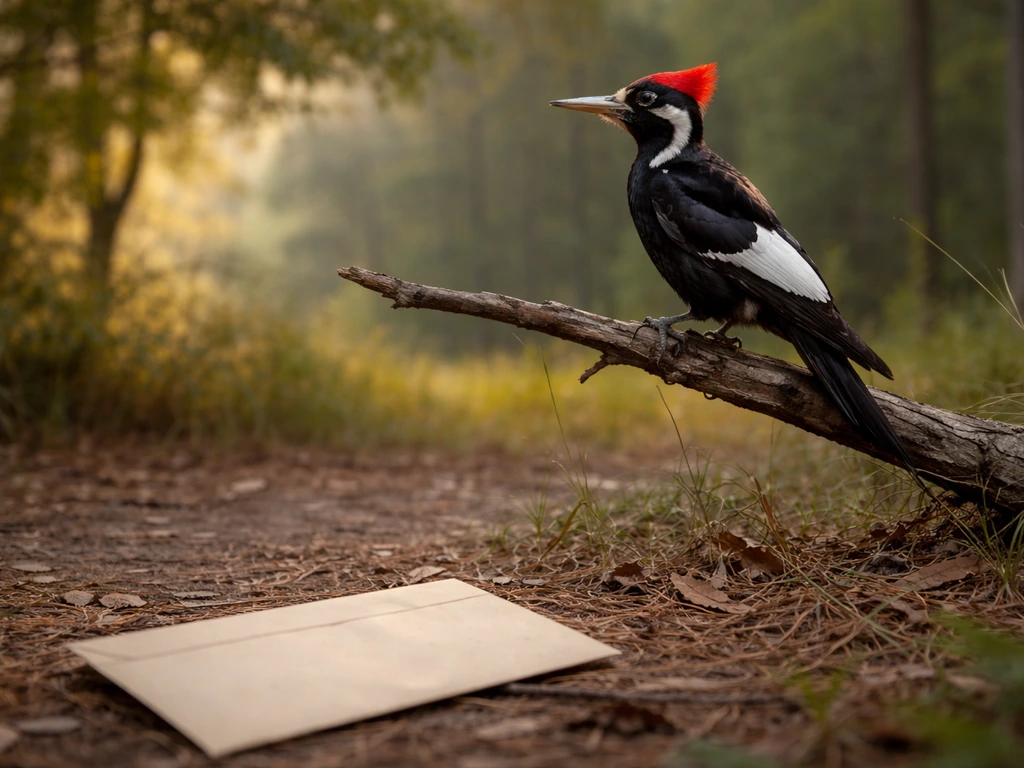
Let's clear up the literal layer first. In James McBride's 2013 novel and the Showtime adaptation, "The Good Lord Bird" refers to the ivory-billed woodpecker, a bird so striking that people who spotted it supposedly exclaimed "Good Lord!" at the sight. In the story, a feather from this bird is treated as an object of sacred significance, connected to God's wisdom and described outright as "good luck." The novel isn't a religious text, but it layers spiritual meaning onto bird imagery in ways that feel genuinely reverent, not decorative.
When people pair "Good Lord Bird" with "telegram," they're almost certainly reaching for a spiritual metaphor: the idea that a bird sighting, a feather found unexpectedly, a particular woodpecker drumming at your window, carries a communication with it. A telegram in its original sense is a message sent across a distance at a specific moment. That's exactly what many spiritual traditions mean when they call birds messengers: they arrive with something, at a particular time, for a particular person. Whether that framing is metaphorical or literal depends entirely on your worldview, and this guide respects both without collapsing into either.
Birds as messengers: what the "telegram" metaphor means spiritually
The idea that birds carry messages isn't a New Age invention. It's one of the oldest and most consistent threads in human spiritual history. The formal practice of reading meaning from bird behavior, called ornithomancy, involves interpreting omens from how birds fly, where they land, what they call, and when they appear. Ancient practitioners didn't treat every sparrow as a divine dispatch, but they paid close attention to pattern, timing, and species.
The word "telegram" captures something specific here: not a vague ambient feeling, but a pointed message arriving at a particular moment. Spiritually, bird encounters tend to hit that register when the sighting is unusual, the timing feels loaded, or the behavior of the bird is hard to explain away. A crow sitting still and watching you on the morning of a difficult decision feels different from a crow flying past on your commute. The "telegram" metaphor is asking you to pay attention to that distinction.
How to identify the bird or sign you're working with
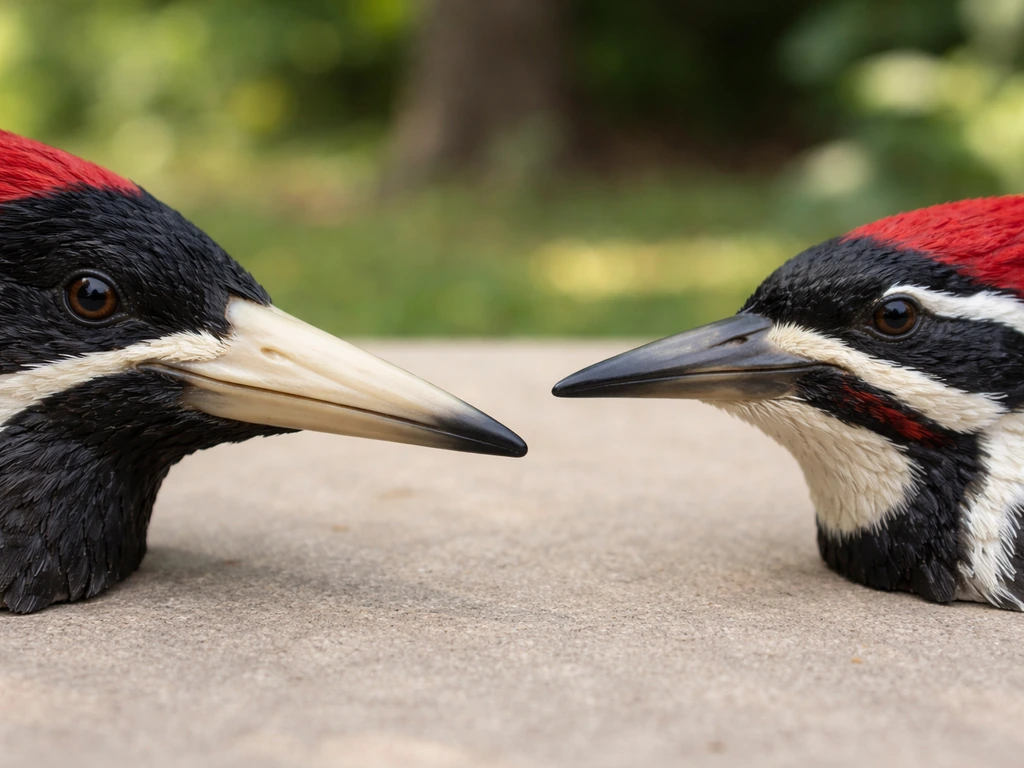
Before you interpret anything, nail down what you're actually dealing with. Vague bird encounters produce vague meanings. Here's what to pin down as specifically as you can.
- Species: What bird was it? A woodpecker (and specifically the large, dramatic ivory-billed type the novel references) carries very different cultural freight than a dove, an owl, or a hawk. If you're working with the novel's imagery specifically, the woodpecker is your anchor species.
- Behavior: Was it still or in motion? Landing is often read differently from flying away. A bird that made direct eye contact, entered your space, or behaved unusually (like the "landing" behavior noted in shamanic traditions) tends to carry more interpretive weight.
- Timing: Morning, night, during a crisis, on a significant date? Owls, for instance, hoot at night primarily during breeding season and for territorial reasons, which matters when you're deciding whether a nighttime hoot is a "sign" or biology.
- Location: Did the bird appear at your home, a place connected to someone who has died, or somewhere associated with a decision you're facing?
- Your emotional state: Spiritual traditions consistently acknowledge that what you're carrying emotionally shapes what you receive symbolically. Naming your state of mind is part of honest interpretation.
Research in contemporary Western shamanic practice confirms that interpreters look at both species and behavior before assigning meaning. A hawk landing is read differently from a hawk circling. Get the details before you reach for the symbolism.
What different traditions make of bird messengers
Here's where the comparative work gets genuinely useful. The same bird often means something different depending on the tradition you're drawing from, and knowing the range of meanings helps you find what resonates rather than just accepting the first interpretation Google hands you.
| Tradition | Key Bird Symbol | Core Meaning |
|---|---|---|
| Biblical / Christian | Dove | Holy Spirit, peace, divine presence; Noah's dove returned with an olive branch as a sign of renewed covenant |
| Biblical / Christian | Eagle | Renewal, strength, divine protection; used symbolically in scripture to represent spiritual soaring |
| Ancient Egyptian | Ba-bird (human-headed bird) | The soul's mobility after death; the ba travels and returns, carrying messages between the living and the dead |
| Native American | Bald Eagle | Prayer carrier to the Creator; the eagle intercedes on behalf of people and delivers supplications upward |
| Celtic | Raven / Crane | Omens, liminality, crossing between worlds; birds associated with prophecy and the boundary between life and death |
| Aztec / Mesoamerican | Quetzal (feathers) | Sacred connection to Quetzalcóatl; feathers as symbolic carriers of divine authority and spiritual power in codices and ritual |
The ivory-billed woodpecker of "The Good Lord Bird" fits best in the biblical and broadly Abrahamic resonance: an awe-inspiring creature whose appearance prompts a spontaneous invocation of God. But if you're working this symbolism through a Native American lens, the woodpecker has its own set of meanings related to rhythm, persistence, and communication with the spirit world through sound. None of these traditions claims a monopoly on what a particular bird means. Your own heritage, spiritual background, and felt sense matter enormously in narrowing which frame applies to you.
The core motifs: feathers, flight, nesting, and calls

If you're not working with a specific bird sighting but with the imagery from the novel or show, the key symbolic objects to work with are the feather, flight, nesting, and the bird's call. These motifs show up across virtually every tradition that assigns spiritual meaning to birds.
Feathers
In McBride's novel, a feather from the Good Lord Bird is explicitly described as a lucky charm carrying sacred significance. Feathers as symbolic objects appear across traditions: quetzal feathers in Aztec iconography were markers of divine authority, practically functioning as a visual vocabulary for spiritual power. Finding a feather, especially an unusual one, is one of the most common bird-related "telegrams" people report. It's worth asking: where did you find it, and what were you thinking about in the hours before?
Flight
Flight is the most universal bird symbol, and it's the reason the ancient Egyptian ba-soul was depicted in bird form: it represents mobility, freedom, and the ability to move between realms. The phrase about India being a “golden bird” is often linked in pop history to the Mughal Empire’s artistic and economic prosperity. In ornithomancy, the direction and pattern of a bird's flight were read as specific indicators. A bird flying toward you was typically a favorable sign; one flying away was read as departure or warning. Flight in the symbolic sense is about transition. If you're in a season of change, a bird's flight pattern can mirror and affirm what you're already sensing.
Nesting
Nesting imagery tends to carry themes of home, protection, preparation, and patience. A bird building a nest near your home is often read as a positive omen related to family, new projects, or a call to create stability before acting. It's slower symbolism than flight, more about what you're constructing than where you're going.
Calls and vocalizations
The woodpecker's drumming is distinctive and hard to ignore. Bird calls were among the primary data points in ornithomancy, interpreted alongside flight patterns and perch locations. A call that wakes you at an unusual hour, repeats in a pattern, or coincides with a significant moment tends to attract interpretive attention for good reason: it's a sensory interruption that forces a pause. That pause itself is often where the meaning lives.
Practical next steps: what to actually do with this
Interpretation without action is just curiosity. Here's how to move from symbolism into something grounded. Friends General Conference describes clearness committees as a prayerful discernment method that emphasizes listening for inner guidance before acting, without treating personal prompting as absolute certainty move from symbolism into something grounded.
- Journal the encounter in detail, immediately: Write down the species (or your best guess), behavior, time of day, location, and what you were thinking or feeling in the 24 hours before. Patterns in this log often reveal connections that feel invisible in the moment.
- Sit with it in prayer or meditation: If prayer is your practice, bring the image of the bird into your prayer and ask directly what it might be pointing to. If meditation is more natural, hold the encounter without forcing an answer. The Quaker tradition has a formalized version of this called a clearness committee: a prayerful listening process designed to help discern guidance without rushing to a conclusion.
- Compare across traditions: Use the table above as a starting point. Read what the bird you encountered means in two or three different traditions and notice which resonance feels true to your situation, not just intellectually interesting.
- Make a decision with appropriate confidence: If the encounter is pointing you toward something you already sensed, the bird may be confirming an intuition rather than delivering new information. Act on the thing you already knew, and treat the sighting as confirmation of your own inner knowing rather than an external command.
- Check in with your community: If the encounter is connected to grief, a major life decision, or spiritual distress, talking to a trusted person in your tradition (a pastor, spiritual director, elder, or close friend) is worth more than any symbolic interpretation guide.
When not to over-interpret: a grounded caution
Not every bird is a telegram. Owls hoot because it's breeding season and they're defending territory. Woodpeckers drum because they're foraging or communicating with other woodpeckers. The biological layer is real and it matters. Over-interpreting ordinary bird behavior can feed anxiety, magical thinking, or a sense of being under constant surveillance by the cosmos, none of which is healthy or spiritually useful.
Traditional discernment frameworks, including Christian ones with deep roots, consistently warn against trusting every sign or spirit at face value. The advice to "test the spirits" is practical wisdom: ask whether the meaning you're assigning to a sign is producing peace, clarity, and movement toward good things, or whether it's producing fear, paralysis, or a compulsion to seek more signs to confirm the first one. If it's the latter, pull back. Seeking "more signs" beyond what's appropriate, as some Catholic discernment traditions put it, is itself a signal to step away from sign-reading for a while.
The most honest framing is this: bird symbolism is a lens, not a law. It can help you pay attention, name what you're feeling, and locate yourself inside a larger story. What it can't do is eliminate uncertainty or tell you exactly what to do. The "Good Lord Bird telegram," whether it comes from a woodpecker at your window or a line in a novel that won't leave you alone, is an invitation to reflection. What you do with the reflection is up to you, and that's as it should be.
If you've found yourself drawn to other bird-meaning questions along the way, the imagery of two-headed birds and what they represent as symbols of duality is another rich thread, as is the broader question of what bird revelations mean across spiritual traditions. These are neighboring ideas to the Good Lord Bird's symbolic world, each one a different angle on the same central question: what is it that birds, with their freedom, their flight, and their cries, are trying to tell us? Questions like this may also come up when people ask, "what was the purpose of bird stones" and what those objects were meant to signify what is it that birds, with their freedom, their flight, and their cries, are trying to tell us.
FAQ
If I see a bird and think it’s “the good lord bird telegram,” how do I turn it into a real decision?
Treat it like a timing clue, not a command. Note what you were doing, deciding, or worrying about in the 24 hours before the sighting, then choose one concrete next step you can take within a day (a conversation, a boundary, a plan). If the “message” only grows as you chase more signs, that’s usually a sign to pause sign-reading and focus on real-world action.
What details should I write down before I interpret the “telegram” meaning?
Start with what is most specific and least avoidable: species (if you can ID it), behavior (watching, flying toward, drumming, landing), and sensory context (time of day, weather, near your home or window). Then only assign symbolism after you can describe the event without adding interpretation.
How do I avoid ignoring biology when I read bird symbolism?
Consider two parallel explanations at once. The spiritual lens is for reflection, the biological lens is for accuracy. For example, a woodpecker drumming is often normal communication or feeding behavior, so your interpretation should be phrased as “this prompts me to reflect on persistence or timing,” rather than “this guarantees a specific outcome.”
What if I can’t identify the bird species that gave me the “good lord bird telegram” feeling?
If you cannot reliably identify the bird, lean on universal motifs instead of the species-specific meaning. Use objects like feather found, flight direction, nesting proximity, and call timing. You can also ask, “What aspect felt most intense,” then let that guide the reflection.
Can the “telegram” message change meaning if I have multiple bird encounters?
Yes, and the key is consistency of the interpretation. If the same motif repeats but points to opposite conclusions (comfort one day, panic the next), switch from certainty to a question you can test. Example: “Am I protecting what I’m building, or am I avoiding action?” That keeps the “telegram” from becoming rumor-based fear.
What should I do if I find a feather and assume it’s a sacred “telegram”?
A feather is especially common, but context matters. Ask: was it a recent shed near natural molt, or did you find it in an unusual place or at an unusual time? If it was clearly from an everyday setting (carpet, road edge), it can still be meaningful as a prompt, but it should not automatically override caution or risk assessment.
If it’s described as “good luck,” how do I prevent it from leading to bad choices?
Don’t treat “good luck” as a guarantee. If you make risky choices based on the feeling of luck, that’s a common pitfall. A safer approach is to treat the sign as permission to prepare, not permission to gamble, and then check your plan against practical reality.
What if bird messages start making me anxious or obsessed with finding more signs?
If the sign-reading is producing fear, compulsions, or sleeplessness, that is a boundary issue. Try a short “cooldown” window (for example, 7 to 14 days) where you stop interpreting signs and focus on grounding actions. If anxiety persists, consider talking with a trusted mental health professional because constant sign-chasing can mimic or worsen anxiety patterns.
How can I tell whether my interpretation is spiritually helpful or just my mind projecting?
Use a discernment filter: does the message increase clarity and encourage constructive movement, or does it increase fear and create paralysis? Also check whether the interpretation respects your values and your community teachings, if you follow one. If you feel pulled to act in ways that harm yourself or others, step back immediately.
If the “good lord bird telegram” feeling started after reading the novel or watching the series, how should I interpret it?
Track how others experience it. If you feel a strong “telegram” urge after a story or show, separate inspiration from instruction. You can use the imagery (feather, flight, drumming) as a meditation theme, but avoid assuming the fiction is a direct personal directive unless it clearly helps you act with wisdom and peace.
Next Articles
The Bird Revelation Explained: Meaning, Symbols, and Steps
the bird revelation explained with symbols and step-by-step how to interpret feathers, flight, nesting, birdsong, sighti
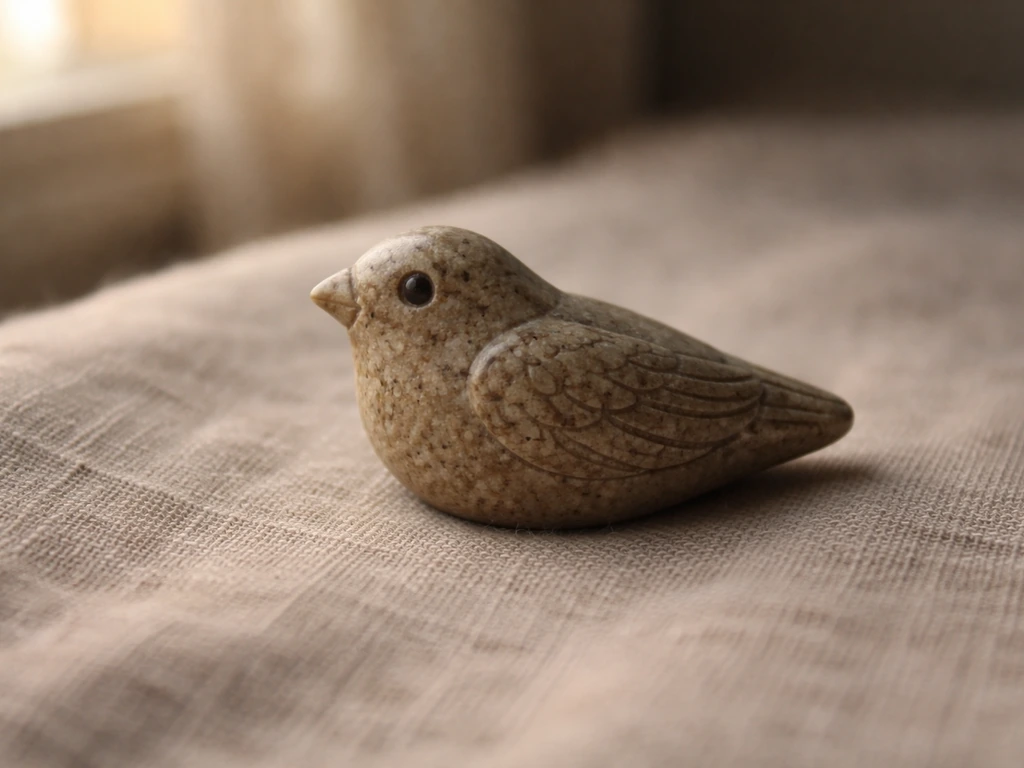
What Was the Purpose of Bird Stones? Spiritual Meaning
Meaning of bird stones in spiritual practice: protection, luck, omens, healing, and how to interpret bird imagery respec

Which Empire Made India Golden Bird Claim: How to Verify
Check which empire is tied to India’s Golden Bird claim, confirm sources, and separate legend, history, and symbolism.