
Bird of paradise (Strelitzia reginae) blooms most heavily in late winter through early spring and again in summer, but under the right conditions it can push out flowers periodically throughout the year. UF/IFAS lists Strelitzia reginae (bird of paradise) as a spring flowering and summer flowering plant spring flowering; summer flowering. If your plant is mature (at least three to five years old), well-lit, and on a consistent care schedule, you can realistically expect blooms across multiple seasons rather than just one concentrated flush.
Bird of Paradise: When Does It Bloom and How to Get Flowers

Eleanor Hartwell
28 Apr 2026
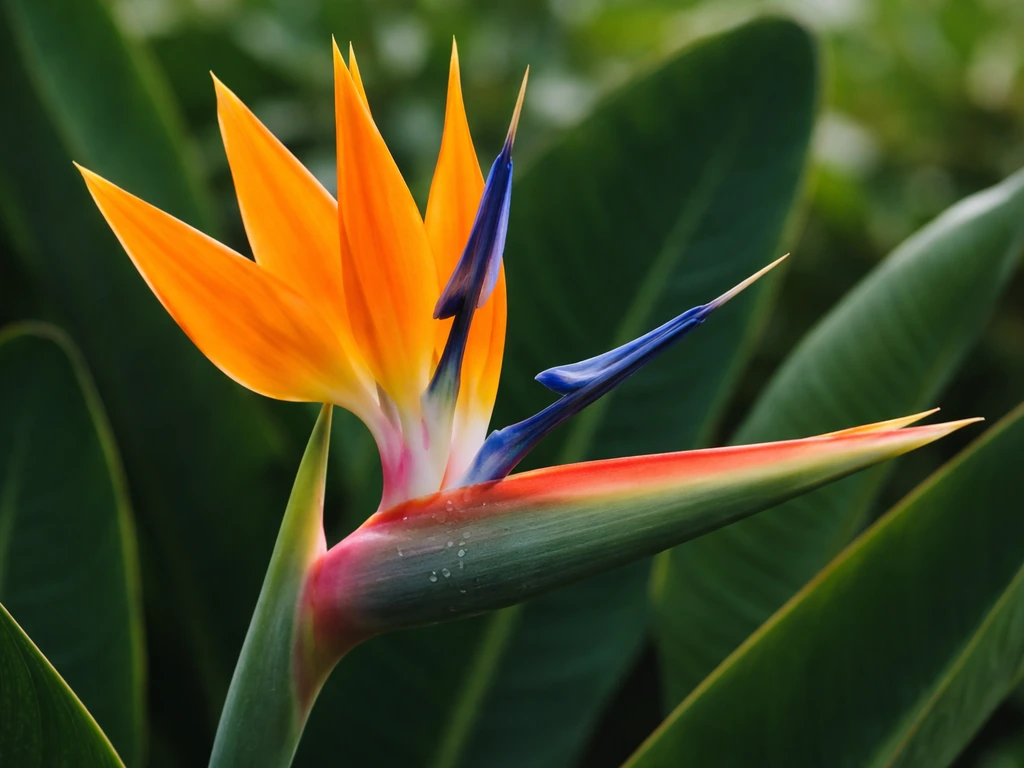
When bird of paradise typically blooms
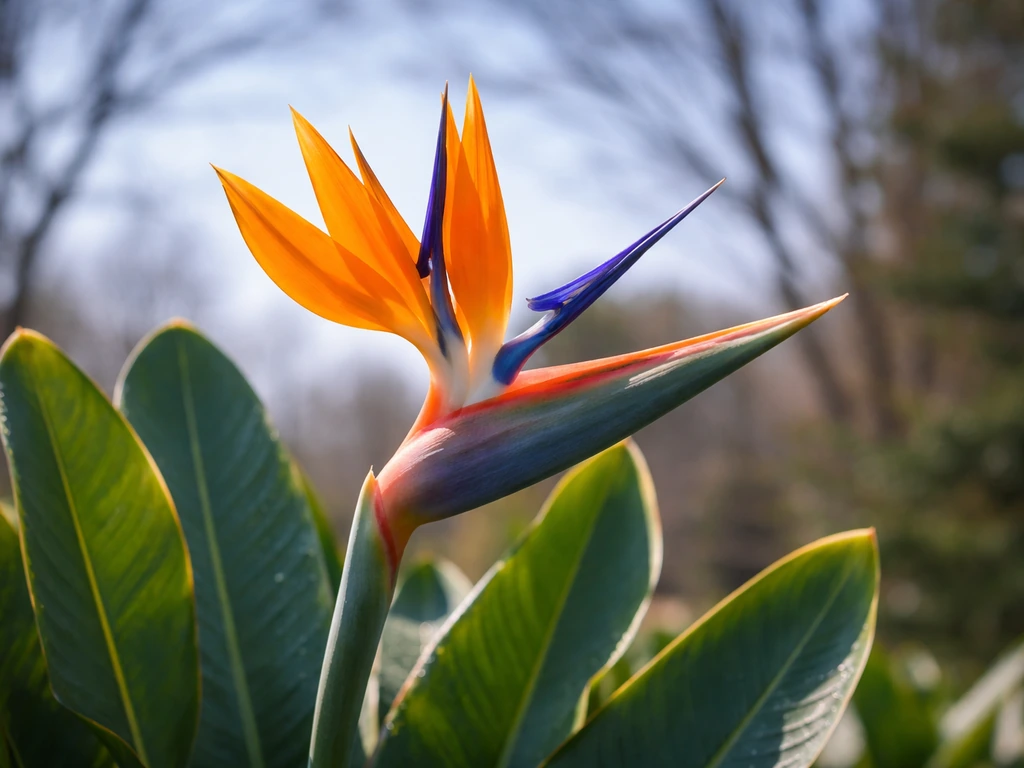
The classic window, confirmed by UC Master Gardener research for zones 9 through 12, is late winter into early spring. University of Florida IFAS research adds summer as a second major flowering period, describing the plant as 'spring flowering' and 'summer flowering' with flowers appearing periodically throughout the year. In warmer climates like Hawaii at lower elevations, flowering continues year-round but peaks in late spring and summer. So if you're in USDA hardiness zones 10 or 11, you're in the sweet spot and can reasonably expect multiple bloom cycles annually. If you're growing it as a houseplant or in a cooler zone, the late-winter-to-spring window is your most reliable target.
One thing worth appreciating symbolically: the bird of paradise flower is named for its resemblance to a tropical bird in flight, which makes the act of blooming feel almost theatrical. In traditions that read bird imagery as signs of transformation or arrival, that first bloom on a long-waited plant carries real weight. But more on that later. Right now, let's talk about how to actually get it to happen.
How to trigger flowering: the four levers that matter
Light
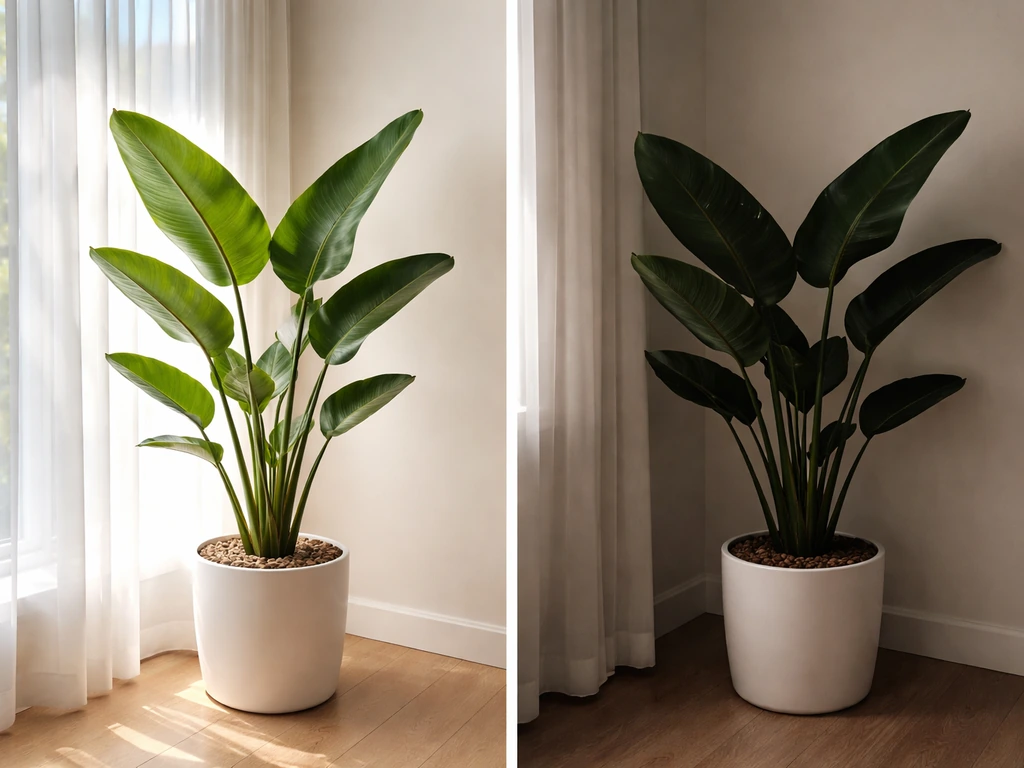
Light is the single biggest factor. Bird of paradise needs full sun outdoors (at least six hours of direct sun daily) or the brightest possible spot indoors, ideally within a foot or two of a south- or west-facing window. Low light is the number one reason established plants refuse to bloom. If your plant is sitting in a corner or more than three feet from a window, it simply won't have the energy to flower. Move it, and give it a few weeks to acclimate before expecting results.
Temperature
Research published in Acta Horticulturae identified the optimum air temperature range for Strelitzia flower production as 17 to 27 degrees Celsius (roughly 63 to 80 degrees Fahrenheit). Temperatures consistently above that range can cause flower bud abortion, meaning buds form but never open. Cold stress below about 50°F also shuts down flowering. If you're in a hot climate and struggling with summer blooms despite good light, this temperature ceiling is likely why. Outdoor plants in intense summer heat often bloom better in spring and fall when temperatures ease back into that ideal range.
Watering
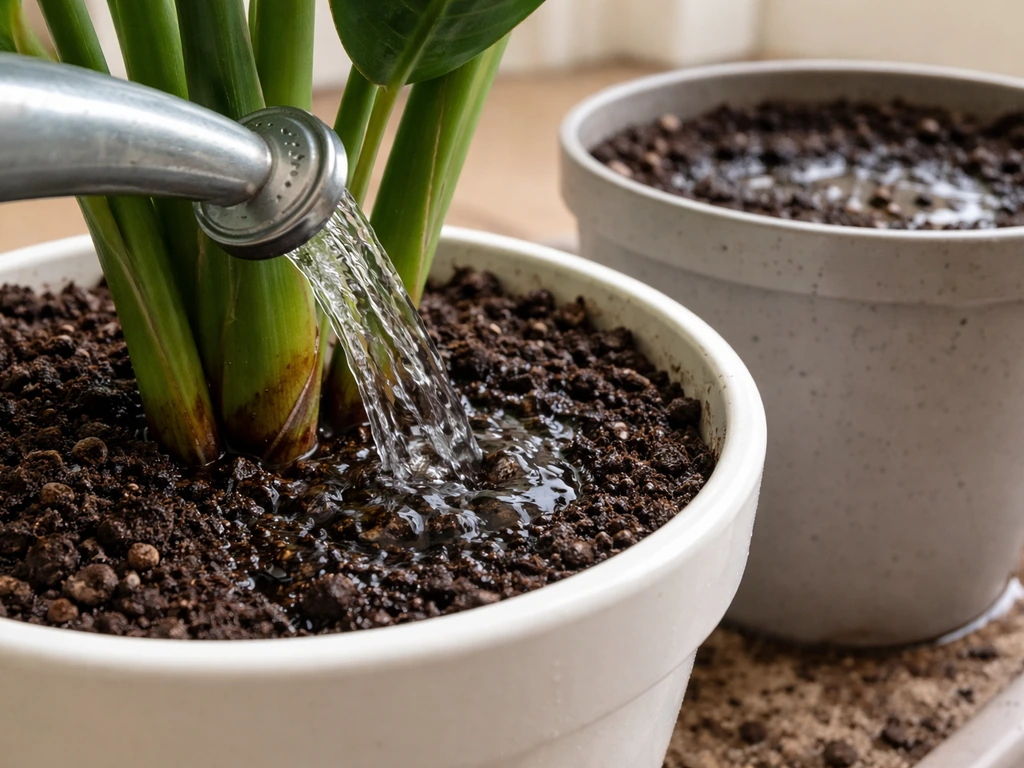
Bird of paradise wants consistent moisture during the growing season (spring and summer) but significantly less water in winter. Overwatering is a common stressor that diverts the plant's energy away from flowering and toward survival. A good rule: water thoroughly when the top two inches of soil feel dry, then let it drain completely. Never let it sit in standing water. In winter, cut back to watering every two to three weeks for potted plants.
Fertilizer
Feed with a balanced fertilizer (something like a 10-10-10 or a formula higher in phosphorus, such as 5-10-5) every two to four weeks from spring through summer. Phosphorus specifically supports root development and bloom production, so a fertilizer that leans toward the middle or high number on the P value is useful when you're trying to push flowers. Don't fertilize in fall and winter. Over-fertilizing with high nitrogen encourages lush foliage at the expense of blooms, so resist the temptation to go heavy.
Young plants vs. established plants: bloom timing by age
If you've just bought or planted a bird of paradise and you're wondering why it hasn't bloomed yet, the honest answer is probably: it's too young. Strelitzia reginae is a slow-growing, clumping perennial. Plants grown from seed can take five to seven years to produce their first flower. Division-grown plants (started from an established clump) typically bloom sooner, often within two to three years, but still require patience. Once a plant is mature and established, it rewards you with repeat flowering cycles year after year. The first bloom is the hardest to get. Everything after that is about maintenance.
| Plant Stage | Typical Time to First Bloom | What to Focus On |
|---|---|---|
| Seed-grown seedling | 5 to 7 years | Light, consistent watering, patience |
| Division / offset plant | 2 to 3 years | Root establishment, bright light, no repotting stress |
| Established clump (3+ years) | Already capable of blooming | Light, feeding schedule, temperature range, root crowding check |
How often bird of paradise blooms
A mature, well-cared-for bird of paradise in a favorable climate can produce multiple bloom cycles per year. The primary peaks are late winter to early spring and again in summer. In warm zones (10 and 11), periodic flowering throughout the year is genuinely possible. Indoors or in cooler climates, you're more likely to see one to two bloom periods annually, with the late-winter flush being the most consistent. Each bloom spike carries one to three individual flowers and lasts several weeks. Removing spent blooms (deadheading) keeps the plant tidy but doesn't directly trigger new spikes the way it does in some other flowering plants.
What most affects repeat blooming is a combination of stable care (consistent light, appropriate watering rhythm, regular feeding) and avoiding major stressors like repotting at the wrong time, root damage, sudden temperature swings, or leaving the plant in too large a pot. Root crowding, interestingly, can actually encourage flowering in bird of paradise, so don't rush to size up the container.
Why your bird of paradise won't bloom (and how to fix it)
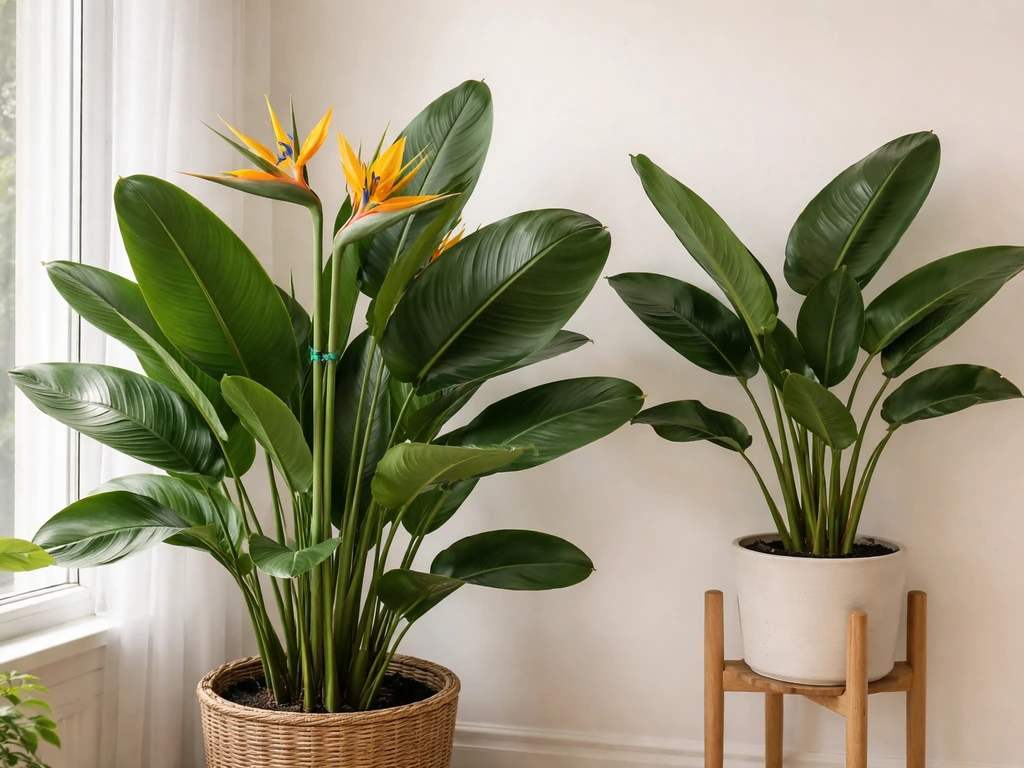
Most non-blooming bird of paradise plants fall into a handful of predictable categories. Here are the most common problems and what to do about each one:
- Not enough light: The fix is straightforward. Move the plant to the brightest spot available. Outdoors means full sun. Indoors means your sunniest south- or west-facing window, supplemented with a grow light if needed.
- Plant is too young: If it's under three years old and was grown from a division, or under five to seven years from seed, it may simply not be ready. Keep up with good care and wait.
- Temperature stress: If summer temperatures regularly exceed 80°F (27°C) in your area, the plant may abort buds. Shade cloth outdoors or moving a potted plant to a slightly cooler spot can help.
- Overwatering or root rot: Check the roots. Healthy roots are white to tan. If they're brown and mushy, you have rot. Unpot the plant, trim affected roots, let them dry slightly, and replant in fresh well-draining mix.
- Nitrogen-heavy fertilizer: Too much nitrogen feeds the leaves, not the flowers. Switch to a balanced or phosphorus-leaning formula and scale back the frequency.
- Pot is too large: This sounds counterintuitive, but bird of paradise actually blooms better when slightly root-bound. If you recently moved it to a much larger container, it may spend a season or two filling that root space before it redirects energy to flowering.
- Recent repotting stress: Repotting often delays blooming by a season. Give the plant time to settle in, keep conditions stable, and don't fertilize heavily right after repotting.
- Cold drafts or inconsistent temperatures: Indoors, keep the plant away from air conditioning vents and cold windows in winter. Aim to stay above 55°F consistently.
A simple care schedule to get flowers and keep them coming
Here's a practical rhythm you can start following right now, regardless of what month it is. The goal is to align your care with the plant's natural seasonal cues.
| Season | Watering | Fertilizing | Light and Temperature Notes |
|---|---|---|---|
| Late winter (Jan–Feb) | Begin increasing frequency as growth resumes | Start feeding every 3 to 4 weeks with balanced fertilizer | Maximize light exposure; this is the lead-up to the primary bloom window |
| Spring (Mar–May) | Water thoroughly when top 2 inches are dry | Feed every 2 to 3 weeks; consider phosphorus-rich formula | Full sun or brightest indoor spot; ideal temperature 63–80°F |
| Summer (Jun–Aug) | Consistent watering; increase slightly in heat | Continue feeding every 2 to 3 weeks through midsummer | Watch for heat stress above 80°F; shade cloth may help outdoors |
| Fall (Sep–Nov) | Begin tapering water as growth slows | Stop fertilizing by late October | Maintain light; start protecting from early cold snaps |
| Winter (Dec–Feb) | Water every 2 to 3 weeks for potted plants | No fertilizing | Keep above 55°F; avoid cold drafts; position for maximum winter light |
If you're starting this in late April (right now), you're actually in one of the best windows to act. Spring is peak growing season for bird of paradise. Get the plant into its brightest possible spot today, check the soil moisture, start a balanced fertilizer regimen if you haven't already, and make sure the temperature around the plant is staying in that 63 to 80°F sweet spot. You may not see a bloom spike for a few weeks, but you'll be setting up everything the plant needs to perform.
The bloom as more than just a flower
For those drawn to this plant partly because of its name and imagery, there's something worth sitting with: the bird of paradise flower looks, unmistakably, like a bird in flight. If you have also heard the phrase “Johnny Carson, may the bird of paradise,” it is a reminder that this plant’s fame can show up far beyond the garden johnny carson may the bird of paradise. May the blue bird of happiness be a comforting reminder that the right care can help good things arrive. The orange petals form a crest, the blue ones a beak, and the whole thing erupts from a green spathe like a creature mid-launch. In the language of symbolism, a plant finally blooming after years of patient tending reads naturally as transformation, arrival, and the moment potential becomes visible. Across many spiritual traditions, birds signal transition and the movement between states of being. The biblical meaning of bird of paradise is often tied to themes of honor, beauty, and divine purpose, depending on the interpretation used in different study traditions birds signal transition. If you've been waiting on this plant and it finally flowers, that feels like something worth marking. If you're also wondering what does the bird of paradise symbolize, you can read how different cultures interpret its imagery alongside the practical bloom triggers.
The flower's meaning runs deeper than aesthetics, and if you're curious about what the bird of paradise symbolizes across cultures and traditions, or the spiritual significance tied to its imagery, those threads are worth exploring on their own. The blessing sometimes associated with birds of paradise, as well as the broader symbolic landscape of what these creatures represent, connects to a rich set of cultural and spiritual ideas that go well beyond the garden. If you want the bird of paradise meaning behind the name and imagery, you can also look up may the bird of paradise meaning as a related way to interpret what it symbolizes.
FAQ
How long does it take to see flowers after I move my bird of paradise to more light?
Plan on a delay of about 4 to 8 weeks after improving light. The plant needs to rebuild energy and form viable flower buds. If nothing shows by late summer, double-check temperature stability and watering rhythm, since bud abortion often happens from heat spikes or inconsistent moisture.
Why do buds form but the flowers never open?
Bud abortion is commonly caused by temperatures outside the ideal 63 to 80°F range (especially sustained heat above it), or by letting the plant swing too dry then too wet. If you see “stuck” buds, focus on stabilizing airflow, avoiding heat from glass windows, and keeping moisture consistent during spring and summer.
Can I force bird of paradise to bloom indoors during the winter?
You can improve odds, but forcing repeat winter blooms is difficult indoors because light intensity and night temperatures are usually insufficient. Use the brightest spot available (often a south window), consider supplemental grow lighting, and avoid cold drafts near the plant. Even with good light, expect the most reliable blooms in late winter to early spring.
Does deadheading spent bird of paradise flowers trigger more blooms?
Deadheading mainly keeps the plant tidy. It does not reliably create new spikes on its own. For repeat flowering, the bigger levers are mature plant size, strong light, correct watering in winter, and regular feeding from spring through summer.
Should I repot to help flowering, or can it delay blooms?
Repotting often delays flowering because it stresses roots. If the plant is already healthy and near its ideal pot size, hold off until you finish a bloom cycle or until the plant is actively growing in spring. If you must repot, use minimal root disturbance and ensure excellent drainage.
Is root crowding really beneficial for bird of paradise flowers?
Yes, mild crowding can encourage flowering because the plant stays focused on reproduction rather than expanding too much bulk growth. The key caveat is not to let roots become waterlogged or severely pot-bound for long periods. A “just snug” pot is often best, while still allowing drainage.
What pot size or container conditions help prevent overwatering and non-blooming?
Use a pot with drainage holes and an airy, well-draining mix. If water stays in the pot longer than necessary, the plant diverts energy from flowering and can develop root issues. In general, choose a size that allows a little room for roots, without being dramatically larger than the root clump.
How should I water in winter if I am trying to get more summer blooms?
Cut back, but do not let the plant stay bone dry. For potted plants, watering roughly every 2 to 3 weeks (based on soil feel) helps prevent root stress. The goal is a drier resting period that supports spring flowering, then return to thorough watering as new growth resumes.
What fertilizer schedule is most likely to produce multiple bloom cycles?
Feed every 2 to 4 weeks from spring through summer, and stop in fall and winter. Use a balanced fertilizer or one with a higher phosphorus number (like 5-10-5 or 10-10-10), and avoid heavy nitrogen rates that promote foliage at the expense of blooms. If your plant is not in active growth, hold feeding until temperatures and light improve.
How can I tell if my bird of paradise is too young to bloom yet?
Seed-grown plants often take 5 to 7 years for first flowering. Division-grown plants typically bloom sooner, often within 2 to 3 years. If your clump is still small with few leaf fans, lack of maturity is the likely bottleneck even when light and watering seem correct.
My bird of paradise is outdoors in a very hot area, what should I adjust first?
Stabilize conditions before changing everything at once. Prioritize bright sun without heat buildup from reflective surfaces, ensure the soil drains quickly, and avoid overwatering during scorching spells. If bud abortion happens repeatedly, aim for cooler microclimates (morning sun with afternoon shade in extreme heat) to keep buds from failing.
Next Articles
May the Bird of Paradise Meaning: Symbolism and Blessings
Meaning of may the bird of paradise: a blessing for joy, good fortune, love, freedom, and authentic living, with example
What Does the Bird of Paradise Symbolize? Meaning and Use
Meaning of bird of paradise symbolism: beauty, joy, freedom, love, confidence, transformation, and spiritual uplift for
May the Bird of Paradise Lyrics Meaning and Chords
May the Bird of Paradise lyrics meaning, themes and bird symbolism plus simple chord tips to play along.