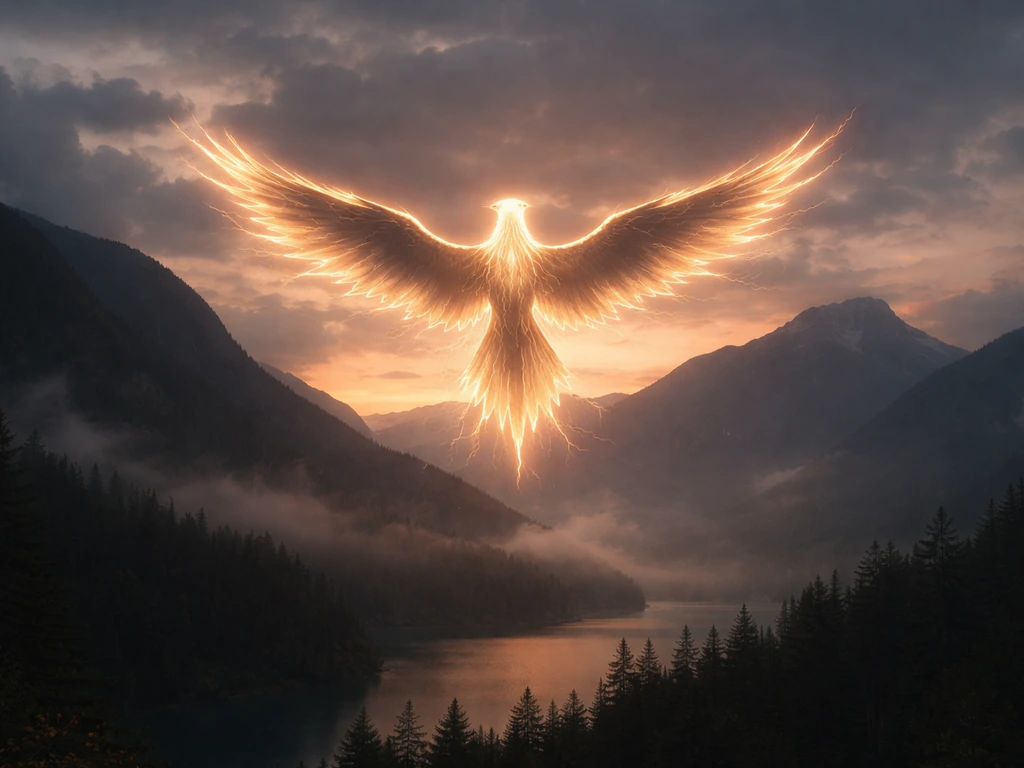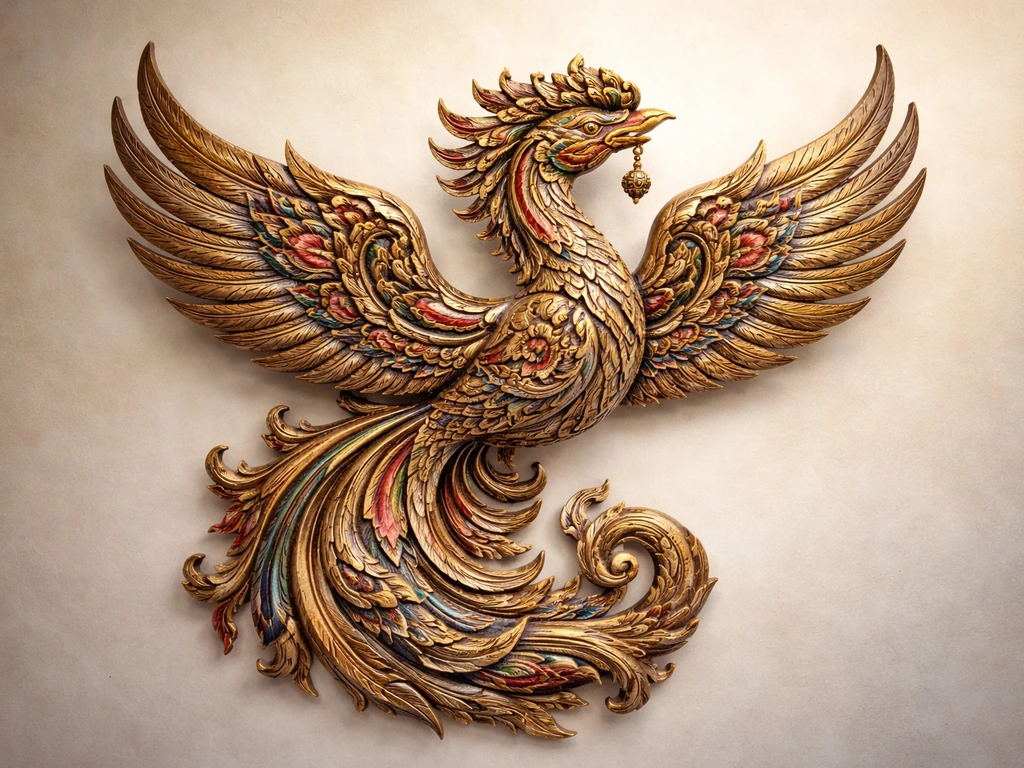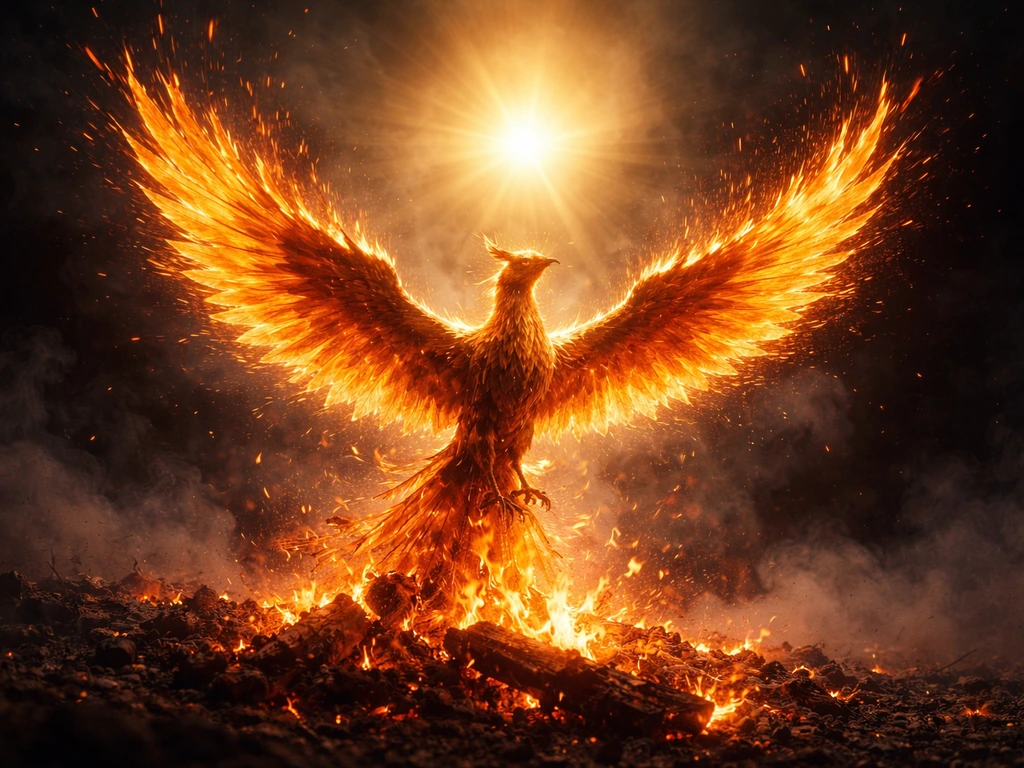
A mythical bird is a legendary or supernatural bird creature found in folklore, religion, literature, or symbolic tradition. Unlike a real species you could spot in a field guide, a mythical bird exists primarily to carry meaning: it represents forces like death and rebirth, divine power, fate, or cosmic scale that ordinary animals can only gesture toward. The phoenix rising from fire, the roc carrying off elephants, the thunderbird summoning storms, these are birds that never needed to be real to matter deeply across thousands of years of human culture.
What Is a Mythical Bird? Meaning, Examples, and Interpretation

Eleanor Hartwell
3 Jun 2026
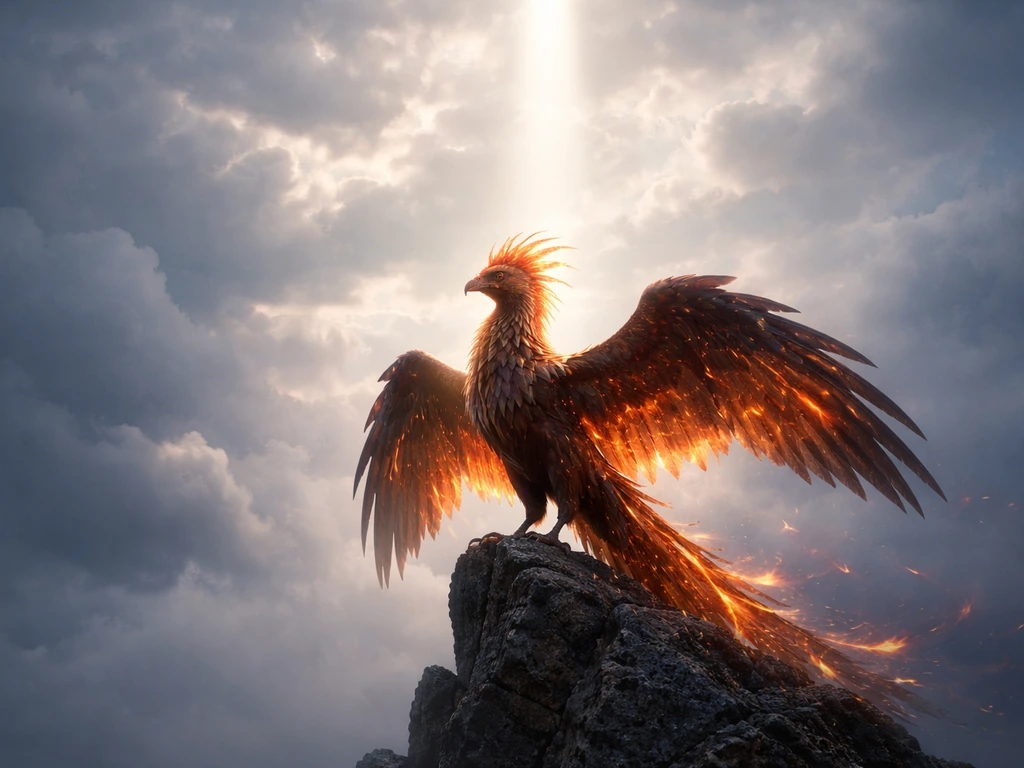
What 'mythical bird' actually means across cultures
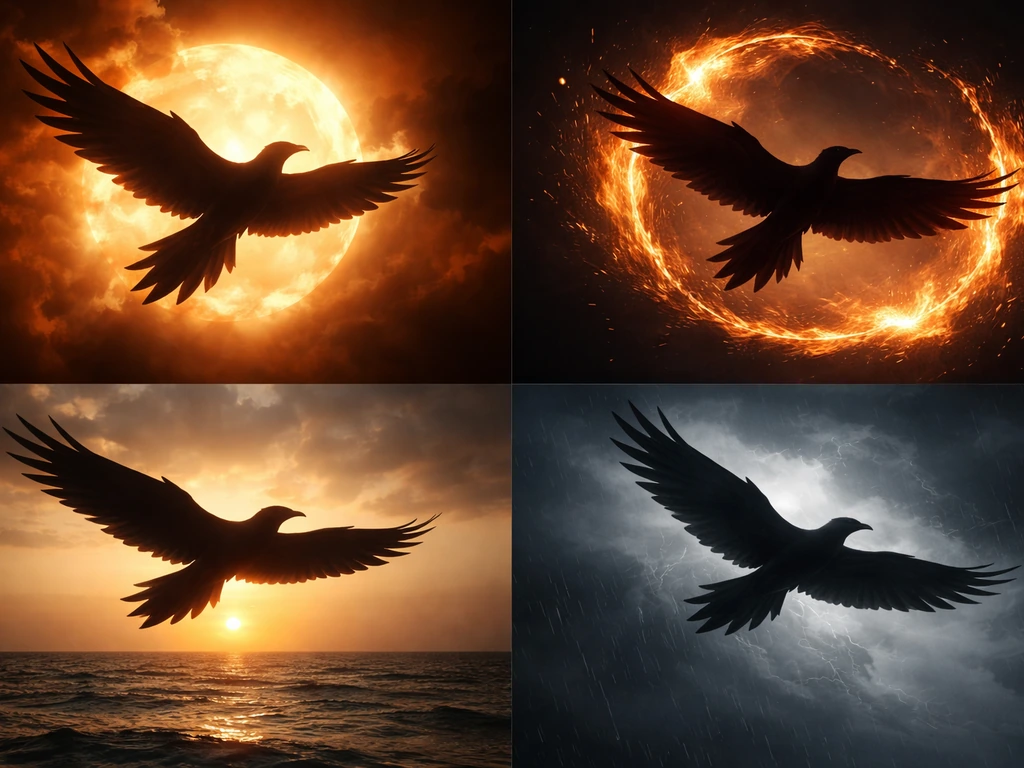
A mythical bird sits at the intersection of two ideas: the universal human fascination with birds as symbols of soul, flight, and the beyond, and the mythological tradition of using animals to explain or embody aspects of the world that feel too large for plain language. Encyclopedic sources describe mythical animals as part of oral traditions and recorded myths across the peoples of the world, where they appear not as zoological claims but as symbolic actors in cosmological stories. In some creation accounts, for example, hills are raised by the flapping wings of a great primordial bird, the bird is doing the work of explaining the landscape through sacred narrative.
Across cultures, birds carry a particularly rich symbolic charge. In the ancient Near East and Greco-Mediterranean world, birds were understood as announcements of creation, founding moments, and divine presence. The soul of the dead, shamanic ancestors, and connections between earthly and divine realms were all expressed through bird imagery. That pattern repeats in Egyptian, Hindu, Native American, Celtic, Aztec, and biblical contexts, which is why the category of 'mythical bird' is genuinely cross-cultural rather than belonging to any one tradition.
The most famous mythical birds and what they symbolize
A handful of mythical birds appear across so many traditions and time periods that they've become the clearest entry points into this subject. Each one carries a distinct symbolic core, though their meanings overlap and borrow from one another.
The phoenix: rebirth and immortality
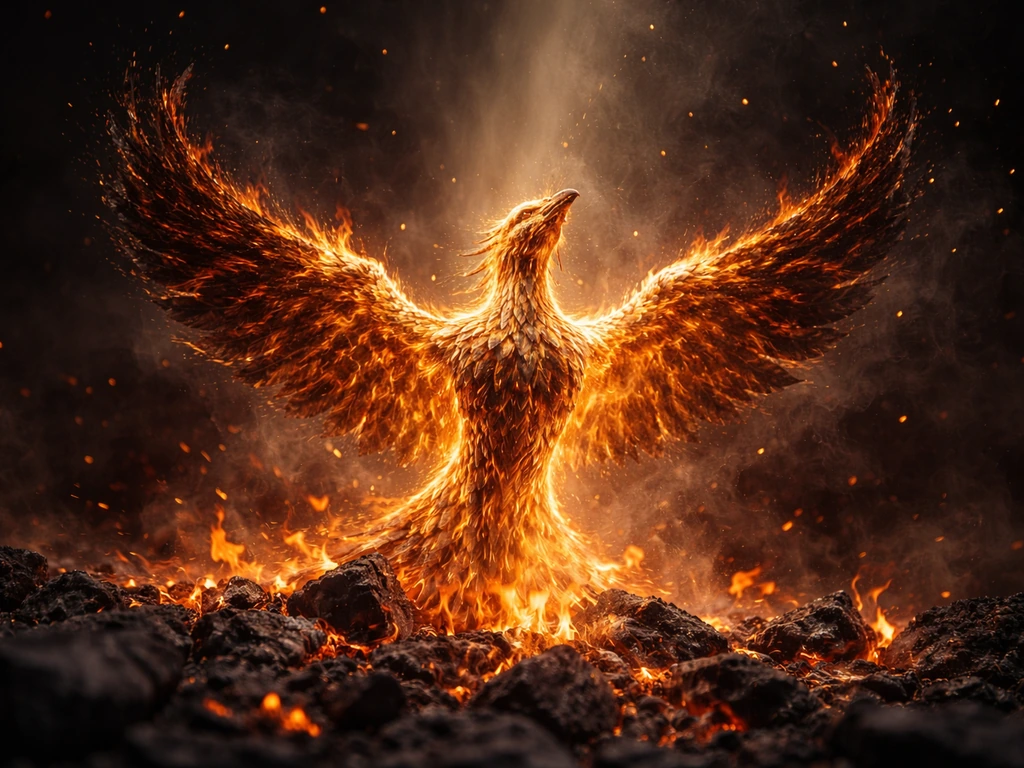
The phoenix is probably the most widely recognized mythical bird in the world. Associated with sun worship in ancient Egypt and carried into Classical antiquity, it is described as a fabulous bird that, at the end of its long life cycle, flies to Heliopolis, immolates itself in an altar fire, and rises again as a new phoenix from the ashes. The Egyptians associated it with immortality, and that symbolism proved so durable that in late antiquity the phoenix appeared on Roman coins as a symbol of the Eternal City, a visual shorthand for the idea that Rome, like the phoenix, could not permanently die. Today, the phoenix is the go-to symbol for transformation, survival through destruction, and cyclical renewal. If you encounter a phoenix in art, a dream, or even a tattoo, the core message is almost always: what ends here is not truly finished.
It is also worth noting that scholars identify the Greek phoenix tradition as likely connected to the Egyptian bennu bird, a sacred heron associated with the sun god Ra and with creation itself. The bennu was not the same creature as the classical phoenix, but the symbolic DNA overlaps clearly, which is a good reminder that mythical birds migrate across cultures and transform along the way, just like the birds themselves.
The roc: immense power and cosmic scale
The roc (also spelled rukh) is a gigantic legendary bird of prey described in Arabian and Persian traditions as large enough to carry off elephants for food. It appears memorably in the stories of Sinbad the Sailor in One Thousand and One Nights, where roc eggs the size of domes and a bird that blots out the sun create an atmosphere of overwhelming natural force. The 1911 Encyclopaedia Britannica connects the roc to the Arabian anka and the Persian simurgh, related mythical birds that share the quality of enormous, awe-inducing scale. In Persian mythology, the simurgh (sometimes spelled simorgh) is large enough to lift an elephant and is associated with wisdom, justice, and divine providence. The roc and its relatives are less about personal transformation and more about the humbling recognition that some forces in the universe vastly exceed human scale.
Garuda: divine vehicle and sacred power
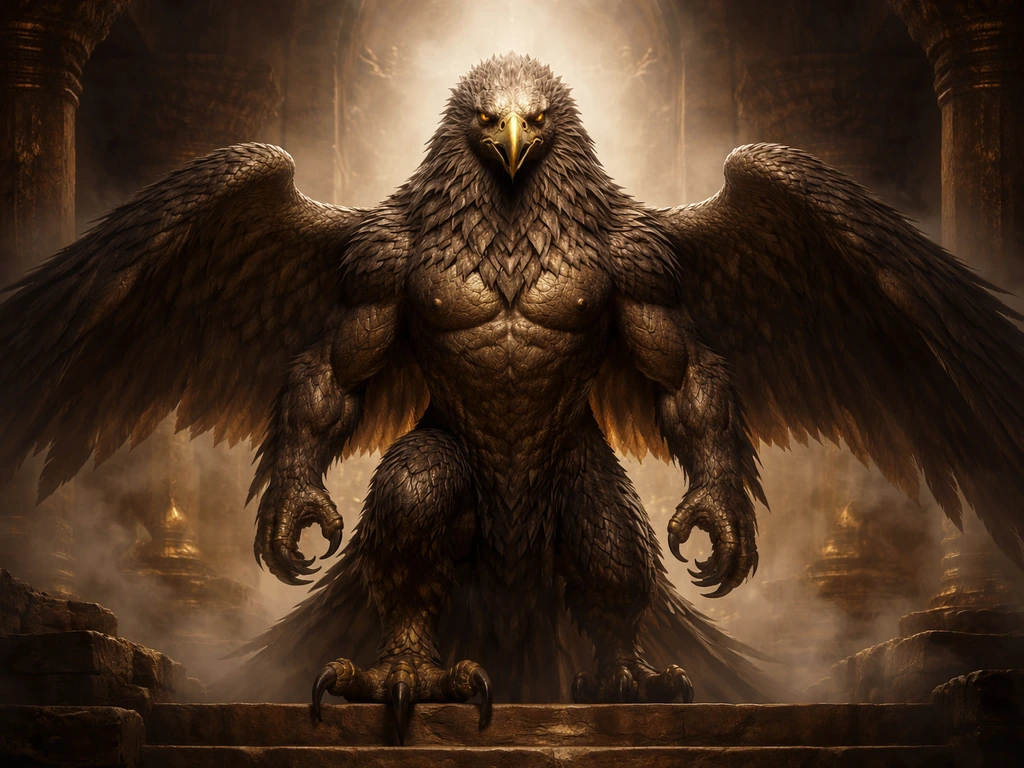
In Hindu mythology, Garuda is described as a massive bird, traditionally with the torso and arms of a man and the wings, head, beak, and talons of an eagle or vulture, who serves as the vahana (sacred mount or vehicle) of the god Vishnu. As Vishnu's bird, Garuda represents divine speed, protection, and the triumph of light over darkness. Garuda is still widely venerated today across South and Southeast Asia, and appears as a national symbol in countries including Indonesia and Thailand. When a mythical bird functions as the literal vehicle of a god, it illustrates something important about the category: these birds are not decorative. They are how divine power moves through the world.
The thunderbird: spirit, storm, and protection
In Native American mythology, the thunderbird is described as a powerful spirit in the form of a bird, associated with storms, lightning, and tremendous force. It is a protector figure in many traditions, capable of both destruction and defense. The Piasa bird is another named mythic bird figure from Indigenous North American tradition, depicted in cliff murals and connected to local legend. These are not simply large birds, they are expressions of the idea that weather, power, and spiritual authority can take a bird form. In a culture that also treats the bald eagle as a sacred symbol of strength, spirituality, and connection to the Creator, the thunderbird sits at the extreme end of that reverence: a bird so powerful it makes thunder with its wings.
Bird figures in Aztec and Celtic traditions
The Aztec god Huitzilopochtli, associated with the sun and war, is often represented in art as either a hummingbird or an eagle, a striking example of how bird imagery can carry deity identity directly. The hummingbird connection is particularly unusual, given that deity is associated with fierce solar power, and it shows how mythical bird symbolism resists simple equations. In Celtic tradition, the goddess Morrígan is closely associated with raven and crow motifs, where birds become omens of battle, fate, and transformation. The raven in this context is less a single creature and more a recurring sign that the boundary between life and death is close.
Mythical birds vs. real animals and other fantasy creatures
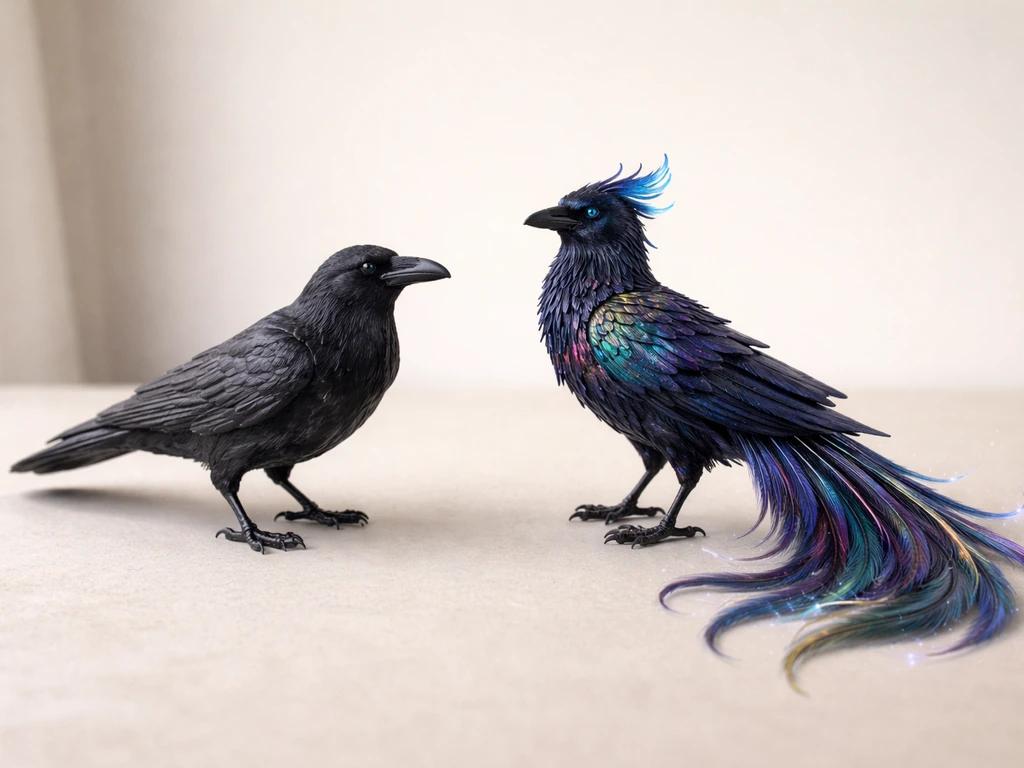
It helps to know what a mythical bird is not, because the boundaries matter for interpretation. A real bird like the bald eagle or the raven can carry powerful symbolic meaning, but it also exists in the biological world, has documented behaviors, and can be encountered in daily life. A mythical bird exists only in tradition, art, and story. The phoenix cannot be found in any ecosystem. The roc does not appear in any fossil record. Their power comes entirely from what they represent, not from physical existence.
Mythical birds also differ from hybrid fantasy creatures, though the line gets blurry. The griffin, for example, combines eagle and lion features and is more typically classified as a hybrid monster than a 'bird' in the mythological sense. Garuda has human features but is consistently categorized as a divine bird. The distinction is partly traditional: if a culture treats the creature primarily as a bird figure with sacred bird symbolism (flight, ascent, feathers, the soul), it functions as a mythical bird regardless of whether it has arms or a human face. Oxford Academic scholarship notes that mythical creatures function not just as foils for heroes but as representations of inexplicable aspects of the natural world, which is why trying to draw sharp lines between a 'pure' mythical bird and a hybrid creature is less useful than asking what symbolic work the creature is doing.
The recurring symbolic themes across mythical birds
If you read across the examples above, several themes keep reappearing regardless of which culture or tradition you're looking at. These are the core symbolic registers that mythical birds tend to occupy.
| Theme | Associated Birds / Traditions | Core Meaning |
|---|---|---|
| Rebirth and transformation | Phoenix (Egyptian, Greco-Roman), bennu (Egyptian) | Death is cyclical; destruction leads to renewal; the self can be remade |
| Immense power and cosmic scale | Roc (Arabian, Persian), simurgh (Persian), thunderbird (Native American) | Some forces exceed human understanding; awe and humility before the vast |
| Divine protection and sacred authority | Garuda (Hindu), thunderbird (Native American), eagle (Aztec) | The divine moves through bird form; birds as vehicles or agents of higher power |
| Fate, prophecy, and omens | Raven/crow (Celtic, Norse), bird augury (ancient Rome) | Birds as messengers between worlds; flight and cries as signs of what comes next |
| Spiritual ascent and transcendence | Flight imagery (cross-cultural), phoenix, Garuda | Flight as the soul leaving the body; birds as bridges between earth and heaven |
| Luck, fortune, and founding | Bennu/phoenix (Egyptian), bird appearances at creation moments (Near East) | Birds announcing new beginnings, blessing places, or marking sacred time |
The prophetic and omen-related theme is worth dwelling on because it often gets overshadowed by the more dramatic rebirth imagery. Ancient Roman augury, the practice of reading the divine will through lightning, thunder, and the flights and cries of birds, shows that birds were understood as living messengers from a realm humans could not directly access. That interpretive instinct carries straight through to modern dream symbolism and the experience of noticing a meaningful bird encounter in everyday life.
How to read mythical birds in spiritual, biblical, and cross-cultural contexts
The first thing to understand is that the same bird can carry radically different meanings depending on the tradition you're reading it through. A raven in Celtic tradition is a bird of fate and battle. In some Indigenous North American traditions, the raven is a trickster and creator figure. In biblical contexts, a raven is the bird Noah sends out first from the ark, a practical scout, not a symbol of darkness. Context is everything, and applying one tradition's meaning to another tradition's bird is a shortcut that usually produces confusion.
In biblical contexts specifically, bird imagery tends toward the spiritual and the domestic rather than the monstrous or the overwhelming. The dove carries the Spirit of God at Jesus's baptism and symbolizes peace, purity, and divine presence. Eagles appear as symbols of God's sustaining power (carrying Israel on 'eagles' wings' in Exodus). The Bible rarely traffics in the kind of cosmic monster-bird imagery you find in Persian or Hindu traditions, though the book of Revelation introduces bird-related apocalyptic imagery that draws on the wider Near Eastern symbolic vocabulary.
Egyptian tradition is where the mythical bird as cosmic actor is perhaps most fully developed. The bennu, associated with the sun god Ra, represented the first sunrise and the moment of creation. Its probable connection to the later phoenix tradition shows how Egyptian bird symbolism seeded Western mythological imagination for millennia. Garuda in Hindu tradition, as discussed above, makes the divine literally visible through bird form. In Aztec tradition, the hummingbird and eagle forms of Huitzilopochtli show that bird imagery could represent both fierce solar power and the delicate precision of a deity operating in the world. These are not separate symbolic systems that happen to use birds, they reflect a genuinely cross-cultural intuition that birds, with their capacity for flight and their movement between earth and sky, are natural carriers for ideas about the soul, the divine, and the invisible world.
Finding what a mythical bird means for you
If you've landed on the idea of mythical birds because you encountered one in a dream, a piece of art, a saying, or a recurring mental image, the most useful thing you can do is resist the impulse to immediately grab a fixed meaning. Jung, whose work on symbols and dream interpretation remains influential in this field, cautioned against ascribing meaning to a dream symbol without clear understanding of the dreamer's personal situation. That same caution applies here: a phoenix image in a dream during a period of personal upheaval means something different from the same image encountered while browsing art history.
That said, there are practical steps that move interpretation forward rather than leaving it vague. Here is a useful sequence for working through a mythical bird encounter:
- Identify the specific bird if possible. Is it a phoenix, a roc, a thunderbird, or a more generic 'great bird'? The specific figure carries specific cultural history that gives you a starting framework.
- Locate the tradition it comes from. A bird from a piece of Persian art brings different associations than the same large bird appearing in a Native American context. When the tradition is unclear, look at the visual details: fire and gold suggest phoenix/Egyptian territory; enormous scale and storms suggest roc or thunderbird territory.
- Match the symbolic theme to your current situation. The six core themes (rebirth, power/scale, divine protection, prophecy/omens, spiritual ascent, luck/founding) are the interpretive vocabulary here. Ask which of these resonates most strongly with what you are currently navigating.
- Check whether the encounter was in art, a dream, a saying, or an actual bird sighting. Mythical bird imagery in art tends to be intentional symbolism placed by a creator. In dreams, it is more personal and associative. In everyday sayings or place names, it often reflects cultural memory. Each context calls for a slightly different interpretive weight.
- Look into the specific tradition in more depth. If you find that the simurgh from Persian mythology resonates with you, read further into Persian tradition specifically — its associations with wisdom, justice, and the protection of heroes like Zal in Firdausi's Shahnameh will give you far more than a general 'large bird = power' shortcut.
- Hold the interpretation as a lens, not a verdict. Bird symbolism, mythical or otherwise, has functioned across cultures as a framework for reflection — a way of asking what this moment might mean — rather than a fixed code that decodes reality.
It is also worth noting that if you are drawn to the idea of legendary birds more broadly, which specific legendary bird is considered the greatest across traditions, or what specific legends say about particular birds, those are adjacent questions with their own rich answers. What is the legendary bird? That question can mean different things depending on culture, but it often points to the most widely known mythical figures and what they symbolize what specific legendary bird. In that broader sense, there is a legend about a bird that people often bring up as an example when discussing how these stories carry symbolic meaning legendary birds. The Maranao people of the Philippines, for example, have their own distinctive legendary bird tradition that functions quite differently from the Persian or Egyptian material, and exploring specific cultural legends in depth almost always turns up meanings that no general overview can fully capture. The Maranao legendary bird is often identified as the sarimanok, a bird associated with beauty, culture, and traditional symbolism in Maranao life.
Flight imagery as a recurring impulse across religions has been described as the human desire to transcend the ordinary and encounter the divine, and mythical birds are perhaps the most concentrated expression of that impulse. They carry everything flight symbolizes (freedom, ascent, the soul's journey, the view from above) and amplify it through scale, fire, storm, or divine association until the meaning is impossible to miss. The practical takeaway is that when a mythical bird appears in your symbolic landscape, it is almost never a minor sign. If you want a quick starting point, the phoenix is often treated as one of the best legendary bird options because it symbolizes rebirth and immortality across many traditions mythical bird appears. Pay attention to which bird, which tradition, and which theme it awakens, and let that be the beginning of a longer conversation with the material.
FAQ
Is a mythical bird ever a real animal, or is it always completely fictional?
It is always fictional as a creature, but its symbolism can overlap with real birds. For example, a culture may use an actually observed bird (like a raven or eagle) to express spiritual ideas, while a mythical bird uses the idea of “birdness” to embody forces that cannot be proven or studied in biology.
How do I interpret a mythical bird I saw in a dream without getting the meaning wrong?
Use “personal context” first: what were you feeling, what was changing in your life, and what other symbols appeared. Then map only the general themes (rebirth, warning, protection, divine presence) rather than adopting a universal definition, because the same bird image can point in opposite directions depending on the dreamer's situation.
If a bird shows up in art or literature, how can I tell whether it’s being used symbolically or as plot-world reality?
Check whether the work treats the creature as impossible within its setting. If the story frames it as a normal part of cosmology (for instance, a divine mount that literally carries the god), it is functioning symbolically within the myth’s “rules,” even if it is not “real” in the physical world.
What’s the easiest way to avoid mixing up meanings between cultures?
Anchor the interpretation to the specific tradition that the bird belongs to. Even when the creature name matches (like “raven”), the symbolic role can change from omen to trickster to messenger, so avoid importing one tradition’s definition into another.
Are mythical birds the same as hybrid creatures like griffins?
They are related but not identical. A griffin is usually categorized as a hybrid monster because it is defined by mixed animal traits, while a mythical bird is defined by consistently bird-centered symbolism, often emphasizing flight, ascent, feathers, and the soul or divine passage, even when it has extra features.
Can a mythical bird have both protection and destruction meanings?
Yes. Many mythical birds operate as dual-force figures, especially storm or war-linked birds (protection can come through defense, destruction can come through righteous punishment). When you interpret one, look for which emotional direction dominates the story or artwork (saving, warning, overpowering, purifying).
Do mythical birds always relate to death and rebirth?
No. That theme is common because birds frequently symbolize transition between states, but mythical birds can also primarily represent authority, divine speed, cosmic creation, fate, or awe-inducing scale. Choose the theme that fits the bird’s actions in its original tradition.
If I want a starting point, is the phoenix the best “first” mythical bird to study?
Often yes, because it strongly and repeatedly connects to transformation and cyclical renewal across multiple later cultural layers. However, if your goal is understanding omens, divine guidance, or weather-linked power, a storm-associated bird figure (like a thunderbird in Indigenous traditions) may match your interest more directly.
What should I do if I only remember a vague description, like “a giant bird,” and not the culture or story?
Work by features, not names. Consider what the bird does (summons storms, lifts people, raises landscapes, carries a god, lays colossal eggs), and then compare that action to the major symbolic registers (omen, creation, protection, rebirth, cosmic scale). This reduces guessing when the exact tradition is unknown.