
Every Egyptian bird hieroglyph can mean at least three different things depending on how it's being used: a specific sound (like a letter or syllable), a silent category label that tells you what kind of word you're reading, or a direct symbol representing the bird itself. When you're staring at an image of a falcon or a vulture carved into stone, the first step isn't to ask 'what does this bird mean spiritually?', it's to ask 'what job is this sign doing in the text?' Once you know that, the meaning clicks into place fast.
Egyptian Bird Hieroglyph Meaning: Guide to Determinatives

Eleanor Hartwell
20 May 2026
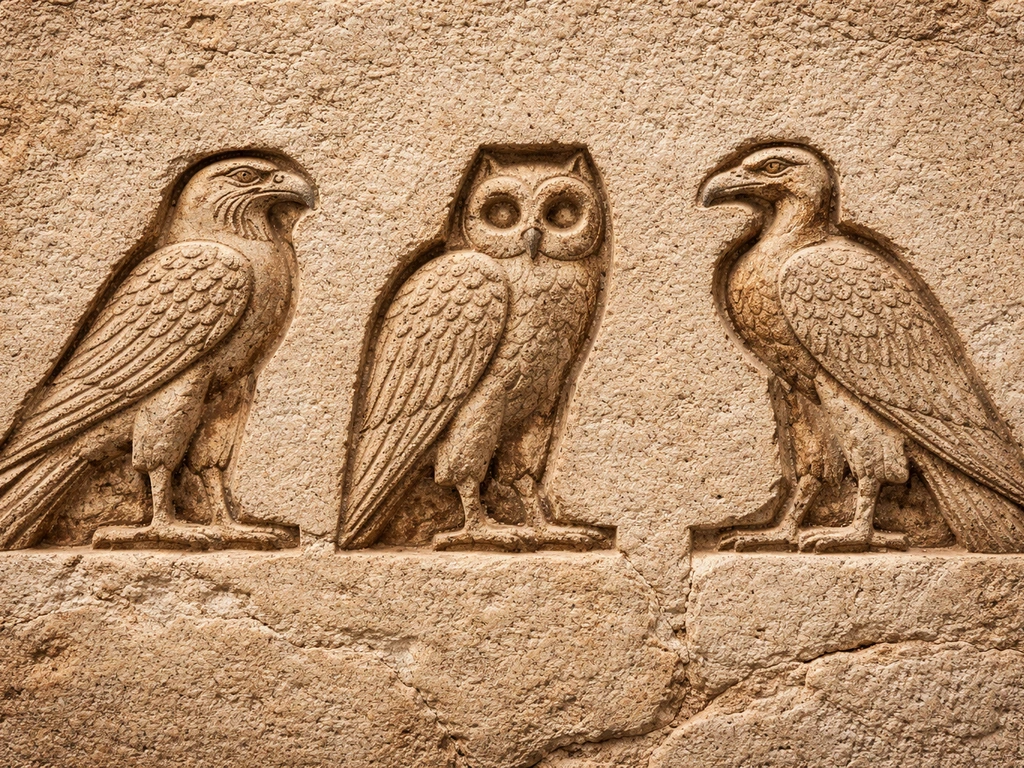
How Egyptian Hieroglyphs Actually Assign Meaning
Egyptian writing is not an alphabet in the way we think of one, and that's the root of most confusion when people try to decode bird glyphs. blank" rel="noopener noreferrer">Signs in the system can do one of three jobs, sometimes more than one at the same time.
- Phonograms: the sign represents a sound — one consonant, two consonants, or three. The sign isn't 'saying' what it pictures; it's lending its sound to a word the way a rebus puzzle works.
- Logograms or ideograms: the sign directly represents the thing or concept it depicts. A picture of a sun can just mean 'sun.'
- Determinatives (also called semantic classifiers): these are silent signs placed at the end of a word that tell the reader what category the word belongs to — bird, god, abstract concept, and so on. They are never pronounced; they just sharpen meaning.
In scholarly transcription, determinatives are typically identified by their Gardiner sign number, a standardized reference system that organizes all hieroglyphs into categories. The bird section runs from G1 onward. Knowing this structure is the single most useful tool you have when you're trying to work out what a bird glyph is doing in a real inscription.
Identifying a Bird Hieroglyph From an Image
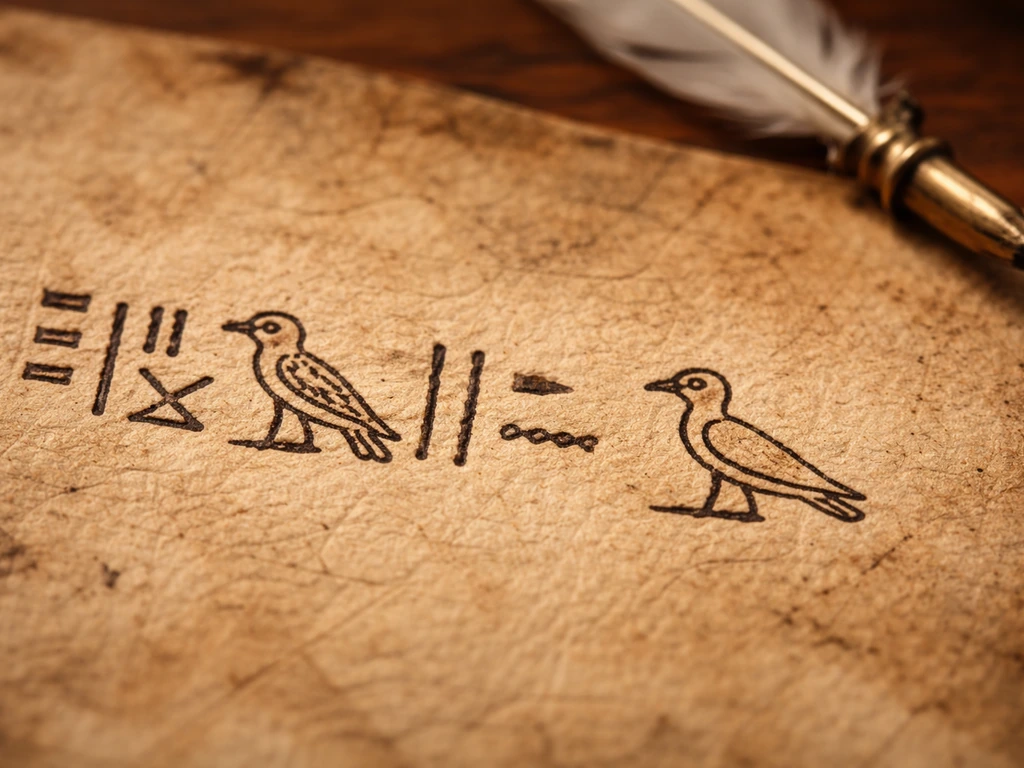
Bird glyphs in Egyptian script are surprisingly detailed, and the differences between them matter enormously. A falcon and an owl might look similar to an untrained eye but represent completely different sounds and meanings. Here's what to look at carefully.
Key visual features to check
- Head shape and profile: Is the head rounded (like an owl) or sharp and angular (like a falcon or hawk)? Does it have a crest, a bald cap, or a wattle near the beak?
- Beak type: Hooked and curved suggests a bird of prey; long and straight suggests a wading bird like an ibis or heron; short and stubby suggests a small passerine.
- Body posture: Is the bird standing upright, crouching, or shown in profile with wings spread? The posture is often diagnostic.
- Leg and foot detail: Talons versus webbed feet versus wading-bird legs are all distinct in Egyptian carving.
- Wing position: Wings folded against the body, partially raised, or fully spread each correspond to different sign identities.
- Tail shape: Fan-shaped, pointed, or squared tails help distinguish species.
- Any additional features: Some bird glyphs include a flail, a sun disk, or other objects that immediately identify the sign as divine or royal in function.
Once you've noted those details, the next step is to match them against Gardiner's Sign List under the 'G' section (Birds). Each entry gives the physical description of the bird depicted, the sign code, and the functions, phonogram, logogram, or determinative, along with the specific readings. This is the most reliable way to confirm an identification.
Common Egyptian Bird Glyphs and What They Mean
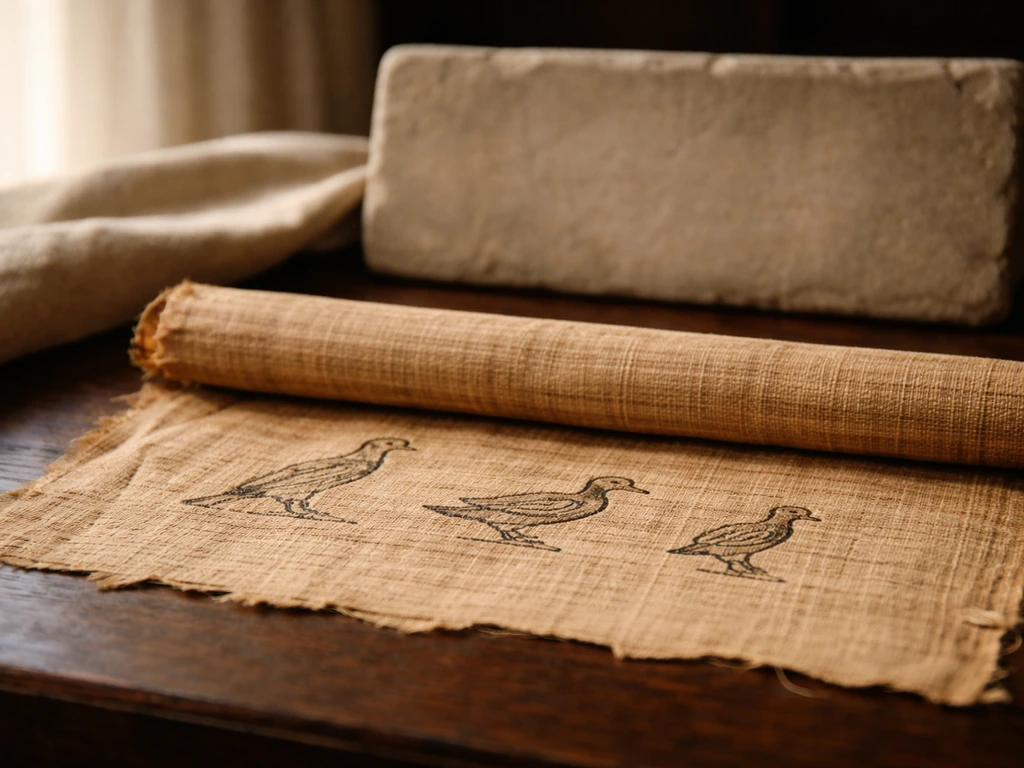
Below is a working reference for the bird hieroglyphs you're most likely to encounter. Note that several birds have more than one sign variant, and each variant can have a different role.
| Bird / Gardiner Code | Bird Depicted | Primary Function(s) | Phonetic Value / Reading | Key Association |
|---|---|---|---|---|
| G1 | Egyptian vulture (Alecto) | Phonogram | ꜣ (aleph sound) | Most common single-consonant sign; frequently used in names and common words |
| G14 | Vulture (Neophron/similar) | Phonogram + Determinative | mt, mwt, mỉwt | Used in words for 'mother' (mwt) and as determinative in 'vulture' (nrt) |
| G5 | Falcon (Horus falcon) | Logogram + Determinative | Hrw (Horus) | Represents Horus directly; used in royal names and divine titles |
| G7 | Falcon on standard | Logogram + Determinative | Divine/royal falcon | Signals divine or royal context; often used as determinative for gods |
| G17 | Owl | Phonogram | m (single consonant) | One of the most common signs; appears constantly in grammatical words |
| G25 | Crested ibis (Akh bird) | Logogram + Phonogram | ꜣḫ (Akh) | Represents the transfigured spirit (Akh); used in words for 'effective' or 'radiant' |
| G26 | Sacred ibis | Logogram + Determinative | Ḏḥwty (Thoth) | Represents Thoth directly; determinative in words related to wisdom/writing |
| G29 | Jabiru stork (Ba bird) | Logogram | Bꜣ (Ba) | Represents the Ba, the aspect of the soul associated with personality |
| G36 | Swallow | Phonogram + Logogram | wr ('great') | Used in the word for 'great'; also appears as a logogram for the bird itself |
| G38 | White goose (Sa goose) | Phonogram + Logogram | sꜣ ('son') | Critical sign in the royal title 'Son of Ra' |
A few things stand out from this list. First, the vulture alone has at least two significant sign variants (G1 and G14) with different phonetic values and roles, a reminder that the same bird species can show up as multiple distinct signs. Second, some birds function almost entirely as phonograms and appear so frequently that their 'bird meaning' is essentially irrelevant to reading, the owl (G17) is just the letter 'm' in most contexts. Third, birds tied to specific deities (the falcon for Horus, the ibis for Thoth) carry both a grammatical function and a layered religious weight.
How Context Changes the Meaning Completely
Finding a bird glyph in isolation tells you only part of the story. The signs surrounding it are what confirm whether it's phonetic, logographic, or functioning as a determinative. Here's a practical approach to reading bird glyphs in context.
Position in the word
Determinatives appear at the end of a word, after the phonetic signs have spelled out the consonants. If you see a bird glyph trailing after a cluster of other signs that appear to spell something out, there's a strong chance the bird is a determinative, silently signaling that the word belongs to the category of birds, flight, or a related concept. If the bird glyph appears at the beginning or middle of a cluster, it's more likely contributing a sound.
What's grouped around it
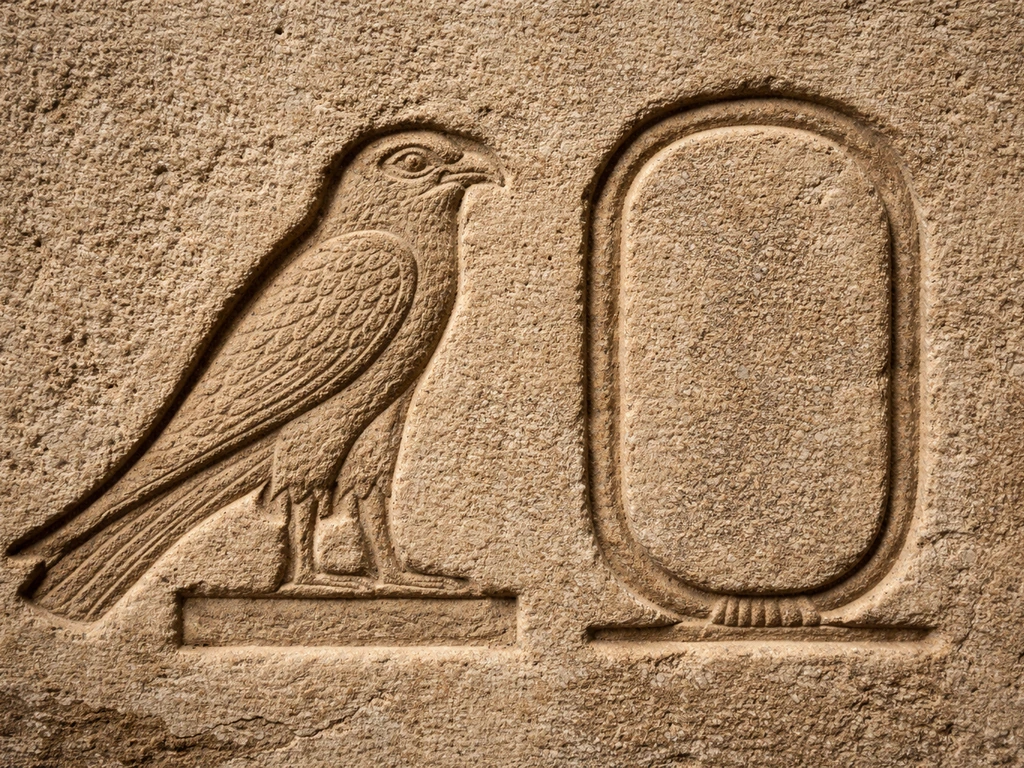
In religious or royal inscriptions, a falcon hieroglyph (G5 or G7) followed by a cartouche signals a divine or royal name context, here, the falcon is functioning almost ideographically, as a marker of Horus's presence. In a more everyday administrative text, the same falcon shape in a different position and combination might be contributing phonetic sounds to a common word. The surrounding script tells you which register you're in.
The type of text matters
Funerary texts like the Book of the Dead, temple wall inscriptions, and royal cartouches lean heavily on ideographic and symbolic uses of bird signs. Administrative papyri and everyday writing lean on phonetic uses. If you're working from an image of a carved temple wall, expect more symbolic and logographic readings. If you're working from a papyrus document, expect more phonetic function.
The Spiritual and Symbolic Layer of Egyptian Bird Hieroglyphs
Beyond the grammatical mechanics, Egyptian birds carry an extraordinary weight of spiritual meaning, and this is where the writing system and religious thought become genuinely inseparable. The Egyptians did not draw a firm line between a sign's practical function and its symbolic resonance. The choice to write a word with a particular bird image was never purely arbitrary.
The falcon was the most exalted bird in the Egyptian symbolic world. As the embodiment of Horus, it represented kingship, divine vision, and solar power. The living pharaoh was considered a manifestation of Horus, so a falcon hieroglyph in a royal name wasn't just a writing convention, it was a theological statement. The imagery of the falcon also ties closely to the concept of the soul's flight and the sharp, far-seeing eye of divine awareness, a theme that echoes across many cultures' bird symbolism.
The ibis (sacred ibis, represented by G26) was the earthly form of Thoth, the god of writing, wisdom, and the measurement of time. Using the ibis hieroglyph in a text was, in a sense, invoking the god of writing himself. This layering of deity, symbol, and written sign is quintessentially Egyptian. The ibis appears alongside other sacred birds worth exploring in the broader question of which birds were regarded as sacred in ancient Egypt. Different sacred birds in ancient Egypt included the wading birds, such as the sacred ibis, which were linked to gods and spiritual ideas which birds were regarded as sacred in ancient Egypt.
The Akh bird (G25, the crested ibis) represents one of the most philosophically rich concepts in Egyptian thought: the Akh, the transfigured, luminous spirit of the deceased who has successfully passed through judgment and joined the eternal realm. When you see this bird glyph in a funerary text, it's not just a sound, it's a complete cosmological concept rendered visible. The Ba (G29, the jabiru stork) is equally layered, representing the individual personality-soul that could move between the living and the dead, often depicted as a human-headed bird hovering over a mummy. The wading bird that was sacred in ancient Egypt connects to this whole network of soul-concepts tied to specific bird forms.
The vulture, particularly the goddess Nekhbet, was a protective maternal force associated with Upper Egypt and the pharaoh's crown. When a vulture hieroglyph (G14) appears in a religious or royal context, it carries the symbolic weight of divine motherhood and protection, even as it's spelling out a sound. This dual function, simultaneously phonetic and symbolically resonant, is the hallmark of Egyptian writing at its most sophisticated.
The swallow (G36), while used phonetically for the word 'great,' was also a symbol of the soul and of faithful return, a bird that was believed to announce the arrival of the dead in the underworld. The goose, particularly the Sa goose (G38), tied directly to creation mythology and solar theology, as the primordial goose (the 'Great Cackler') was said to have laid the cosmic egg from which the sun was born. These connections are why Egyptian bird symbolism resonates so strongly even thousands of years later.
How to Look Up a Bird Glyph Quickly and Reliably
If you're trying to identify a specific bird glyph today, here's a reliable workflow that doesn't require formal training in Egyptology.
- Start with Gardiner's Sign List (Section G): This is the foundational reference for all hieroglyphs. The 'G' section covers birds specifically. You can find the list in Sir Alan Gardiner's 'Egyptian Grammar' (still in print and widely available), and many digitized versions are available through university library portals and Egyptology reference sites.
- Use the physical description to narrow your search: Gardiner's entries describe the bird's depicted features in detail. Match what you see — beak shape, posture, crest, wing position — against those descriptions to home in on the sign code.
- Check the 'Functions' field for each candidate sign: Once you have a likely Gardiner code, confirm whether the sign is listed as a phonogram, logogram, or determinative (or a combination). This tells you the range of roles it can play.
- Cross-check with an Egyptian-English dictionary: Faulkner's 'A Concise Dictionary of Middle Egyptian' is the standard portable reference. If you find the bird glyph used in a word, look the word up in Faulkner to confirm meaning and context.
- Use online sign lists for speed: The Thesaurus Linguae Aegyptiae (TLA) and resources like JSesh (a free hieroglyph editor with built-in sign list) let you browse and compare signs digitally. The MdC (Manuel de Codage) system assigns each Gardiner sign a text code (e.g., G1, G17) that you can use to search these tools.
- Consult context from the source: If you're working from a photograph of an inscription, try to identify the text's genre (funerary, royal, religious, administrative) and time period. This shapes which sign readings are most likely.
Common Mistakes When Decoding Bird Hieroglyphs
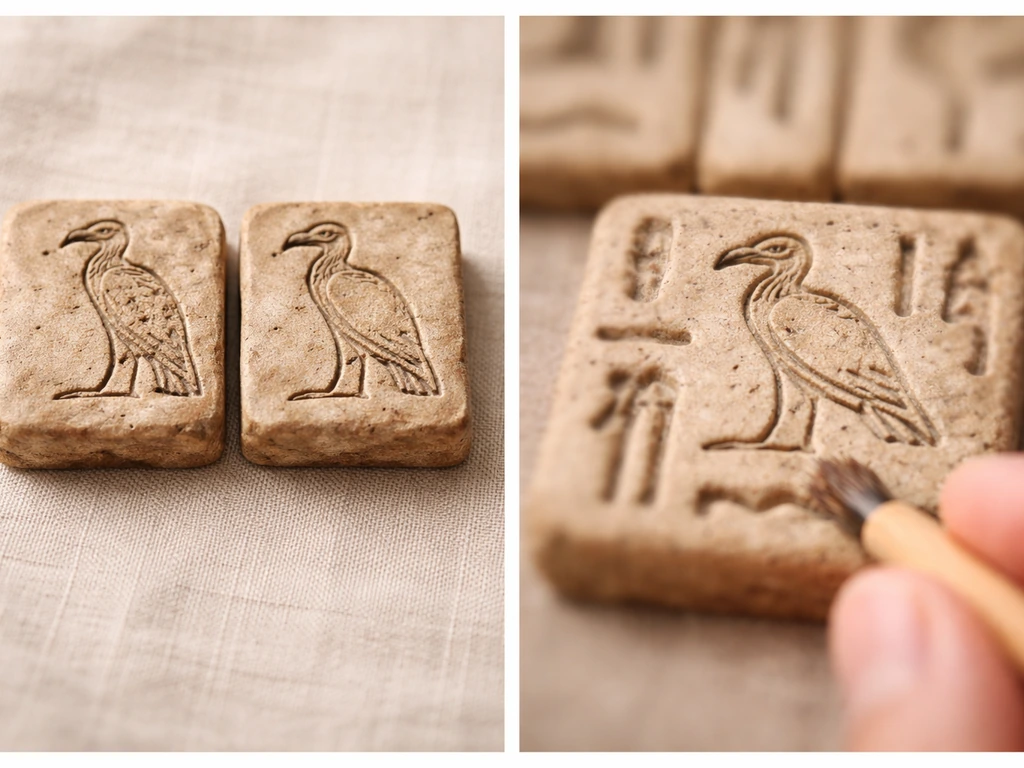
Even with the right tools, a few predictable errors trip people up. Here's what to watch for.
Confusing similar bird species
The two vulture signs (G1 and G14) look similar but have completely different phonetic values: G1 gives the aleph sound (ꜣ) while G14 gives 'mt/mwt. In Gardiner’s sign list, bird form G5 is labeled "FALCON, Hrw" and its physical features vary across the head, back, wing, tail, and wattle details Gardiner sign G5 is labeled "FALCON, Hrw". ' Confusing them changes your reading of a word entirely. Similarly, the falcon family of signs (G5, G7, and others) can be easy to conflate. Always check the fine physical details, wattle, tail, foot position, before committing to a sign identification.
Assuming every bird glyph has a spiritual meaning
The owl (G17) appears dozens of times in any given Egyptian text and means nothing more than the consonant 'm' in most of those appearances. If you treat every owl glyph as spiritually significant, you'll misread grammatical connectors, prepositions, and suffixes as deep symbolic messages. The spiritual layer is real and important, but it only applies when the sign is functioning logographically or determinatively in a religious context, not when it's just serving as a phoneme.
Ignoring determinatives
Beginners often try to 'sound out' every sign in sequence, including the determinatives. Since determinatives are silent, this produces garbled nonsense. If you see a bird glyph at the end of a word cluster that already seems to spell something coherent, ask yourself whether the bird is a silent classifier rather than an additional phoneme. This single insight fixes a surprisingly large number of translation errors.
Mixing up writing-system meaning with modern spiritual interpretation
There's a real and valuable distinction between what a bird glyph means grammatically in an ancient Egyptian text and what Egyptian birds have come to symbolize in modern spiritual traditions. hamsa bird meaning modern spiritual traditions. The falcon as Horus carries enormous symbolic weight in Egyptian religious thought, that's well-documented and historically grounded. But attributing meanings from modern esoteric traditions back onto an ancient inscription as though they're equivalent is a different kind of claim. The article on Horus bird meaning explores this symbolic tradition in depth. Keep the two layers clearly separated: first establish the grammatical function, then layer in the theological and symbolic significance in its proper cultural context.
Assuming a single translation is definitive
Egyptian hieroglyphic writing evolved over roughly three thousand years, and sign values shifted over time. A sign used one way in Old Kingdom texts may be used differently in New Kingdom or Late Period texts. Always note the time period of your source inscription if possible, and cross-check with period-specific resources when precision matters.
Putting It All Together
When you're looking at an Egyptian bird hieroglyph and want to know what it means, work through a quick mental checklist: identify the bird's physical features, match them to a Gardiner sign code, check the sign's function (phonogram, logogram, or determinative), then read it in context with the surrounding signs and the type of text you're examining. That process gives you the grammatical meaning. Then, separately, consider the bird's symbolic and theological associations, the falcon's connection to Horus and kingship, the ibis's link to Thoth and wisdom, the Ba bird's role in soul theology, the vulture's association with divine maternal protection. Those two layers together, the linguistic and the spiritual, are what make Egyptian bird hieroglyphs one of the richest symbol systems any culture has ever produced.
If you're exploring Egyptian bird symbolism more broadly, the sacred birds of ancient Egypt sit within a much wider network of meaning that includes figures like the sphinx bird, the hamsa bird, and the symbolic birds found across African and Near Eastern traditions. Each of those threads connects back to a fundamental human instinct: to see in birds something that moves between worlds, carrying meaning from one realm to another.
FAQ
How can I tell if a bird sign is acting as a determinative versus a silent category label in a specific word?
Look for the bird after the consonantal “spelling” finishes. If the bird appears at the end of the word, after phonetic signs that already make a readable consonant sequence, treat it as a classifier. If it appears mid-word, it is more likely contributing a phonetic value, and if you can identify nearby phonograms, you can usually confirm the split by checking whether the bird would otherwise be a redundant extra phoneme.
What should I do if I do not have Gardiner sign numbers for my image of a bird hieroglyph?
Use physical features first, not the “bird idea.” Compare parts like head angle, tail shape, leg/foot position, and whether the bird is shown standing, sitting, or with specific markings (wattle, crest, or wing posture). Once you narrow to a small set, then compare the sign to a bird-sorted sign list, or match repeated forms to common phonograms you recognize in the same inscription.
Why do the same bird species seem to have different meanings across inscriptions?
In Egyptian writing, “bird meaning” is not one fixed value. The same depicted bird can correspond to different sign variants with different phonetic values or different grammatical roles (phonogram, logogram, or determinative). Also, multiple birds can be close in appearance, so small carving differences can indicate a different sign rather than the same sign with a new “symbolic meaning.”
Can I read bird hieroglyphs by sound only, like I would read letters?
Not reliably. Bird signs can be phonograms, but determinatives are silent and must not be “sounded out.” A common mistake is trying to pronounce every sign in order, which especially breaks translations when a bird classifier appears at the end of a word. A safer approach is to identify the phonetic cluster first, then treat the trailing bird as a non-sounding category marker.
How do I avoid mixing up similar-looking vulture signs (and other bird lookalikes)?
Do a micro-check of distinguishing features before deciding. For the two vulture signs discussed in the article, confusion often comes from seeing “vulture” at a glance rather than verifying the precise form that matches the intended sign variant. If your image resolution is low, compare the bird’s body and head orientation, tail/wing detailing, and leg placement to confirm the correct variant before translating the word.
My bird glyph is part of a cartouche or royal name. Does the bird automatically have a divine or royal meaning?
It often signals that the passage is in a royal or divine naming register, but you still need to check the bird’s grammatical function in that specific instance. A falcon in a royal context may operate with ideographic force as the article describes, yet the surrounding signs determine how it functions in the sentence. Confirm by checking what else is in the name frame (cartouche markers and neighboring phonograms) so you do not over-attribute symbolism where the sign is only serving phonetic roles.
Are bird meanings different in funerary texts compared with administrative documents?
Yes, the balance shifts. Funerary, temple, and royal contexts tend to use ideographic and symbolic layering more strongly, including bird signs tied to afterlife concepts. Administrative and everyday writing tends to rely more on phonetic values, so a bird may behave like a common consonant module. When translating, base your interpretation on text type first, then on the sign’s position in the word.
Does the symbolic meaning of a bird in modern spirituality match what the original Egyptians intended?
Not automatically. Modern spiritual frameworks can reuse Egyptian bird imagery, but that does not mean the same meaning was intended in the ancient inscription. Your priority should be grammatical function in context, then cultural and religious associations within the ancient system. Treat modern “hamsa bird” or “Horus bird” ideas as secondary unless you can demonstrate they align with how the sign is used linguistically in your specific text.
Why does my translation change when I change the time period or dynasty of the inscription?
Because sign usage and values can shift across history. A bird sign that functions one way in an earlier period can behave differently later, including changes in phonetic value or preferred roles. If you know the dynasty or century from the inscription, use a period-appropriate resource or sign list and cross-check with multiple occurrences of the same sign within the same document.
What is a quick step-by-step workflow I can follow for one unknown bird hieroglyph?
1) Note the bird’s physical details (tail/feet/crest/wattle and orientation). 2) Match it to the closest sign variant from a bird-sorted sign list if possible. 3) Determine whether it is likely a phonogram, logogram, or determinative by its position in the word (especially whether it trails the phonetic spelling). 4) Read the word using the surrounding phonetic signs and the document type. 5) Only after you have the grammatical reading, add the appropriate symbolic or theological layer if that bird is known for such associations in that context.
Next Articles

Wading Bird Sacred in Ancient Egypt: Identify and Meaning
Identify Egypt’s sacred wading bird and its symbolism, from life-giving waters to order and rebirth meanings.
Hamsa Bird Meaning: What It Likely Refers To and How to Use It
Hamsa bird meaning clarified: protective Hand of Hamsa vs bird symbolism, how to identify the artwork and use it mindful
Which Bird Was Regarded Sacred in Ancient Egypt?
Ancient Egypt’s sacred birds: ibis for Thoth and falcon for Horus, with context, verification tips, and art-symbol match