A bird perched on or near a Christmas tree is widely regarded as a good luck sign, and that interpretation holds up across a surprising number of traditions. The short version: birds have symbolized messages from the divine, blessings for the household, and protection for the living in cultures stretching from Celtic Europe to ancient Egypt to the Americas. When one appears at Christmastime, near the symbolic tree at the center of the season, most traditions read it as an auspicious moment. If you have heard the phrase "celtic thunder bird without wings" and want its specific interpretation, look up the celtic thunder bird without wings meaning as well. The species matters, the bird's behavior matters, and so does your own reaction to the encounter. But if your gut feeling when you spotted it was wonder or warmth, trust that. This guide will help you interpret exactly what you saw.
Bird on Christmas Tree Good Luck: Meaning and What to Do

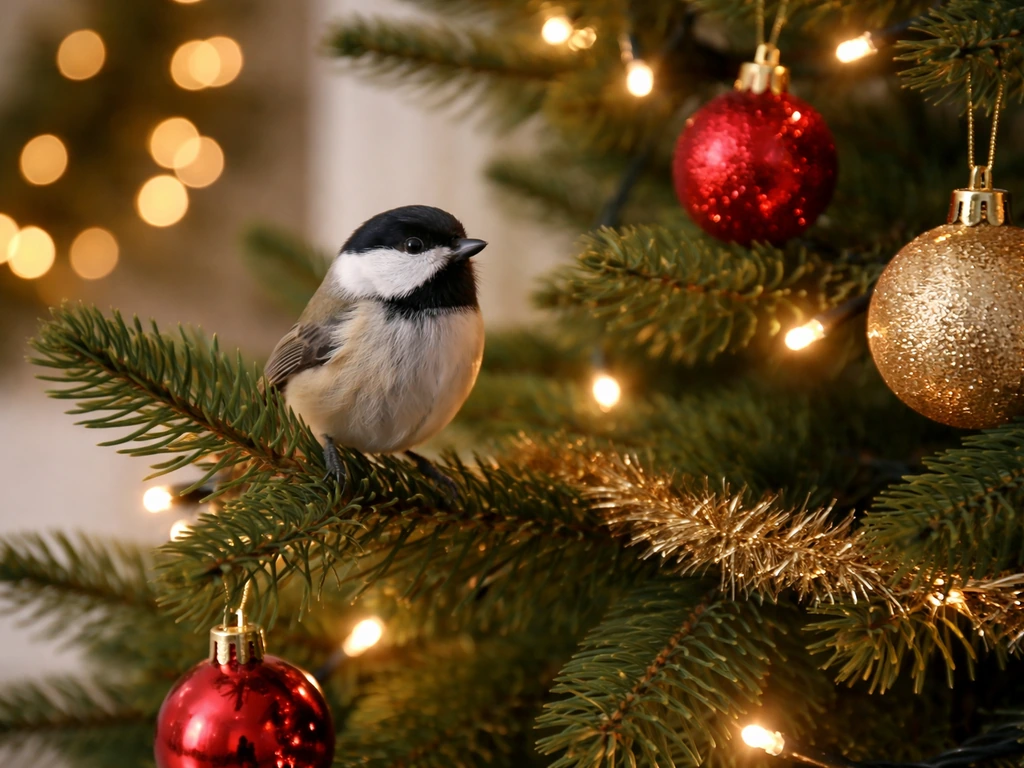
What a bird on a Christmas tree actually means symbolically
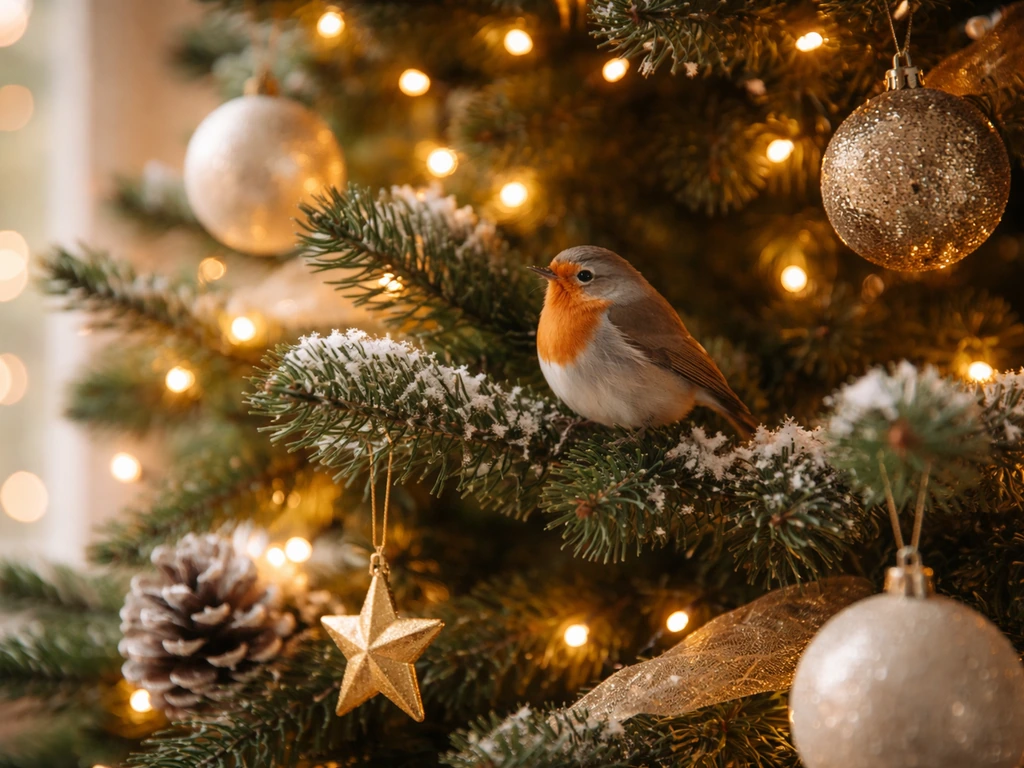
The Christmas tree itself is layered with pre-Christian and Christian meaning: the evergreen that refuses to die through winter, a symbol of enduring life, hope, and the promise of renewal. Birds carry their own symbolic freight that goes back just as far. In the symbolic language that most world traditions share, birds sit at the intersection of earth and sky. They are messengers, souls in transit, and living proof that something small and warm-blooded can rise above ordinary life. When a bird chooses to perch in a Christmas tree, those two symbol systems collide in a way that feels, to almost anyone paying attention, significant.
In European folk tradition, birds nesting in or near the home at any time of year signaled domestic blessing and coming good fortune. The Christmas season specifically amplifies that reading: the timing places the encounter at the threshold between the old year and the new, which is when signs and omens carry the most interpretive weight across nearly every culture that tracks them. A bird choosing your tree, or appearing near it at that liminal moment, is symbolically equivalent to a blessing arriving at the door.
There is also a specifically Christian layer here. The bird as a symbol of the Holy Spirit, particularly in the form of the dove, runs through centuries of iconography. Medieval and Renaissance artists placed birds in or above the nativity scene and in depictions of the Annunciation with deliberate intent: birds represented divine presence descending into the domestic world. A bird near your Christmas tree echoes that imagery in a lived, present-tense way.
Which bird species changes the meaning
Not every bird carries the same symbolic charge, and species identification genuinely shifts the interpretation. Here is how the most common Christmas-season birds tend to be read:
| Bird | Core symbolic meaning | Good luck reading at Christmastime |
|---|---|---|
| Cardinal | Vitality, the presence of a loved one who has passed, divine love | Strong good luck; one of the most universally positive omens in North American bird symbolism, especially in winter |
| Robin | New beginnings, hope, the returning life force of spring | Very positive; in British and Irish tradition the robin is specifically a Christmas bird, tied to renewal and fresh starts |
| Dove | Peace, the Holy Spirit, purity | Deeply auspicious; the most overtly spiritual of all Christmas birds, signals harmony and divine attention |
| Blue Jay | Clarity, confidence, vocal truth-telling | Generally positive; read as a call to speak your needs clearly in the coming year |
| Wren | Resourcefulness, humility, good luck despite small size | Positive; in Celtic and British folk tradition the wren was ritually honored at the winter solstice and Christmas |
| Sparrow | Community, everyday blessing, simplicity | Gently positive; a reminder that luck is found in small moments, not grand gestures |
| Crow or Raven | Intelligence, transformation, messages from beyond the ordinary | Ambiguous but not negative; in Norse and Celtic traditions, crows and ravens are respected messengers, not harbingers of doom |
The cardinal is probably the bird most people are thinking of when they search this topic, and for good reason. In North American folk tradition, a cardinal appearing in winter is almost universally interpreted as a good luck sign or as a visit from someone who has passed on. The red against the green of an evergreen tree is one of the most striking natural images the season produces, and that visual power is part of why the symbolism feels so immediate. If cardinals and general bird luck interest you, there is a lot more to explore in the dedicated symbolism of cardinals specifically.
The wren deserves a special mention here. In Celtic tradition, the wren was called the king of birds, and the St. Stephen's Day custom of 'hunting the wren' on December 26th placed this small bird at the ceremonial heart of the Christmas season for centuries in Ireland, Wales, and parts of Britain. A wren near your tree is not random: it carries the weight of one of the oldest bird-and-winter-solstice traditions in Western Europe.
How different spiritual traditions read birds at Christmastime
Christianity framed the bird most explicitly through the dove, but bird symbolism in winter is not exclusively Christian. Several traditions overlap at the Christmas season in ways that reinforce rather than contradict the good luck reading.
- Christian tradition: The dove represents the Holy Spirit and divine peace. Birds appearing at sacred moments signal divine presence. The 'Twelve Days of Christmas' song itself places birds (partridge, doves, calling birds) at the center of the seasonal gift-giving imagery, which is not accidental—birds were conscious symbols of grace and abundance.
- Celtic tradition: Birds were believed to carry messages between the living world and the Otherworld, especially at liminal seasonal moments like the winter solstice and the days surrounding it. A bird appearing at your threshold, near your hearth's symbolic equivalent, was a message worth heeding.
- Norse tradition: Ravens and other birds were associated with Odin and with divine intelligence. Winter birds specifically were read as signs navigating between worlds, since the Norse cosmology placed great significance on the dark half of the year as a time of spiritual visibility.
- Native American traditions: While traditions vary widely by nation, many place birds as spiritual messengers and intermediaries. Winter birds, which persist through hardship, are often interpreted as signs of endurance and coming provision.
- General folk belief across Europe: Birds entering the domestic space were read as visiting spirits, especially of deceased relatives. This belief is remarkably consistent across cultures that had no contact with each other, which suggests it may rest on something broadly human about the experience of birds appearing at intimate moments.
What is striking about all of these frameworks is that none of them read a bird near the household tree in winter as a negative sign. The crane, another bird with deep symbolic weight across Asian and European traditions, is worth noting here too: in many traditions it represents longevity and good fortune, and a crane appearing near the home at the new year is specifically auspicious in East Asian belief systems.
What to do right now if a bird is actually in or near your tree
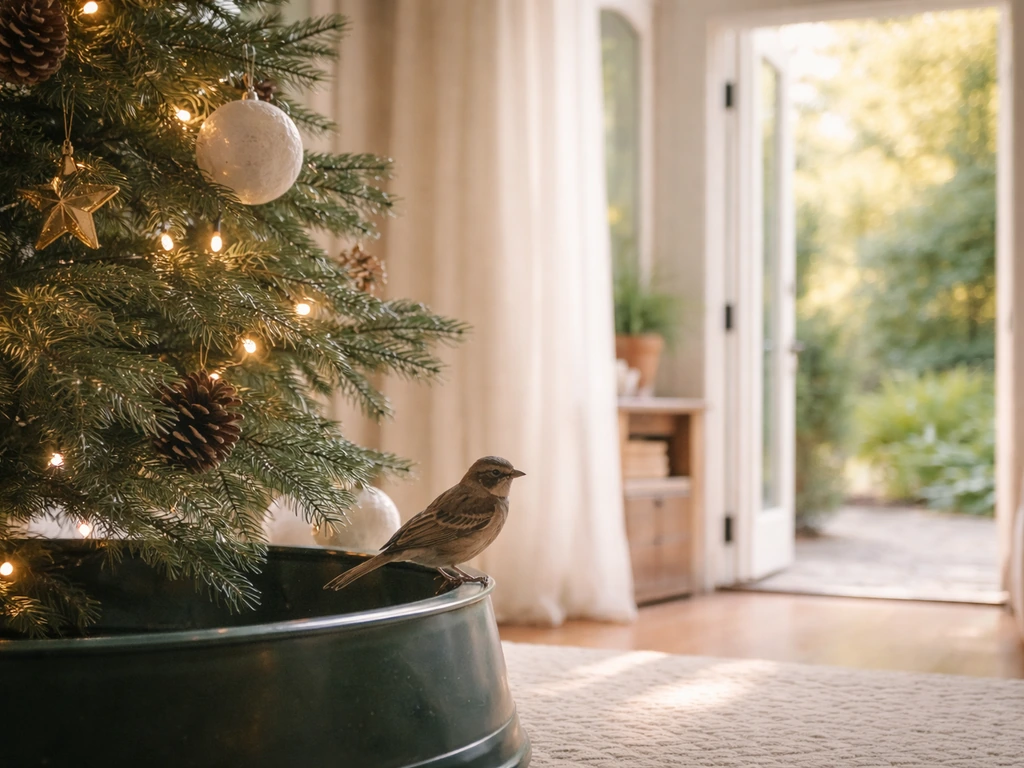
The symbolic reading and the practical situation are two different tracks, and you need to handle the practical one first. Here is the distinction: is the bird inside your home, outside near an outdoor tree, or near a window that faces your tree?
Bird inside your home near the tree
If a bird has flown inside, the priority is giving it a clear exit route without stressing it into injury. Close all interior doors so the bird is contained in one room. Then open an exterior door or remove the screen from a window to create an obvious escape route. Turn off any interior lights or reduce them, because birds navigate toward light and a bright exterior opening will guide it out. Do not chase the bird or try to grab it. Step back and give it space. Most birds will find their way out within a few minutes once they can see daylight and have a clear path.
Bird that hit a window near the tree
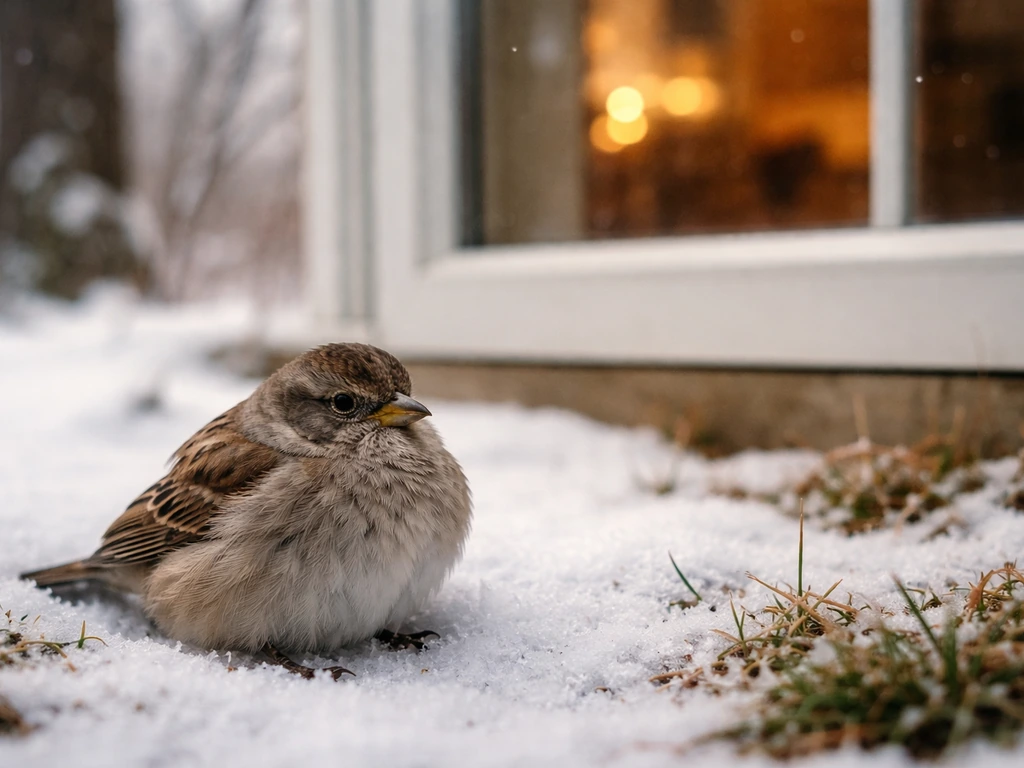
Window collisions are unfortunately common in winter when birds are navigating unfamiliar territory near lit-up homes. Tufts Wildlife Clinic explains that birds hit windows partly because they see the landscape and sky reflected in the glass but do not recognize the transparent barrier as dangerous. If a bird hit your window and is sitting dazed nearby, give it 10 to 20 minutes in a quiet, protected spot to recover. Place it gently (using a cloth or light gloves) in a small cardboard box with air holes if there are cats or other predators around, then set it somewhere quiet and dim. If it does not fly after a reasonable recovery window, or if you see obvious injury, contact a licensed wildlife rehabilitator. To reduce future strikes, drawing curtains or shades on windows that reflect the outdoor tree, or applying window decals, makes the glass more visible to birds.
Bird that appears injured or cannot fly
Do not attempt to care for an injured wild bird beyond providing immediate safety. Keep it warm, keep it away from pets and children, minimize handling, and call a wildlife rehabilitator as soon as possible. If the bird is injured or cannot fly, Wildlife Center of Virginia recommends that you seek medical attention from a permitted wildlife rehabilitator or veterinarian because injuries can be hard to diagnose quickly and may worsen later Keeping Your Windows Safe for Birds. Most areas have a local Audubon chapter or wildlife care center that can direct you to a licensed rehabilitator quickly. An injured bird is not a bad omen: it is a creature that needs help, and the practical response takes precedence.
Bird outside near an outdoor tree
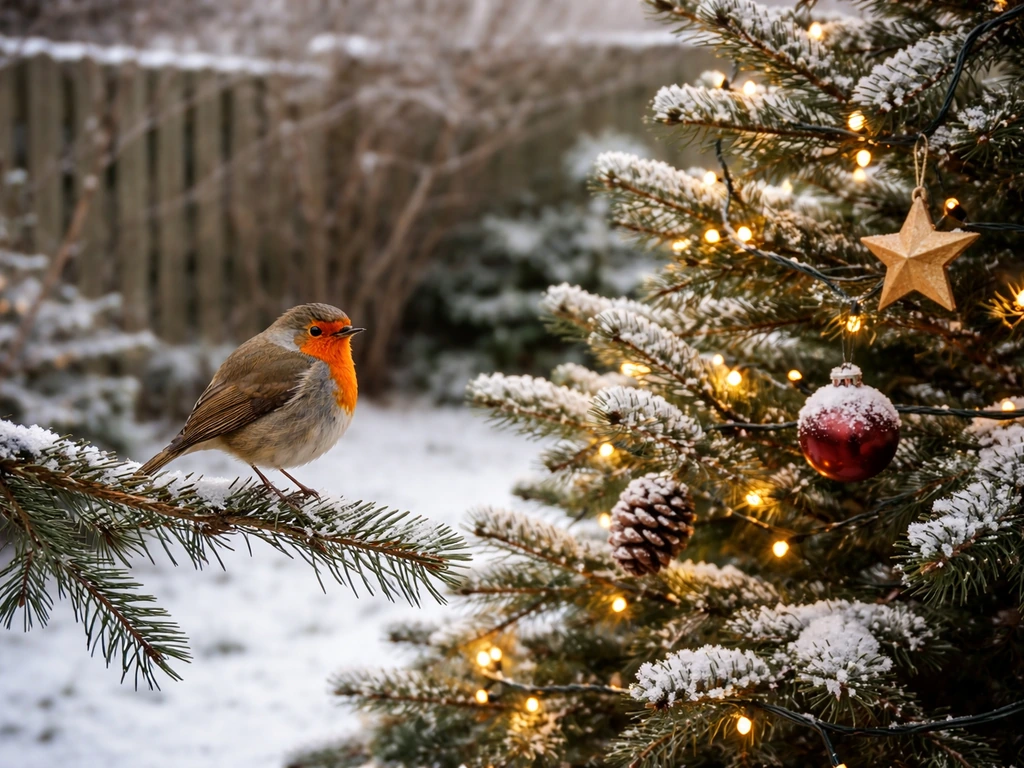
If the bird is perched in or near an outdoor Christmas tree and appears healthy, there is nothing to do except observe it. Note the species if you can, notice its behavior, and let the encounter unfold on its own terms. A healthy wild bird does not need intervention. Your job here is entirely interpretive.
Birds, feathers, and 'bird on tree' imagery in art and everyday life
The visual of a bird perched in a tree is one of the oldest recurring images in human art. From Egyptian hieroglyphs to medieval illuminated manuscripts to Japanese woodblock prints to Victorian Christmas cards, the bird-in-tree composition carries a consistent emotional register: watchfulness, presence, peace. It is not an accident that this image keeps appearing across cultures and centuries. Something about a small warm creature resting in branches speaks to something most people recognize as meaningful.
In Victorian-era Christmas decorations, which shaped many of the traditions still practiced today, glass bird ornaments were among the most prized tree decorations. These ornaments, often with spun-glass tails and clip-on feet, depicted birds perched in the branches as a deliberate good luck symbol. The tradition came largely from German glassblowers in the Lauscha region, where bird ornaments specifically represented luck, blessing, and protection for the household through the winter. So if you have a bird ornament on your tree, you are participating in a symbolic tradition with a very specific good luck intent behind it.
Feathers found near the tree carry symbolic weight too. Across many traditions, finding a feather is read as a message or a sign that something significant is nearby. A feather near your Christmas tree, especially during the days closest to December 25th or the winter solstice, sits in the same interpretive category as a live bird encounter: something arrived at a meaningful threshold and left evidence of its presence.
How to interpret the sign using context
Symbolic interpretation is not one-size-fits-all, and the circumstances of the encounter genuinely change what it might mean to you. Here are the contextual factors worth paying attention to:
Timing
A bird appearing in the days closest to Christmas, the winter solstice, or New Year's carries more interpretive weight than one appearing in, say, mid-November. Liminal moments, the transitions between seasons and years, are when most traditions believe the symbolic world is most accessible to ordinary experience. A bird at the threshold of the new year is specifically read as a message about what is coming, not what has passed.
The bird's behavior
How the bird behaved during the encounter shifts the reading significantly. A bird that perches calmly and seems to look at you, or that sings, is read across traditions as a direct message: something is being communicated with intention. A bird that pecks or forages near the tree is more associated with provision and abundance. A bird that flies in a circle above the tree before landing is a classic messenger pattern in folk symbolism. A frantic bird trying to escape through closed windows is usually just a bird that needs help rather than a symbol, and practical rescue takes priority over interpretation.
Your emotional response
This one is underrated in most symbolic guides. Your gut reaction to the encounter, before you started analyzing it, is data. Most traditions that work with bird symbolism treat the witness's emotional response as part of the sign itself. A feeling of calm, warmth, recognition, or even sudden clarity when you saw the bird points toward a positive, affirming message. If you were wondering whether blowing a kiss at a red bird is good luck, the same principle applies: your intention and emotional response are part of how the sign is read is blowing a kiss at a red bird good luck. A feeling of unease is worth sitting with too, not as a negative omen but as a prompt to pay attention to something you may be avoiding. The bird does not create the meaning: it surfaces it.
Who came to mind
One of the most consistent folk beliefs about birds at Christmas is that they carry the presence of loved ones who have died. If a specific person came to your mind when you saw the bird, that is not coincidence in most symbolic frameworks. It is the point of the encounter. Many people who search for 'bird on Christmas tree good luck' are actually asking whether the bird they saw represents someone they miss. The honest answer, across many traditions, is: possibly yes, and it is worth accepting that possibility as a comfort rather than dismissing it.
However you interpret what you saw, the encounter holds up across every framework this site works within: birds at seasonal thresholds near sacred household objects are read as meaningful, positive, and worth marking. Pause, observe, note the species, notice your feelings, and let the image sit with you. The sign is most useful when you give it room to mean something specific to your life, rather than rushing to a generic interpretation.
FAQ
What should I do if the bird is outside near my tree but won’t move, like it seems “stuck” on the branches?
First check for the practical safety cues. If it looks alert and breathing normally, give it space and keep pets inside. If it is crouched, drooping, or unable to grip, do not try to pick it up. Instead, watch from a distance and contact a local wildlife rehabilitator for the safest guidance, because some conditions (entanglement in lights or a leg injury) require careful professional handling.
Is it “bad luck” if the bird looks frantic or keeps flying around the house or tree?
A frantic bird is usually a safety issue, not an omen. Winter collisions and disorientation are common near lit homes, so prioritize making exits visible and reducing confusion (dim indoor lights, open a door or remove a screen, and keep people away). You can still treat your feelings as part of the sign, but don’t replace safety steps with symbolism.
How long should I wait before assuming something is wrong after a window collision?
If the bird hit the glass, wait about 10 to 20 minutes in a quiet, dim spot, watching for normal breathing and the ability to stand. If it does not recover enough to fly after a reasonable rest period, or if you see obvious injury (bleeding, crossed wings, severe limp), contact a licensed wildlife rehabilitator rather than trying to “wait it out” longer.
Can I keep the bird ornament on the tree if it looks damaged, like cracked glass or loose parts?
Yes, but treat broken ornaments as a safety and welfare issue for pets and people. If a glass piece can fall off, move it higher or remove it until it is stable. If it is actually an imitation that contains tiny removable pieces, keep it out of reach to prevent choking hazards, since the symbolic meaning is not worth risking anyone’s safety.
Does the meaning change if the bird is an obvious pet bird, like it is tame or has a band?
It can. The “good luck” readings in most traditions are aimed at wild birds showing up naturally. If the bird is clearly owned or appears to be a domesticated species, treat it as a human-related situation (return it, contact the owner, or follow local guidance) rather than a spiritual message, because the symbol depends on context.
Should I feed the bird when it is near the Christmas tree to “help” the sign along?
Not automatically. If it is a wild bird and it looks healthy, best practice is to observe rather than interfere. If you choose to offer food, use appropriate winter bird feed and clean water away from doorways and windows, and avoid placing food in a way that attracts predators. Feeding can also change bird behavior, so it’s better as a separate, planned step than an immediate reaction to a single encounter.
If I spot a bird near the tree on a day that is not close to Christmas or New Year, does it lose all meaning?
Not necessarily. Many traditions treat the December threshold as more “charge-filled,” but a mid-November or random-timing visit can still be interpreted. Use the same framework but downgrade certainty, focus on your emotional response and the bird’s behavior, and consider it more of a prompt than a guaranteed “seasonal message.”
What if I cannot identify the species, can I still interpret the encounter?
Yes. If you cannot identify it, anchor your interpretation in observable behavior (perching calmly, foraging, singing, flying a circle) and the emotional tone you felt. Species identification can add specificity, but it is not required for a meaningful reading, especially when the bird’s behavior is clear.
Is it okay to make a wish or ask a question when the bird is there?
That is usually fine if you keep it grounded. The traditions that frame birds as messengers often work well with intention, so you can quietly set an intention or ask for clarity. Just avoid making high-stakes decisions based solely on the encounter, and treat it as a reflective cue, not a substitute for practical choices.

Interpret crane bird good luck by context and behavior, then apply with simple intention, gratitude, and mindful steps.
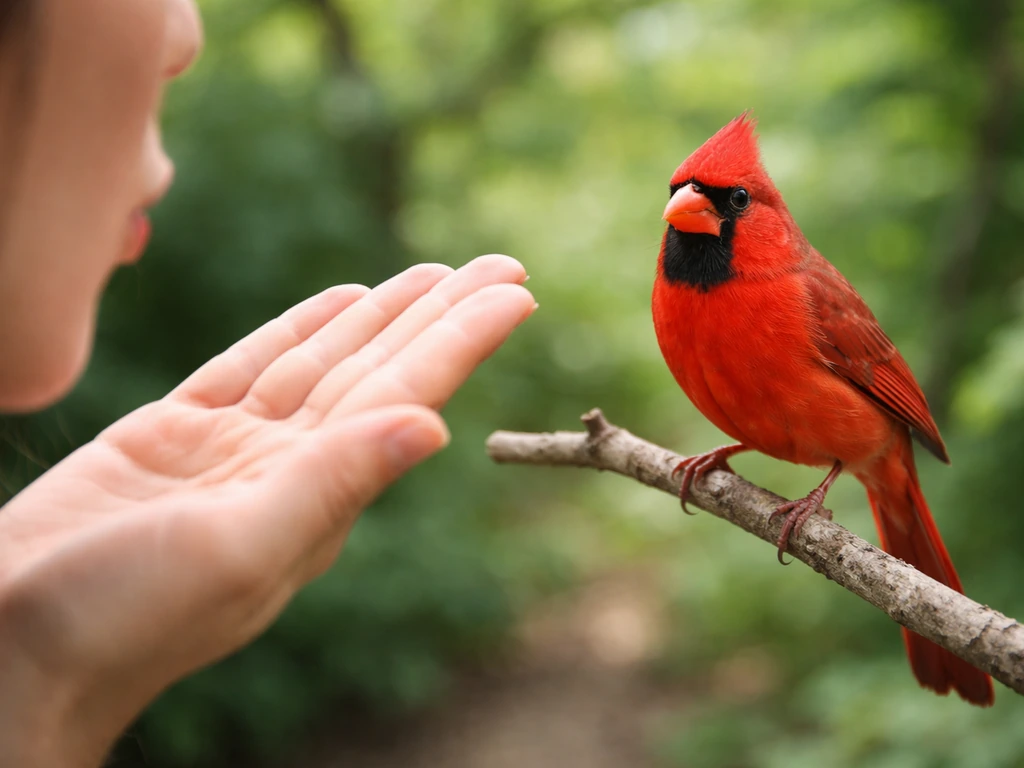
Meaning of blowing a kiss at a red bird as good luck, symbolic interpretation, what to watch for, and respectful steps.
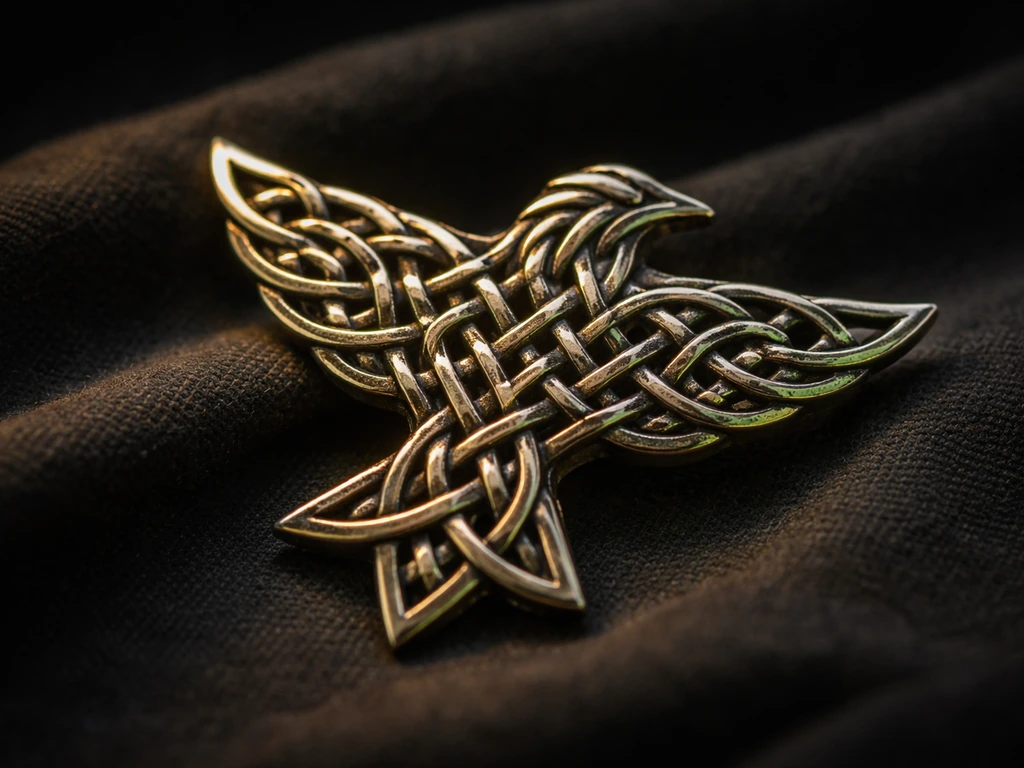
Interpret a Celtic good luck bird symbol: identify the imagery, learn meanings of birds and luck, and use it wisely.