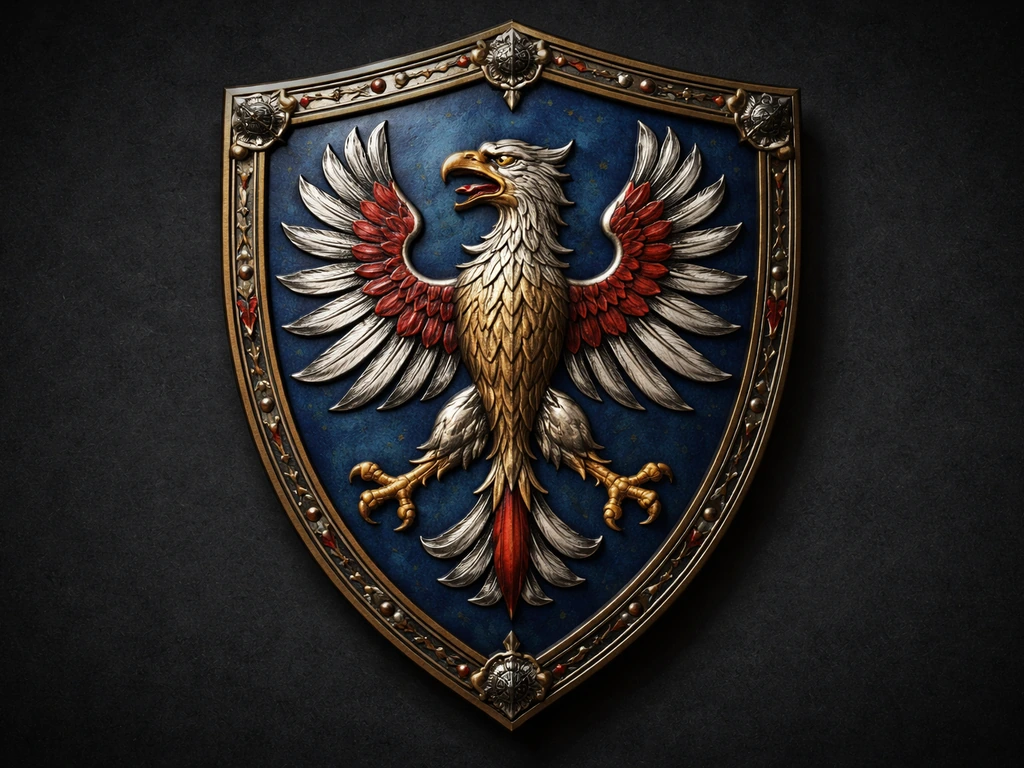
A bird on a coat of arms almost never has just one fixed meaning. What it signals depends on which bird it is, how it is posed, what colors are used, and what heraldic language (the blazon) describes it. An eagle displayed in gold speaks of majesty and imperial power. A dove argent carrying an olive branch whispers peace and divine grace. A raven sable can suggest wisdom, prophecy, or even a family name pun. To read a heraldic bird correctly, you need to work through those layers in order: species first, then posture, then tincture, then any objects it carries.
Heraldic Bird Meaning: Symbols, Types, and Tinctures

Eleanor Hartwell
11 May 2026
What 'heraldic bird' actually means (and why it's never just one symbol)
Heraldry is a visual language built on precision. A "blazon" is the formal written description of a coat of arms, designed so that anyone who reads it can reconstruct the image accurately. That means a heraldic bird is not a poetic metaphor left open to interpretation. It is a technically specified charge, with a species, a posture, one or more tinctures, and sometimes additional attributes like a crown or an object in its talons. Each of those specifications shifts the meaning.
This is exactly why the phrase "heraldic bird meaning" can feel slippery when you first search for it. If you are specifically asking about the bird of Hermes meaning, remember that the symbol depends on the exact bird and its heraldic details, not just the name alone. There is no single answer because the system was never designed to produce one. Medieval heralds were building an identification system for knights on battlefields, not writing a symbol dictionary. Meaning came second, layered on by families, scholars, and traditions over centuries. So when you approach a bird on a crest or seal, think of yourself as reading a sentence rather than looking up a word.
The big symbolic themes birds carry in heraldry
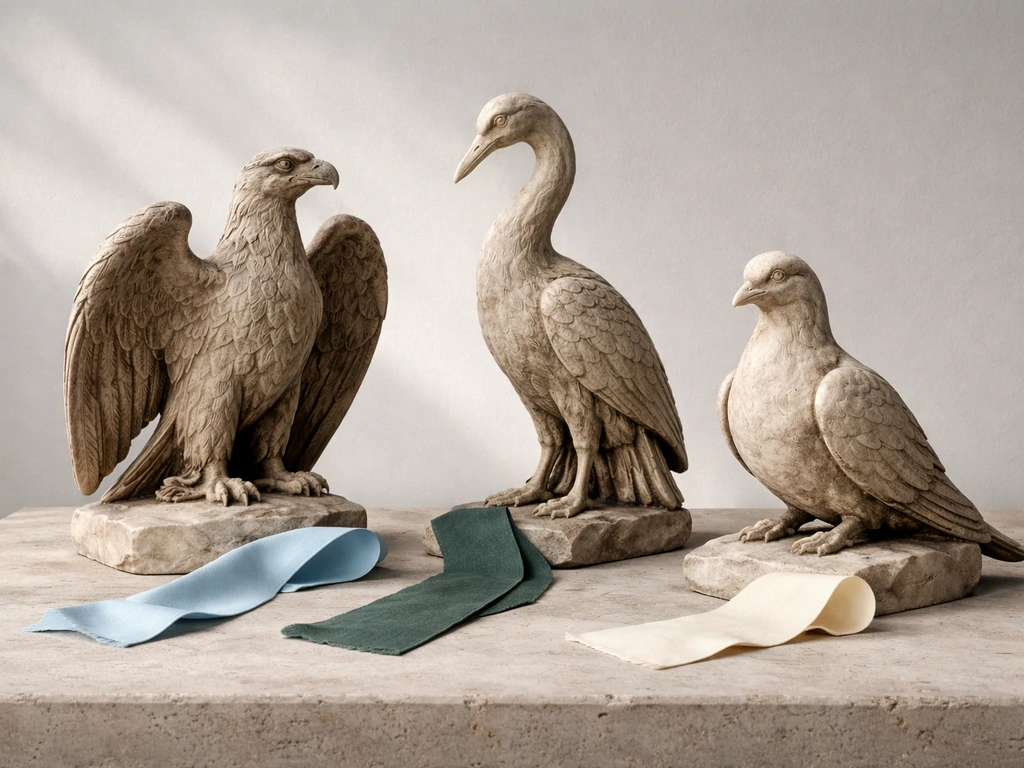
Even before you know the species, certain themes run through almost every bird used as a heraldic charge. Flight is the most universal: birds move between earth and sky, which made them natural symbols of connection between the human and the divine, the earthly and the transcendent. That vertical symbolism maps cleanly onto the ideals heraldry was meant to express, courage, nobility, aspiration, honor.
Vigilance is another dominant theme. The crane was a classic example: in medieval lore, a flock of cranes supposedly kept watch through the night by having sentinels stand on one leg holding a stone, so that if a bird fell asleep and dropped the stone, the noise would wake the others. That image of alert watchfulness made birds like cranes and herons powerful symbols for a family or institution that wanted to project guardianship and duty. That kind of attention to detail is also why myth-linked birds can be tied to very specific stories, like Hera’s placement of the giant Argus eyes.
Birds also served as messengers in heraldic thinking, a role rooted in older mythological traditions. The idea that birds carry news between realms, or between God and humanity, runs through biblical, Greek, Norse, and Celtic traditions alike. Heraldic swallows and martlets, for instance, were sometimes used by families who had traveled or gone on crusade, linking the bird's migratory nature to journeys and return. And beyond all that, birds in heraldry could signal protection: raptors especially, hawks and eagles, projected the power to guard and defend.
What each heraldic bird typically means
The eagle is the most frequently seen bird charge in heraldry, and for good reason. It was the emblem of Roman imperial authority, and that association carried forward into medieval European dynasties. Heraldically, it signals majesty, far-sighted vision, strength, and sovereignty. The double-headed eagle, used by the Holy Roman Empire and later by Russia and Austria, added a sense of dominion over multiple realms or directions. When you see an eagle on a crest, you are almost always looking at a statement of power and noble authority.
The falcon or hawk runs a close second in frequency, especially in English and Continental heraldry. Where the eagle suggests sovereign power, the falcon speaks more of skill, swiftness, and nobility through action. Falconry was a prestige pursuit, and families who used falcons often wanted to signal aristocratic refinement and martial precision rather than raw imperial might.
The dove is almost universally understood in Western heraldic tradition as a symbol of peace, purity, and the Holy Spirit. Its Christian layering is deep: the dove descending at Christ's baptism is one of the most reproduced images in religious art, and that association flowed directly into heraldic use. A dove carrying an olive branch adds an Old Testament layer, calling back to Noah's flood and the signal of God's restored covenant. If you find a dove on a family crest, it often marks a family with strong religious identity or one that explicitly wanted to signal peace and gentleness.
The owl in heraldry is a complex figure. Its primary heraldic associations are wisdom and learning, which is why you find it on the arms of universities and scholars. But owl symbolism across broader traditions is far more ambivalent. In some biblical and Jewish interpretations, owls were birds of desolation and ill omen, associated with ruins and darkness. In classical Greek tradition, the owl of Athena represented wisdom and strategy. Heraldry generally pulled from the Athena side of that tradition, but it is worth knowing the tension exists.
The raven and crow are among the most symbolically layered birds in any tradition, and heraldry is no exception. In Norse mythology, Odin's ravens Huginn and Muninn carried thought and memory across the world. In Celtic tradition, ravens were prophetic, battlefield presences tied to figures like the Morrigan. In heraldry, corvids can signal prophecy, wisdom, and warlike courage, but they were also frequently used as canting arms, that is, a visual pun on a family name. Identifying whether a corvid on a crest is symbolic or a name-pun often requires checking the family history.
The rooster (or cock in blazon language) is one of heraldry's most energetic symbols. It stands for vigilance, courage, and martial spirit, an association rooted in the bird's behavior as an aggressive defender of territory and an announcer of the dawn. French heraldry in particular made extensive use of the rooster as a national emblem, and you will find it frequently on the arms of municipalities and military units.
The swan is associated with grace, purity, loyalty, and, in some traditions, poetry and music. In Celtic mythology, swans were sacred and sometimes carried the souls of the dead or transformed heroes. In heraldry, the swan often marks families who wanted to project a combination of nobility and refinement. It appears frequently in English heraldry, including in the arms of the Bohun family and later in royal heraldic traditions.
The peacock stands for pride, beauty, and immortality. In early Christian symbolism, the peacock's flesh was thought to be incorruptible, making it a symbol of resurrection and eternal life. Its "eyes" in its tail feathers also connected it to vigilance and the all-seeing quality of God or divine protection. In heraldry, a peacock shown with its tail fanned open is described as "in his pride," and this posture is itself the default when a peacock appears as a charge.
The phoenix, while technically a mythical bird rather than a natural one, appears as a heraldic charge with its own established conventions. It is almost always shown rising from flames, and its meaning is unambiguous: rebirth, renewal, resilience, and the idea that something powerful endures even through destruction. Families who adopted the phoenix often did so after a literal or symbolic crisis, making it one of the most personally charged bird emblems in heraldry.
The martlet is uniquely heraldic, a swallow-like bird shown without feet. It originated as a symbol for a fourth or younger son who had "no land to stand on" and had to make his way in the world through valor alone. Today it reads as a symbol of ambition, journeying, and merit earned rather than inherited.
| Bird | Primary heraldic meaning | Common associations |
|---|---|---|
| Eagle | Majesty, sovereign power | Empire, strength, vision, nobility |
| Falcon/Hawk | Nobility, swiftness, skill | Martial precision, aristocratic refinement |
| Dove | Peace, purity, divine grace | Holy Spirit, covenant, gentleness |
| Owl | Wisdom, learning | Scholarship, strategy; omen in some traditions |
| Raven/Crow | Prophecy, wisdom, courage | Norse/Celtic lore, canting arms, warlike spirit |
| Rooster/Cock | Vigilance, martial spirit | Dawn, courage, territorial defense |
| Swan | Grace, loyalty, purity | Poetry, nobility, Celtic soul-lore |
| Peacock | Pride, beauty, immortality | Resurrection, vigilance, divine sight |
| Phoenix | Rebirth, resilience | Renewal after destruction, endurance |
| Martlet | Ambition, merit, journeying | Younger sons, earned valor, travel |
How posture and color completely change what a bird says
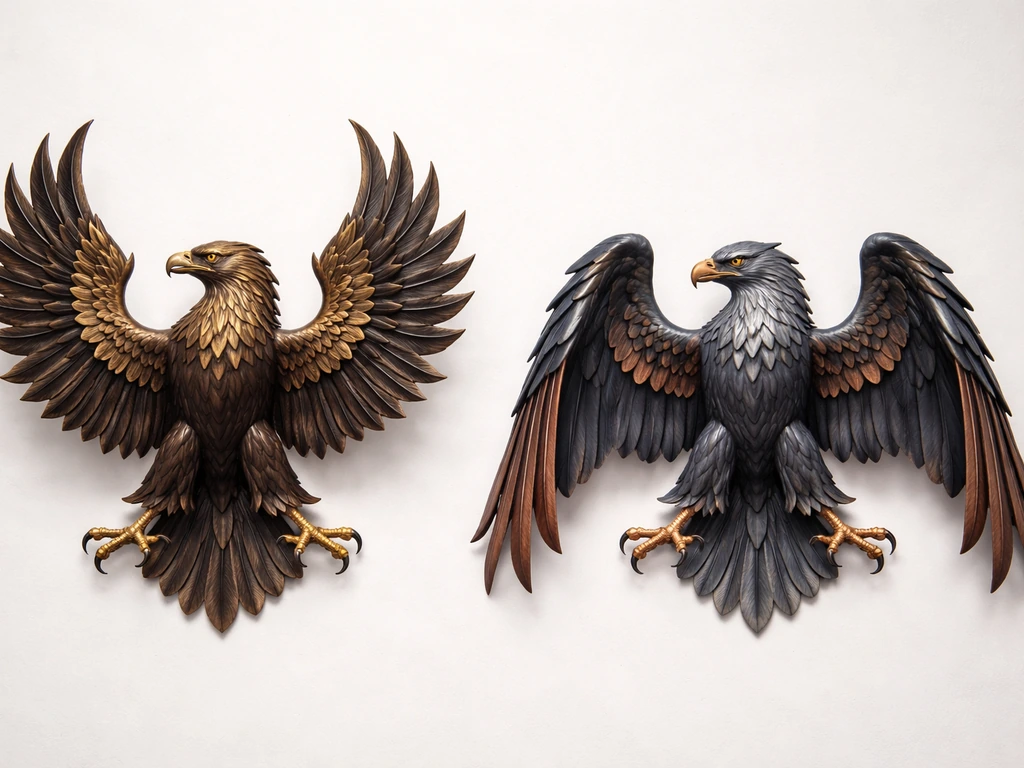
This is where beginners most often go wrong: they identify the bird species and stop there, assuming meaning follows automatically. It does not. The same bird in two different poses carries two distinct symbolic statements, and heraldic art was deliberate about this.
The main postures you will encounter
"Displayed" is the most dramatic and authoritative posture: the bird is shown from the front, wings fully spread and pointed upward, legs extended downward, often with talons visible. It is the default posture for eagles. Think of it as the bird in full declaration of power, nothing hidden, everything projected outward. "Volant" means the bird is shown in full flight, wings spread, feet invisible.
It suggests movement, speed, a message being carried. "Rising" (sometimes called rousant) shows the bird with feet still on the ground but wings raised and spread, as if about to take flight. This is a posture of readiness and aspiration. "Close" is the opposite: wings folded, the bird at rest.
It is the default for most non-eagle birds, and it suggests calm, settled authority rather than action.
The owl has its own strong default: "close guardant," meaning wings folded and the head turned to face directly outward toward the viewer. The SCA heraldry quick reference explains that an owl’s default posture is “close guardant,” with wings folded and the head facing the viewer. This is almost the only posture in which owls appear in period heraldry, and if you see an owl on a historical crest, you can reasonably assume it unless the blazon says otherwise. The peacock's default when in a prominent position is "in his pride," tail fully displayed. Knowing these defaults helps you read ambiguous images without a written blazon to hand.
What tincture (color) adds to the reading
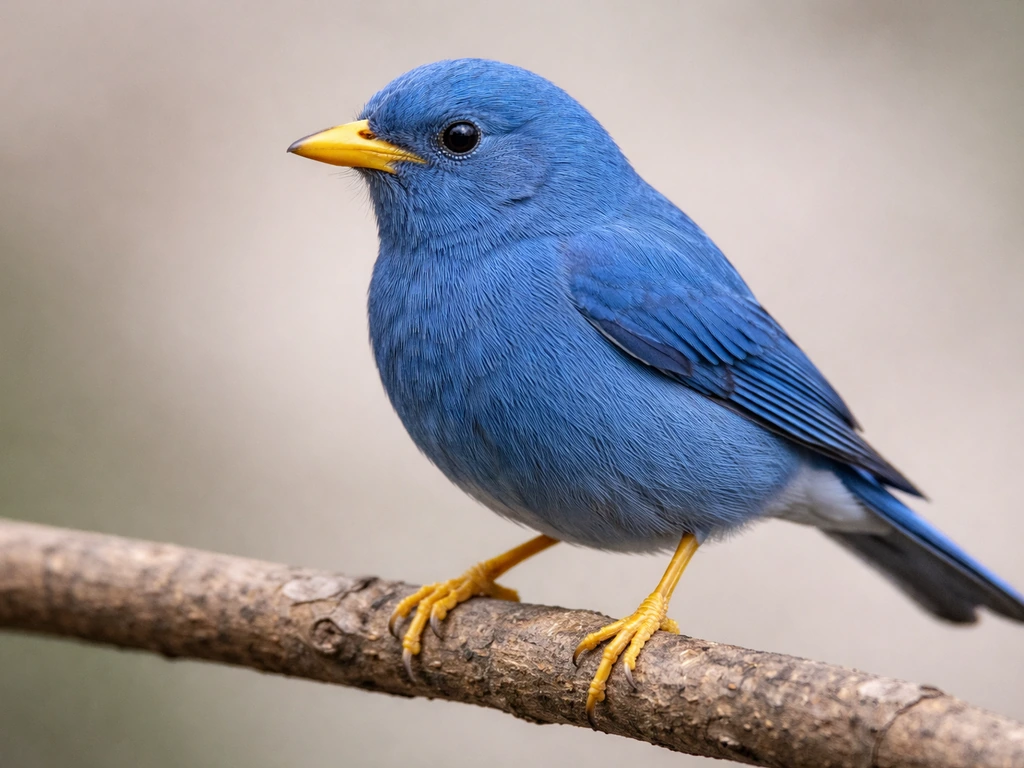
Heraldic tinctures fall into metals (Or/gold and Argent/silver) and colors (Gules/red, Azure/blue, Sable/black, Vert/green, Purpure/purple). A bird described as "Or" projects wealth and generosity. One described as "Sable" can suggest grief, constancy, or solemnity. "Argent" links to purity or innocence. "Gules" signals courage and military strength. These are not rigid rules but established interpretive traditions, and they interact with the species meaning. A sable raven reinforces the bird's darker, prophetic associations. A golden eagle amplifies its imperial statement.
Beyond the bird's body, its "beaked and membered" tincture (the color of its beak and legs when different from the body) adds another layer. An eagle Or beaked and membered Gules, for example, combines gold's majesty with red's martial energy. These details are not decorative; they were chosen deliberately. The rule of tincture also constrains what combinations were acceptable: you cannot place a color charge on a color field or a metal charge on a metal field, so the visible tincture choices on any historical crest were always meaningful within specific limits.
Objects and additional attributes
A bird holding or wearing something compounds its meaning. A dove holding an olive branch adds the covenant imagery of Genesis. A crowned eagle elevates already-imperial symbolism toward divine or royal sanction. A bird "gorged" (wearing a collar) suggests a domesticated or controlled power. A bird "preying" (shown standing on and consuming another creature) signals martial dominance. Each attribute is blazoned specifically and changes what the image is saying.
How to identify the bird from a coat of arms or image
If you have an image of a crest and no blazon text, work through identification systematically. Start with body size and shape: eagles are large, broad-winged, and typically shown displayed with talons clearly visible. Owls are compact with distinctive round heads and front-facing eyes. Doves and swans are smooth-bodied and graceful. Corvids tend to be sleek, medium-sized, and all-black. Roosters are unmistakable with their comb and wattle. Peacocks are always the ones with an elaborate tail.
- Identify the overall body shape and size. Is it a raptor (large, strong talons), a waterfowl (smooth neck, webbed feet), a passerine/corvid (medium, all-dark), or a domestic bird (comb, wattle)?
- Look at the posture. Wings up and spread facing front = displayed (likely eagle). Wings folded, head turned to you = close guardant (likely owl). In flight, feet hidden = volant. Wings raised, feet down = rising.
- Note the tincture of the body, then check whether the beak and legs are a different color. If they are, the blazon will name them separately.
- Look for any objects the bird holds or wears: olive branch, crown, collar, prey animal, or scepter.
- Check whether the bird has a natural number of heads. A two-headed bird is almost certainly an eagle, and it carries imperial/dynastic associations specifically.
- Search for the blazon text if it exists. Heraldic registries, family history databases, and institutional archives often hold the original grant wording.
When you do have a blazon, read it left to right as a set of nested descriptions: field first, then the principal charge (including species and posture), then tincture, then secondary attributes. The word order is not casual; it follows strict grammar. "An eagle displayed Or" gives you the species, the posture, and the metal in three words. From there, every additional phrase refines the image.
The spiritual and cross-cultural roots that sit behind heraldic bird symbolism
Heraldry did not invent bird symbolism. It inherited it from centuries of religious, mythological, and cultural tradition, and understanding those roots gives heraldic images a much richer resonance. The dove as a Christian symbol of the Holy Spirit is one of the most direct examples: the bird's appearance at the baptism of Jesus in the Gospels made it one of the most recognizable sacred emblems in Western civilization, and when it appeared on a family crest, that theological weight came with it. Catholic tradition extended this further, connecting the dove to the Church itself as God's agent on earth.
The eagle's pre-heraldic history is equally layered. In the Hebrew Bible, the eagle is an image of God's sustaining power: "They shall mount up with wings as eagles" (Isaiah 40:31) frames the bird as a vehicle of divine strength. In Roman civic religion, the eagle was Jupiter's bird and the soul-carrier of deceased emperors. Both of those associations fed into the eagle's dominant role in European heraldry.
For the owl, the tension between wisdom and ill-omen that runs through cross-cultural symbolism reflects a genuine split in traditions. The biblical texts that mention owls (using words often translated as "great owl," "screech owl," or "little owl") generally place them in contexts of desolation and ruin: Isaiah 34, for example, lists the owl among the creatures that will inhabit a destroyed land. Yet the Greek Athena-owl tradition pulled in exactly the opposite direction. When an owl appears on a heraldic crest, knowing which tradition the bearer's culture was drawing from helps clarify whether it was meant as a wisdom symbol or something more complex.
The raven's cross-cultural reach is extraordinary. Norse mythology gave Odin two ravens as cosmic messengers. Celtic mythology made the raven a battlefield prophet. In the Hebrew Bible, a raven was the first bird Noah released from the ark. In the New Testament, ravens are cited by Jesus as examples of God's provision (Luke 12:24). That range of associations, from omen to messenger to divinely fed creature, makes the raven one of the most symbolically dense birds in any heraldic crest. The question of what a specific family meant by their raven is always worth exploring in context.
These cross-cultural threads connect naturally to the broader mythology of birds as divine messengers, a theme that runs through stories like Hermes and his sacred bird (the ibis or sometimes the stork in later traditions), the peacock eyes placed there by Hera after the death of the giant Argus, and the alchemical symbolism of the Pelican or the Phoenix. Heraldry absorbed all of these streams, which is why reading a heraldic bird well sometimes means knowing a little mythology alongside your blazon grammar.
How to research your own crest and build a meaningful interpretation
If you have a family crest or are trying to interpret a heraldic image with personal relevance, here is a practical process that will take you from image to informed interpretation.
- Start with the family name and country of origin. Most national heraldic authorities maintain searchable registries. In the UK, the College of Arms (England/Wales) and the Court of the Lord Lyon (Scotland) hold official records. Ireland has the Chief Herald of Ireland. Canada has the Canadian Heraldic Authority. The US has no central registry, but the New England Historic Genealogical Society and state archives hold many records.
- Search for the blazon text, not just the image. Images vary between artists and periods; the blazon is the authoritative description. University rare books collections (Notre Dame's heraldic dictionary is one example) and Heraldry Society resources often reproduce original grant language.
- Use the posture and tincture details from the blazon to refine your interpretation. Do not stop at species. "Eagle displayed Or" and "eagle close Sable" are two entirely different statements.
- Cross-reference with family history. Was the crest granted after a military event, a religious foundation, a royal appointment? Grant context often explains why a specific bird was chosen.
- Layer in the cultural and spiritual traditions relevant to the family's background. A French family with a rooster is reaching toward one set of national associations; an English family with the same bird is likely making a different statement.
- Form your personal takeaway last. Heraldic symbolism is not a prescription for what your family is or was. It is a lens for reflection. What does it mean to you that your family chose a bird of vigilance, or a bird of peace, or a bird of rebirth? That meaning is yours to work with.
If you cannot find a blazon and are working only from an image, use the identification checklist above to get as specific as possible about species and posture, then treat your interpretation as provisional rather than definitive. Heraldic art was sometimes adapted, simplified, or redrawn by artists who did not know the original blazon, and what looks like a raven might have been intended as a jackdaw or a chough. The more historical documentation you can find, the more confident your reading will be.
The most satisfying interpretations tend to come when you can hold both the technical heraldic meaning and the broader symbolic tradition at the same time. A dove on a crest is a precise heraldic statement about peace and purity, and it is also a living thread connecting your family's history to one of the oldest and most resonant bird symbols in human religious experience. If the family story feels more personal than the blazon, you can even encounter pop-culture riddles like “the bird of Hermes is my name,” which often get echoed in modern crests and scroll lore the bird of hermes is my name ripley scroll. Both things are true, and neither one cancels the other out.
FAQ
If I only have a picture of a crest, how can I confirm a heraldic bird meaning without a blazon?
If the blazon is missing, treat the “meaning” as hypothesis. Compare the bird’s silhouette first (eagles are broad-winged, owls are compact and front-facing, swans are long-necked), then match the posture terms (displayed, volant, close, rising). Finally, use tincture limits from the image (metals are typically gold or silver tones, colors are red, blue, black, green, purple). Without tincture and posture, you can often narrow to theme, but you cannot responsibly claim an exact phrase-level meaning.
How do I tell whether a raven or crow is symbolic or a canting (name-pun) charge?
“Canting” means a visual pun on a family name, not a universal myth reference. Corvids are especially common for this because many surnames naturally map to bird sounds. To decide whether a raven/crow is symbolic or pun-based, look for family-name documents, older seals, and spelling variants. If the arms were adopted after a name change or a known surname shift, canting becomes more likely.
Can two crests with the same bird have different heraldic bird meanings because of pose?
Yes, because the posture changes what the bird communicates even if the species stays the same. A bird shown “displayed” reads as open declaration of authority, “volant” reads as active message or motion, and “close” reads as settled authority. If you are trying to interpret a heraldic bird meaning from a modern reproduction, check whether the artist redrew posture details like wing angle, head direction, and whether feet are visible.
What should I do if the bird’s colors in an image look “wrong” compared to heraldic tincture rules?
You can, but you need to watch for the limits of heraldic grammar. Tincture rules restrict which colors can be placed on which fields (metals on colors, and colors on metals, in traditional practice). If a design violates the usual constraints, the image may be a later artistic redesign, and the intended meaning may not be historically faithful to the original blazon.
How important are beak and leg (membered) colors for heraldic bird meaning?
Beaked and membered tincture matters when it differs from the body, but not when it matches. If the blazon specifies the beak and legs separately, that separate tincture often carries a second layer (for example, red beak and legs on a gold-bodied eagle can shift the tone toward martial energy). If you are reading from a low-resolution image, assume ambiguity and look for published versions or higher-quality references before making a final claim.
Does carrying something or wearing something on the bird always change the heraldic meaning?
Secondary attributes can radically narrow the interpretation. Examples: an olive branch makes a dove’s peace meaning more specific to covenant imagery, a crown pushes the symbolism toward sanction and elevated authority, and a “gorged” bird suggests controlled, domesticated, or ranked power. If the attribute is unclear, rely on the bird-only meaning as a baseline, then mark attribute-specific conclusions as tentative.
I’m searching for the bird of Hermes, how do I avoid mixing mythology with heraldry?
Hermes-themed birds are a common trap because “the bird of Hermes” can point to different species across different traditions (and modern “Hermes” references are not always heraldry-specific). In practice, you must anchor to the exact heraldic charge: species, posture, tincture, and any taloned object. Treat the myth label as context, not as a shortcut to a single heraldic bird meaning.
What are common mistakes people make when identifying the bird species from a crest image?
Yes, in two common ways. First, some animals look bird-like but are not blazoned as such in period work (small songbirds get stylized into generic silhouettes). Second, artists sometimes redraw a bird incorrectly when they do not have the blazon. If you cannot verify the species, focus on posture and tincture for a lower-confidence reading, then keep the species-based interpretation as provisional until you find documentation.
If an owl or peacock is shown, can I assume the usual default posture?
Historically, posture defaults exist for some birds, but don’t over-apply them to modern or unknown sources. Owls, for example, often appear in a close guardant stance in period usage, and peacocks often show the tail displayed when prominently posed. Still, if the image clearly shows a different head direction or wing position, prioritize what you can observe over the “typical” default.
How does the meaning change if a heraldic bird is shown attacking or preying on another creature?
If you see a bird standing over another animal or in the act of “preying,” the meaning shifts toward dominance and martial superiority, not just general courage or guardianship. The difference is whether the bird is merely present (calm authority) or actively overpowering (active dominance). When you describe the meaning, include this action element because it is often the interpretive hinge.
What’s a practical layer-by-layer workflow for interpreting heraldic bird meaning from an image?
A good next step is to build your interpretation in layers, using what you can verify. Write down (1) species guess from silhouette, (2) posture from visible wing and foot position, (3) tinctures from field and the bird’s body and member colors, then (4) check for secondary attributes like crowns, collars, branches, or taloned objects. If you only have step (1), you can only state broad themes (flight, vigilance, messenger), not a specific heraldic claim.
Next Articles
What Is Hermes Sacred Bird? Meaning, Myths, and Symbols
Identify Hermes sacred bird(s), why they symbolize messages and travel, plus practical meanings for sightings, dreams, a
The Bird of Hermes Is My Name Ripley Scroll Explained
Decode bird of Hermes and Ripley scroll link: meaning, origin, likely bird imagery, and a clear journaling verification
Bird of Hermes Meaning: Symbolism, Messages, and How to Apply
Meaning of bird of Hermes: symbolism of Hermes messenger energy, guidance, messages, and how to apply it mindfully.