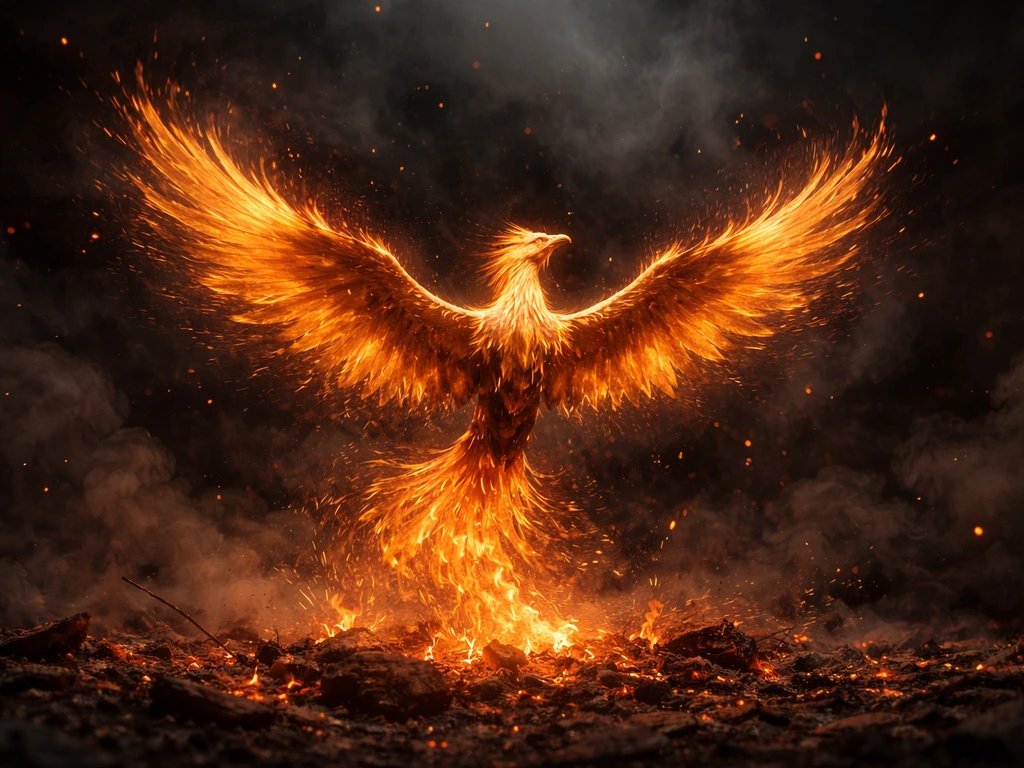
The answer to the CodyCross clue "Mythical bird that is reborn from ashes" is PHOENIX. It's a six-letter word, spelled P-H-O-E-N-I-X, and it fits into the grid as a single contiguous entry. If your puzzle grid has seven squares for this clue, you've got your answer right there.
Mythical Bird Reborn From Ashes CodyCross Answer Phoenix

Eleanor Hartwell
14 May 2026
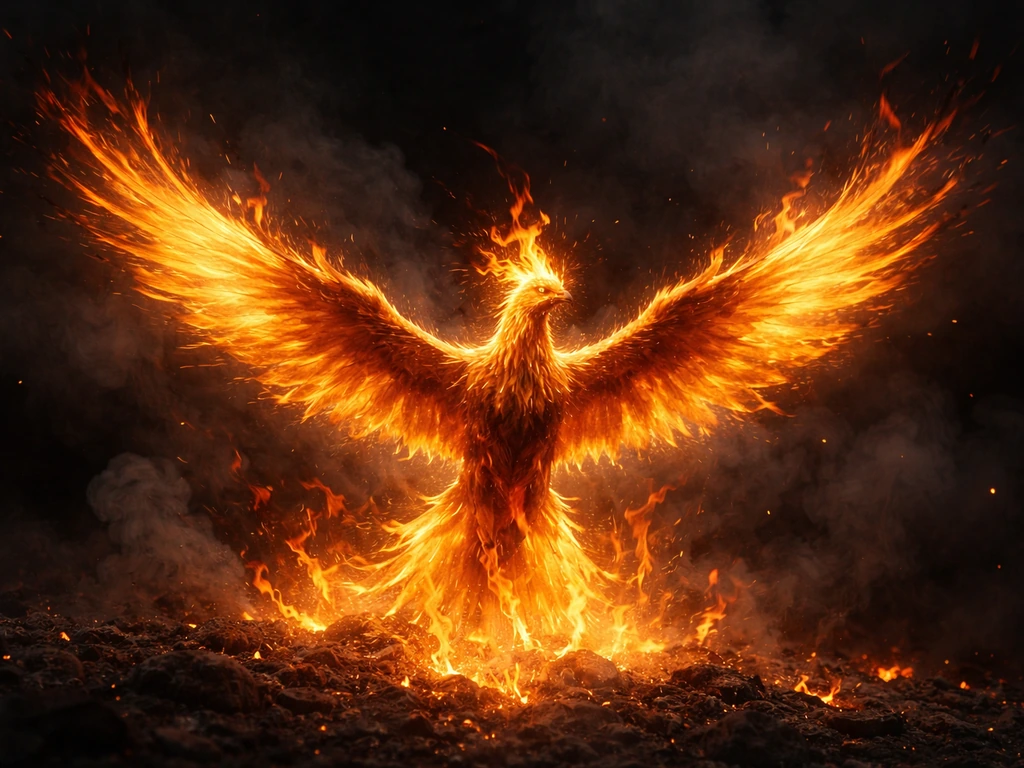
Fast answer: the reborn-from-ashes mythical bird
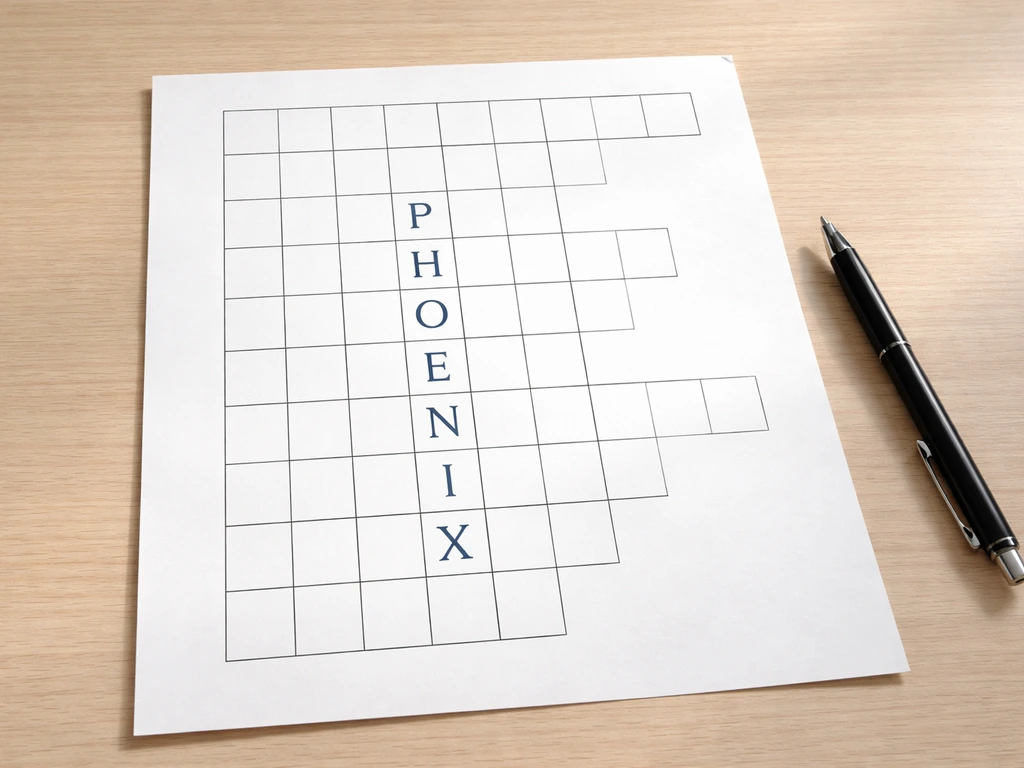
PHOENIX is confirmed as the answer across multiple CodyCross puzzle guides, including the Culinary Arts Group 126 Puzzle 1 collection. The word appears in all-caps in the grid (as CodyCross entries always do), but it's the same word regardless of how it's styled in any guide you consult. Seven letters, one word, no spaces or hyphens. Write it in and move on.
Why "phoenix" matches the CodyCross clue (rebirth-from-ashes meaning)
The clue is almost a word-for-word description of the phoenix myth. In the most widely known version, the phoenix lives for centuries, eventually builds a pyre, sets fire to itself, and is reborn from the ashes of its own burned body. Cambridge's dictionary puts it plainly: the phoenix is "an imaginary bird that set fire to itself and was born again, rising from its ashes." That phrase, born again from ashes, is precisely what the CodyCross clue is pointing to. There's no ambiguity here. The rebirth-from-ashes narrative is so central to the phoenix that crossword databases from multiple publishers consistently map any "rose from ashes" or "reborn from ashes" clue to the same six-letter answer.
It's worth noting that the clue uses "reborn" rather than "rose," but both formulations mean the same thing in the context of this myth. Britannica describes a young phoenix rising after a ritualized pyre, and Mythopedia says the bird is "reborn from its own ashes" after burning at the altar of the sun. Whether the source says rose, reborn, or sprang, all roads lead to phoenix.
How to verify against your puzzle (letter count, crossings, spelling)

Before you type anything in, take two seconds to count the empty squares in your grid for this clue. PHOENIX needs exactly seven squares: P, H, O, E, N, I, X. If your grid shows seven empty boxes, you're good. If the count is different, hold off and read the next section first.
Once you've confirmed the length, check any crossing letters you've already filled in from intersecting clues. The most commonly crossed letters in a seven-letter word tend to fall in the middle, so if you have an O in position three or an N in position five, that's a strong confirmation. The spelling has one part that trips people up: the PH at the start (not an F) and the OE combination in the middle. The correct spelling is always P-H-O-E-N-I-X, not FENIX, PHOENYX, or any other variant.
If it's not phoenix: common CodyCross edge cases and alternatives to test
CodyCross occasionally surfaces clues that look similar but pull a slightly different answer based on how the puzzle was localized or updated. If PHOENIX doesn't fit your grid, here are the most practical things to check:
- Recount your squares. It's easy to miscount in the app, especially on smaller screens. Seven squares is the target for PHOENIX.
- Check for a phrase-length entry. In some puzzle variations, the expected entry might be FIREBIRD or FIREBIRD (eight letters) if the clue wording leans toward the fire element rather than the ashes/rebirth element.
- Consider SIMURGH or ROC if the clue has a regional or world-mythology category tag. These are other mythical birds from Persian and Arabian traditions respectively, though neither fits the "reborn from ashes" description the way phoenix does.
- Look at the puzzle's theme or category. CodyCross groups its puzzles by topic (like Culinary Arts, Circus, Ancient Egypt). An Ancient Egypt category clue about a reborn bird might reference the BENNU, the Egyptian heron-like deity associated with the sun and rebirth that is widely considered a precursor to the phoenix myth.
- Try the fenghuang only if the category is clearly China or East Asia. The Chinese fenghuang is sometimes loosely called a phoenix in English, but it does not share the dies-in-fire-and-rises mechanic. It's a different bird with different symbolism, so it would only appear if the clue explicitly referenced China.
In practice, PHOENIX will fit the vast majority of instances of this clue in CodyCross. The alternatives above are edge cases worth knowing, but they're unlikely unless you see a clear thematic or categorical signal pointing away from the standard Western phoenix.
Phoenix symbolism across cultures and spiritual themes (rebirth, transformation)
The phoenix is one of the most symbolically loaded birds in any mythology, and understanding why helps you recognize it instantly across dozens of clue phrasings. At its core, the phoenix represents cyclical rebirth, the idea that destruction is not an ending but a precondition for renewal. This makes it a powerful symbol of transformation, immortality, and resilience across cultures that never shared a direct connection.
Greek and Roman traditions
The phoenix most people know comes from classical Greco-Roman sources. Herodotus mentioned it, and later Roman writers elaborated the story into the familiar cycle: a single immortal bird lives for 500 years or more, builds a nest of aromatic spices, ignites itself, and a new phoenix rises from the ashes. The bird was associated with the sun and often depicted as gold and red, the colors of fire and dawn. Its resurrection was never portrayed as tragedy, but as a natural, even sacred, turning of the wheel.
Egyptian connections: the Bennu bird
Long before the Greek phoenix crystallized into myth, ancient Egyptians venerated the Bennu, a heron-like solar bird associated with the sun god Ra and the primordial mound of creation. The Bennu was linked to rebirth and the daily cycle of the sun rising from darkness. Many scholars see the Bennu as the likely ancestor of the phoenix concept. Both birds carry the same essential message: life regenerates from what appeared to be its end.
Christian and medieval symbolism
Early Christian writers adopted the phoenix as a natural metaphor for resurrection, drawing a direct parallel between the bird's self-immolating rebirth and the concept of rising from death. Cambridge’s definition of “phoenix” explicitly links the bird to self-immolation and being “born again, rising from its ashes.” self-immolating rebirth. By the medieval period, the phoenix appeared regularly in bestiaries alongside moral lessons about spiritual renewal. The image of a bird emerging from flames and ash became visual shorthand for hope, endurance, and the soul's capacity to survive destruction.
Modern symbolism and popular culture
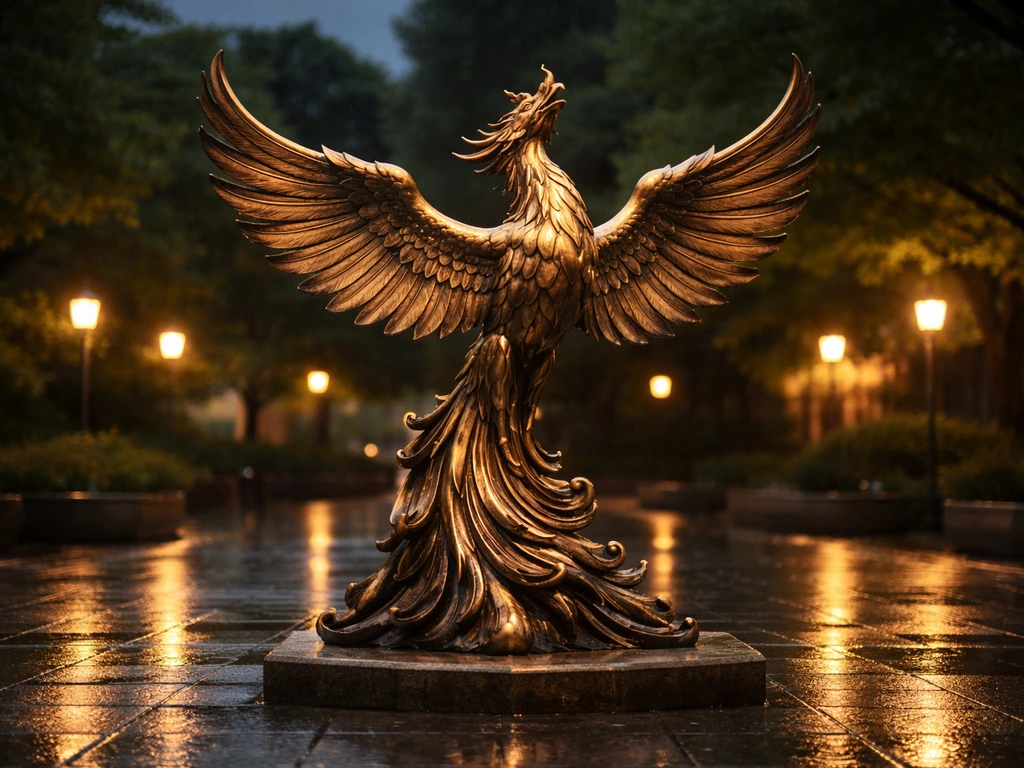
The phoenix's rebirth symbolism has never really stopped expanding. The Phoenix of Hiroshima is one of the most striking modern examples: a bronze statue named explicitly for a bird that rises from ashes, placed in a city that rebuilt itself after catastrophic destruction. In literature, film, and even sports team names, the phoenix appears wherever the theme is survival, comeback, or radical renewal. Its feathers and ash imagery remain among the most evocative transformation motifs in the broader language of bird symbolism, alongside themes of flight as freedom and nesting as a site of new life.
| Culture / Tradition | Phoenix-like Bird | Core Symbolic Theme |
|---|---|---|
| Greek / Roman | Phoenix | Cyclical rebirth, immortality, solar renewal |
| Ancient Egyptian | Bennu | Solar creation, resurrection, primordial order |
| Chinese | Fenghuang | Virtue, harmony, yin-yang balance (not fire-rebirth) |
| Christian / Medieval | Phoenix (adopted) | Spiritual resurrection, hope, endurance |
| Persian | Simurgh | Wisdom, divine knowledge, healing |
| Modern / Global | Phoenix (cultural icon) | Resilience, transformation, recovery from disaster |
Quick method to solve the remaining clue using bird-symbol context
If you're working through a CodyCross puzzle and you encounter a clue about a mythical or legendary bird, the fastest way to narrow your answer is to look for the defining mechanic in the clue wording. Rebirth, ashes, fire, and rises are all signals pointing to phoenix. Other bird-related clues in the same puzzle might point toward wisdom (owl), trickery (raven or crow), peace (dove), or immortality in a more general sense. Knowing the symbolic vocabulary of birds lets you triangulate the answer from the clue's language alone, even before you check the letter count.
For this specific clue, the method is simple. Count the grid squares, confirm you need seven letters, check any crossing letters you already have, and fill in P-H-O-E-N-I-X. If the crossing letters don't match, run through the edge-case alternatives above before assuming an error. And if the puzzle's category tag offers any geographic or cultural hint, use that to guide you toward the Bennu, Fenghuang, or another regional bird symbol if the standard phoenix truly doesn't fit.
The phoenix is one of those answers that appears across many puzzle formats precisely because its defining trait (reborn from ashes) is so specific and so memorable. Once you've locked it in here, you'll recognize the same clue pattern instantly in future puzzles, whether the wording says reborn, rose, rose again, or emerged. The bird, and the answer, stays the same.
FAQ
Do I need to enter the phoenix in a specific format (caps, spaces, hyphens) in CodyCross?
In CodyCross, the grid entry is usually all caps and uses only letters, so you should not enter any spaces, apostrophes, or hyphens. For this clue specifically, the single correct entry is PHOENIX (7 letters), not PHOENIXES or PHOENIXBIRD.
What should I do if the number of squares for the clue is not seven?
If the length in your grid is not 7, recheck the clue selection and grid region. CodyCross can sometimes show multiple related clues nearby, and a mistargeted word slot can make you think the phoenix does not fit.
How can I verify the answer using crossing letters if I suspect a typo?
Crossing letters are the fastest way to confirm. The phoenix spelling places distinctive letters early (P then H) and in the middle (OE), so even one crossing letter mismatch around those positions is usually enough to rule out common typos like FENIX or PHOENYX.
If the clue wording says “rose” instead of “reborn,” is the answer still the same?
The clue text can vary, but “reborn from ashes,” “born again from ashes,” and “rises from ashes” all point to the same standard crossword answer. In this puzzle context, “reborn” and “rose” are treated as equivalent clue phrasing for phoenix.
My grid does not accept PHOENIX. What are the most common reasons?
If PHOENIX does not fit, check for two issues first: wrong slot (you might be filling a different row/column than the clue), or an incorrect crossing letter from an earlier clue that then cascades into the mismatch. Only after those checks should you consider a non-phoenix alternative.
Are there any culture-specific bird alternatives I should consider if PHOENIX fails?
The only plausible “mythical rebirth bird” alternative you might see elsewhere is the Egyptian Bennu, or other culture-specific symbols like the Fenghuang, but CodyCross clues about “reborn from ashes” are overwhelmingly keyed to PHOENIX. Use cultural alternatives only if the clue wording strongly signals a non-Western bird.
What spelling mistakes trip people up with PHOENIX?
A common mistake is swapping letter order in the middle, especially entering PHOENYX or PHOENYX-style misspellings. Remember the sequence is P-H-O-E-N-I-X, with OE after the O and a hard N before I.
When multiple clues intersect, how do I avoid getting stuck in a wrong-letter cascade?
If you are filling multiple bird clues in the same puzzle and one answer forces contradictions elsewhere, do not keep changing letters randomly. Re-solve the conflicting clue using its own defining keywords (ashes, fire, rebirth for phoenix), then propagate the confirmed letters across crossings.
Next Article
Which Bird Is Reborn From Ashes? Phoenix and Beyond
Which bird is reborn from ashes? Phoenix symbolism explained plus other rebirth birds and how to apply meanings.