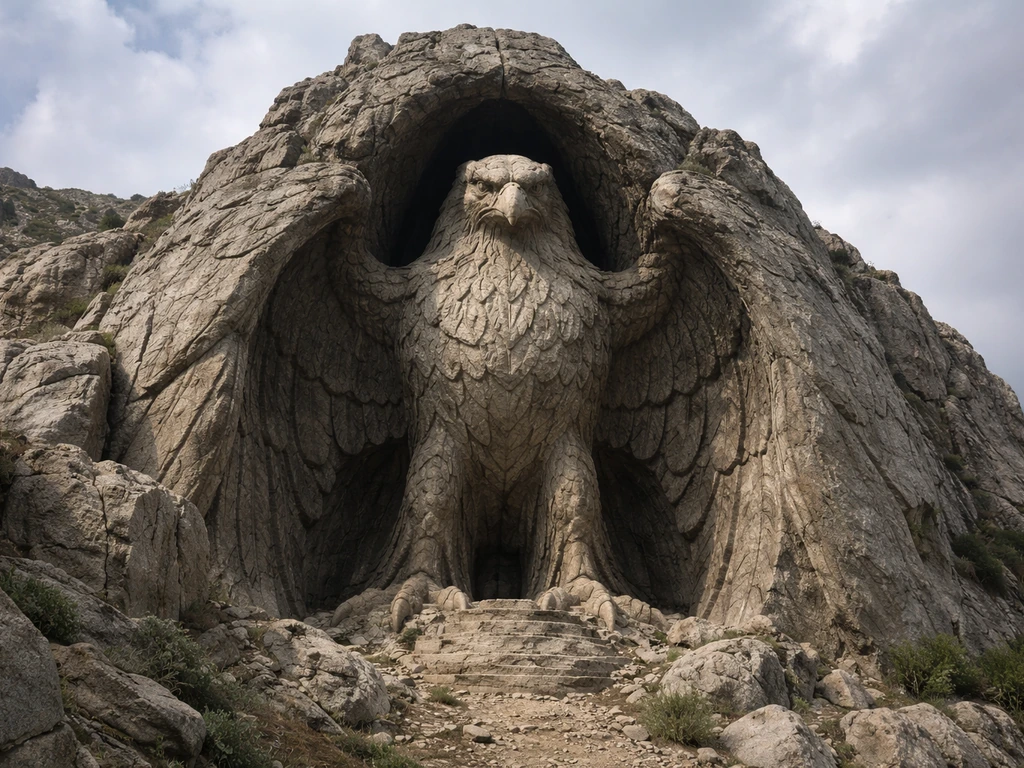
If you are searching for 'the colossal bird shrine where there is little light,' the most likely answer right now is a riddle landmark in Sea of Thieves, specifically tied to Plunder Valley, where a large bird skull attached to a cave wall (with drawings nearby) sits inside a dark cave system. That said, the phrase also resonates deeply with real-world bird shrines, temples, and sacred spaces built around bird symbolism across cultures, many of which are intentionally dim, cave-like, or oriented away from direct light. This guide will help you confirm exactly which one you mean, tell you what to look for once you're there, and show you how to pull a genuine symbolic meaning out of the experience, whether you're solving a game riddle or visiting a real place.
Colossal Bird Shrine With Little Light: Identify & Visit Guide

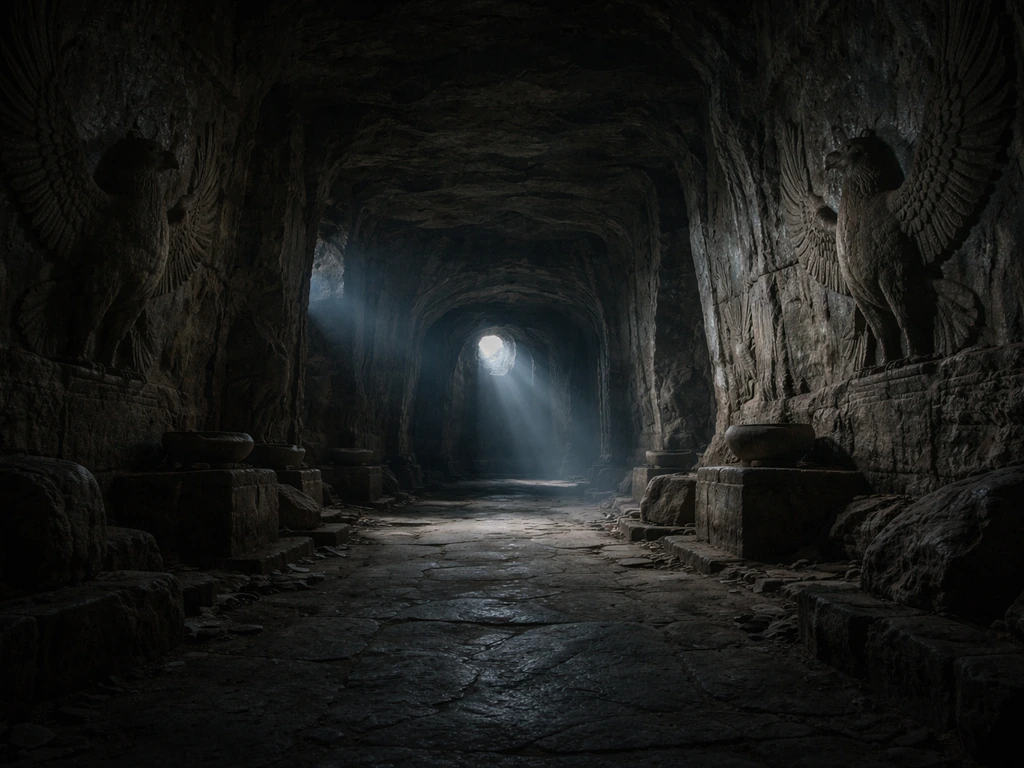
Real place or game location? Let's figure out which one you mean
The phrase 'colossal bird shrine where there is little light' sounds like riddle language, and that's because it often is. In Sea of Thieves, riddle clues use exactly this kind of poetic, descriptor-heavy phrasing to point players to named landmarks. The Rare Thief interactive map labels a specific landmark as 'colossal-bird-shrine' on Plunder Valley, and community threads confirm it involves a large bird skull fixed to a cave wall with cave drawings surrounding it. The 'little light' part is literal: you are inside a cave. If you are working through a Sea of Thieves quest right now, that's almost certainly your answer. Look for the cave, find the bird skull on the wall, and the drawings nearby are your key markers. Community guidance for the blank" rel="noopener noreferrer">“Colossal Bird Temple encased in stone” quest places it in caves and points you toward a shrine marked by a large bird skull on the wall with drawings nearby.
If you are not playing Sea of Thieves, or the phrase came to you through mythology, folklore, travel research, or a dream, the calculus shifts. Real-world bird shrines do exist, and some of the most significant ones share the same qualities: massive scale, bird iconography carved into stone or bone, and deliberately low light. Mayan temples with quetzal carvings, Egyptian sanctuaries dedicated to Horus or Thoth, Aztec shrines to Quetzalcoatl, and Native American ceremonial caves with bird petroglyphs all fit parts of the description. In many contexts, the bird of yore meaning points to an older, storied message carried through time. Narrowing it down requires a few questions.
- Did you encounter this phrase in a game, quest log, riddle card, or map? Most likely Sea of Thieves, Plunder Valley.
- Did you find it in a mythology text, spiritual book, or travel article? You may be looking at a real archaeological or pilgrimage site.
- Did you dream it, or did it come up during a reading or meditation? Then it's symbolic language, and the 'shrine' is a threshold image from your inner world.
- Did someone describe it to you verbally as a physical destination? Ask for the country or cultural tradition first, then cross-reference bird-worship sites in that region.
What bird shrines actually represent across traditions
Bird shrines, in nearly every culture that built them, are not just decorative. They are functional symbolic anchors. Birds move between earth and sky, which makes them natural stand-ins for the soul's journey, divine messages, and the threshold between living and dead. When a culture builds a colossal shrine around a bird, they are monumentalizing that threshold idea, making it impossible to ignore.
| Tradition | Bird Associated with Shrines | Core Symbolic Meaning |
|---|---|---|
| Egyptian | Ibis (Thoth), Falcon (Horus) | Divine knowledge, solar power, judgment of the soul |
| Aztec | Quetzal, Eagle | Royal authority, sun worship, sacrifice and renewal |
| Native American | Eagle, Raven, Owl | Guardianship, spirit messages, wisdom in darkness |
| Celtic | Raven, Crane, Wren | Prophecy, otherworld passage, sacred secrets |
| Biblical / Hebrew | Dove, Eagle | Peace, divine protection, God's presence descending |
| Norse / Helheim | Eagle, Veðrfölnir | Cosmic order, death threshold, wisdom at the world's edge |
What unites all of these is that bird shrines tend to sit at transitions: at the mouth of a cave, at the top of a pyramid, at a river crossing, or inside a rock formation. The bird is placed there because that's where the human world brushes up against something larger. A colossal bird figure, specifically, amplifies that energy, announcing that this spot is not ordinary ground. Whether you're standing in front of an Aztec quetzal temple or staring at a giant carved bird skull on a cave wall in a video game, the symbolic grammar is the same: you are at a threshold.
Why 'little light' matters more than you might think
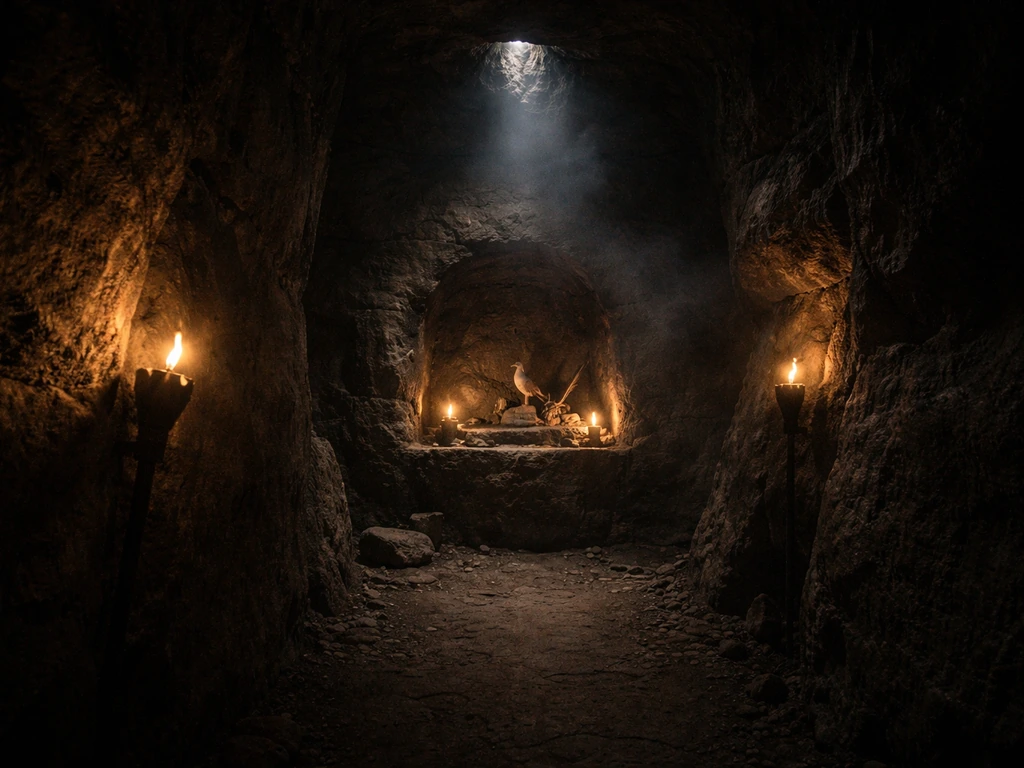
Darkness in sacred architecture is almost never accidental. Temples and shrines built in caves, oriented away from the sun, or deliberately kept windowless were that way by design. The spiritual logic runs across traditions: darkness strips away distraction, forces inward attention, and marks the space as set apart from ordinary daylight life. In Egyptian funerary practice, the inner sanctum was pitch black because that is where the soul met the divine without the interference of the visible world. In Native American vision quest traditions, seekers enter dark spaces, caves or covered structures, to receive guidance that light would scatter. The Celtic concept of 'thin places,' spots where the boundary between worlds is barely there, often coincides with caves, hollow hills, and stone chambers where light barely penetrates.
In the context of a bird shrine specifically, little light creates a tension that is symbolically rich. Birds are creatures of light and air, yet placing their shrine in the dark inverts that. This inversion is purposeful. It says: the wisdom this bird carries is hidden, you have to earn it, you have to sit in the discomfort of not seeing clearly before the meaning reveals itself. That is a threshold experience, and threshold experiences are the whole point of pilgrimage-style sacred sites. Even in Sea of Thieves, the cave setting around the bird skull shrine is not just atmospheric. It mirrors exactly the kind of liminal space that real-world sacred bird sites have always occupied.
How to confirm the exact shrine and know you're in the right place
If you're in Sea of Thieves
- Open the Rare Thief interactive map and search for 'colossal-bird-shrine' as a landmark filter on Plunder Valley.
- Head to the cave system on the island. The landmark is not on the surface: you need to go inside.
- Look for a large bird skull mounted on the cave wall. This is the primary marker, not a painting or loose feather.
- Check the surrounding cave drawings. Quest clues often reference a specific position relative to the skull (in front, to the left, beneath it), so read your riddle card carefully before you dig.
- If your riddle says 'where there is little light,' confirm you are in the correct cave and not on a sun-facing ledge. The correct location should feel genuinely dim even during in-game daytime.
If you're researching a real-world site
- Identify the cultural tradition first (Egyptian, Mesoamerican, Native American, Celtic, etc.) before searching for a specific site, since 'colossal bird shrine' is a description, not a proper name.
- Cross-reference terms like 'bird temple,' 'avian deity sanctuary,' 'bird petroglyph cave,' or specific bird deity names (Horus, Quetzalcoatl, Garuda) with the region you have in mind.
- Check whether the site is inside a cave or rock formation. If darkness is part of the description, prioritize cave shrines and underground sanctuaries in your search.
- Look for official archaeological or heritage documentation to confirm the site is accessible, and whether it requires permits or guided access.
- Once you have a candidate site, search for images of its bird iconography: carved skulls, feather motifs, painted wings, or nested altar structures are all confirmation markers.
Navigating low-light spaces safely, whether digital or physical
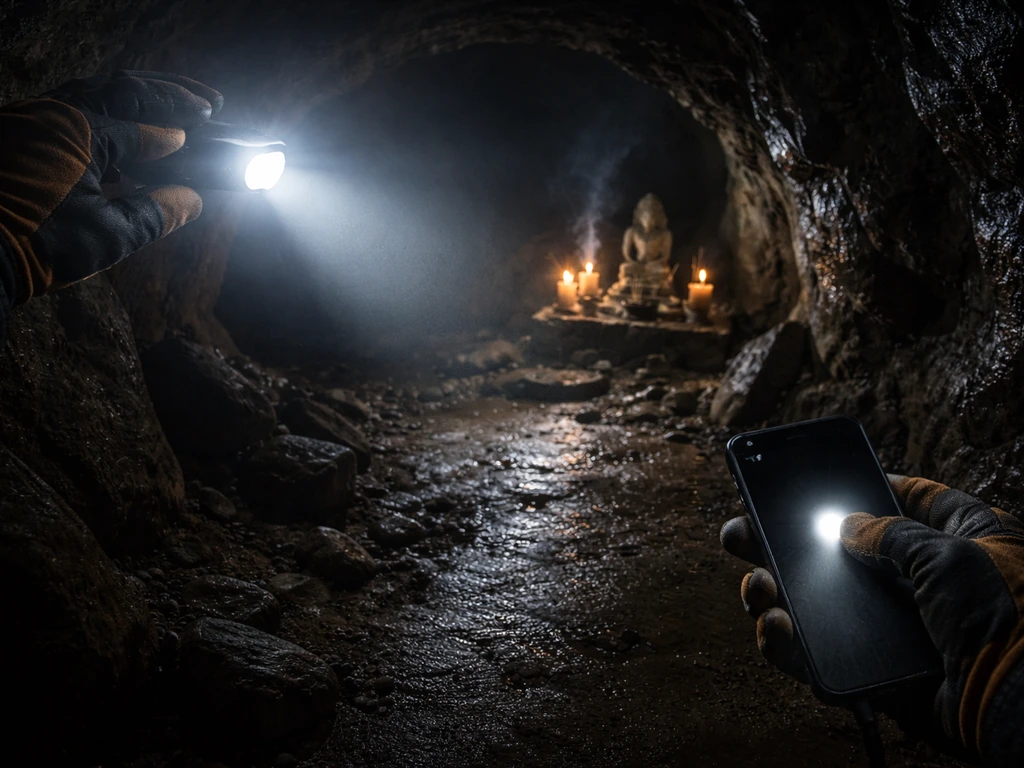
If you are inside an actual cave shrine or a dimly lit temple space, low light is a genuine practical concern before it is a symbolic one. Your eyes need time to adjust, the ground is often uneven, and the instinct to rush kills the experience anyway. Slow down more than feels necessary. Give yourself at least five to ten minutes of adjustment before you trust your footing or your reading of the space.
- Bring a headlamp rather than a phone flashlight. Headlamps keep your hands free and illuminate where you are actually stepping, not just where you are pointing.
- Use red-light mode if your headlamp has it. Red light preserves night vision better than white light and feels less jarring in a sacred space.
- Tell someone where you are going before entering any cave shrine, regardless of how 'easy' the access looks.
- Check access permissions in advance. Many cave shrines, especially in indigenous territories or archaeological preserves, require permits, guided entry, or are off-limits to casual visitors. Showing up unannounced is both unsafe and disrespectful.
- Move slowly and pause often. The symbolism of little light only works if you actually sit in it for a moment instead of rushing through.
- If you feel disoriented or anxious, that is normal. Threshold spaces are designed to destabilize ordinary consciousness slightly. Breathe, orient yourself physically, and let the feeling pass before moving deeper.
In Sea of Thieves, 'navigating low light' is a simpler but still real issue. Dark caves can obscure riddle markers and make it easy to miss the bird skull entirely. Turn up your in-game brightness if needed, use a lantern if the game offers one, and move slowly along cave walls rather than sprinting through the center. The skull and cave drawings are often at eye level but easy to overlook if you're moving fast.
Reading what you find: bird imagery and what it's telling you
Once you are in the right space, whether a physical shrine or an in-game cave, the imagery you encounter has layers worth paying attention to. Bird symbolism is not one-size-fits-all, and the specific bird (or parts of a bird) matters enormously.
- A bird skull: mortality, transition, and the power that persists after death. In many traditions, the skull of a powerful bird is not a sign of ending but of concentrated, distilled energy. The spirit remains.
- Feathers: across biblical, Native American, and Egyptian frameworks, feathers represent the soul's lightness, truth (Maat's feather in Egyptian judgment), protection, and divine contact. A single feather in a dark space is a significant symbol.
- Wings without a body: freedom, the capacity for ascension, and the possibility of transformation that hasn't happened yet.
- Nesting imagery (a bird settled, eggs, a hollow in stone): protection, gestation, the hidden thing that is still becoming. This is a particularly tender symbol in a dark space, since nests in caves are both vulnerable and fiercely guarded.
- An eagle or large raptor: solar energy, divine authority, the capacity to see clearly from a great height. In an Aztec or Native American context, a colossal eagle shrine is directly tied to power and cosmic order.
- A raven or corvid: in Norse, Celtic, and Native American traditions, ravens in dark or liminal spaces are messengers, tricksters, and truth-tellers. If the bird imagery looks like a raven, expect the meaning to be complex rather than simple.
In the Sea of Thieves cave specifically, the bird skull on the wall operates as a marker of place, but you can read it symbolically too if that's useful to you. If you meant the divine beast question, the key is identifying which bird form the clue refers to which divine beast is the bird. A colossal skull in a cave is a death-and-threshold symbol in almost every tradition. You are standing at the edge of something. That's not just game design aesthetic: it's a mythological grammar that game designers draw from, often consciously.
For those researching related mythological figures and locations, this kind of colossal bird-in-darkness imagery connects to traditions explored in discussions of giant birds in places like Helheim in Norse myth, or to the broader question of who the bird god is across cultures. In Norse myth, this can also lead people to ask what the giant bird is in Helheim giant bird in Helheim. The colossal scale paired with darkness is a consistent symbolic combination pointing to power that operates outside normal human perception.
Your personal next steps: questions worth sitting with
Whether you came to this article looking for a game solution or something more personal, the imagery is rich enough to be worth a moment's reflection. Here are prompts you can use as a short journaling or meditation practice after your visit to the shrine, physical or digital.
- What did I feel in the low-light space before I found what I was looking for? Note that feeling, because threshold discomfort is often where the most useful personal information lives.
- Which specific bird image caught my attention most? Not the one I was looking for, but the one I noticed first, or kept returning to.
- What is the bird in that image doing (resting, watching, displayed in death, mid-flight)? The posture of the bird tells you something about the quality of the energy in that space.
- If the darkness of the shrine represents something I haven't been able to see clearly yet in my own life, what would that thing be?
- What would I need to bring with me (metaphorically) to navigate this dark space more confidently next time?
If you want a ritual framing: before you enter any dark or sacred bird space again, pause at the threshold and name out loud (or in writing) what you are seeking. Bird symbolism across every tradition covered on this site, biblical, Egyptian, Native American, Celtic, Aztec, treats the bird as a carrier of intention as much as a carrier of meaning. Naming what you are looking for is the oldest form of prayer, and it works just as well at the mouth of a cave as it does at an altar.
The practical bottom line: if you are playing Sea of Thieves, go to Plunder Valley, find the cave, and look for the large bird skull on the wall with drawings nearby. Rare Thief’s Sea of Thieves interactive map for blank" rel="noopener noreferrer">Plunder Valley shows the “colossal bird shrine” marker near this cave scene. That's the colossal bird shrine where there is little light. If you are searching for something more, you have just stepped into a conversation that has been going on across cultures for thousands of years, and the birds in the dark have always been the ones pointing the way. If you are also exploring related OTT and Indian content, you might want to look into the good lord bird ott india details as a next step. If you are wondering, “who is the bird god,” that question usually points to the specific culture and symbolism behind a given shrine bird shrines.
FAQ
How can I confirm I found the right Sea of Thieves location if the cave is hard to see in?
Use two markers at once, the cave context in Plunder Valley and the large bird skull fixed to the cave wall. Then check for the nearby cave drawings, they are usually the quickest “yes, this is it” confirmation even when you miss the exact riddle text.
What’s the easiest way to avoid missing the bird skull or drawings in low light?
Don’t sprint. Move slowly along the wall and stop when the cave geometry changes (a corner, a widening, or a ledge). Your eyes will catch wall art more reliably at eye level once your movement pauses.
If the phrase could be a riddle, where should I look first in Plunder Valley?
Start by searching for a cave mouth or dark passage rather than open terrain. In this clue pattern, the “little light” detail usually means you must enter a cave-like interior, then the bird skull and drawings function as the final identifiers.
What if I’m researching a real-world bird shrine, but I can’t tell which culture it belongs to?
Treat bird species and material as your first filter. The same “bird in darkness” theme appears in multiple regions, but carvings or motifs tied to a specific tradition (temple style, language of iconography, or distinct bird forms) usually reveal the culture once you narrow these details.
Is “little light” always meant literally for bird shrines?
Not always. In many sacred spaces, low light is practical (caves, thick walls, windowless chambers) and also symbolic, but some sites use “darkness” metaphorically. If the space is brightly lit yet described the same way, look for other threshold cues like sanctum layout, restricted entry, or a prominent bird icon at a transition point.
Why do bird shrines often appear at thresholds like caves, river crossings, or hill formations?
Because the shrine’s job is symbolic anchoring. Birds are commonly used to represent movement between realms (earth and sky, life and death, ordinary and sacred), so the shrine is placed where people already feel a boundary or transition.
What’s a good safety and comfort approach when visiting a dim cave shrine (real or in-game)?
Give yourself time for eye adjustment before trying to read details or judge footing. In a physical cave, take small steps, keep one hand free for balance if needed, and avoid rushing, uneven ground plus darkness is the most common risk.
If I want to extract a meaning from the shrine, what should I focus on?
Focus on inversion and threshold. The “bird in darkness” idea often means the wisdom is hidden or “earned,” so ask what is being tested for you personally (patience, attention, vulnerability to not seeing clearly) rather than only what the bird “represents” on paper.
How do I distinguish a divine-beast-style bird clue from a generic bird shrine description?
Look for explicit mapping to a specific bird form in the clue set. If the content you’re following frames it as a named entity (for example, a divine-beast-style question), then the bird identification step matters more than the cave atmosphere, and the “which bird is this” question is the deciding factor.
What common mistake leads people to miss the shrine even when they’re nearby?
They focus on the open area first and never enter the dim interior. For “little light” clues, the key content typically lives inside the dark space, so failing to check caves or side passages is the most frequent miss.
Colossal Bird Shrine Where Rock Encases: What It Refers To
Interpret the phrase colossal bird shrine where rock encases with meanings of birds and encased stone and how to verify