
The bird that inspired the design of the Lok Sabha hall is the Peacock, India's National Bird. PIB-linked NIS material labels the Lok Sabha Hall as “National Bird: Peacock-themed Lok Sabha Hall.”. This is confirmed across multiple official government sources, including the Central Vista project site, Press Information Bureau (PIB) documents, and Parliamentary research material hosted on sansad.in. The Lok Sabha Hall in the new Parliament building was explicitly designed around the Peacock theme, just as the Rajya Sabha Hall was designed around the Lotus, India's National Flower.
Which Bird Inspired the Lok Sabha Design? The Key Symbol

Eleanor Hartwell
6 Jun 2026
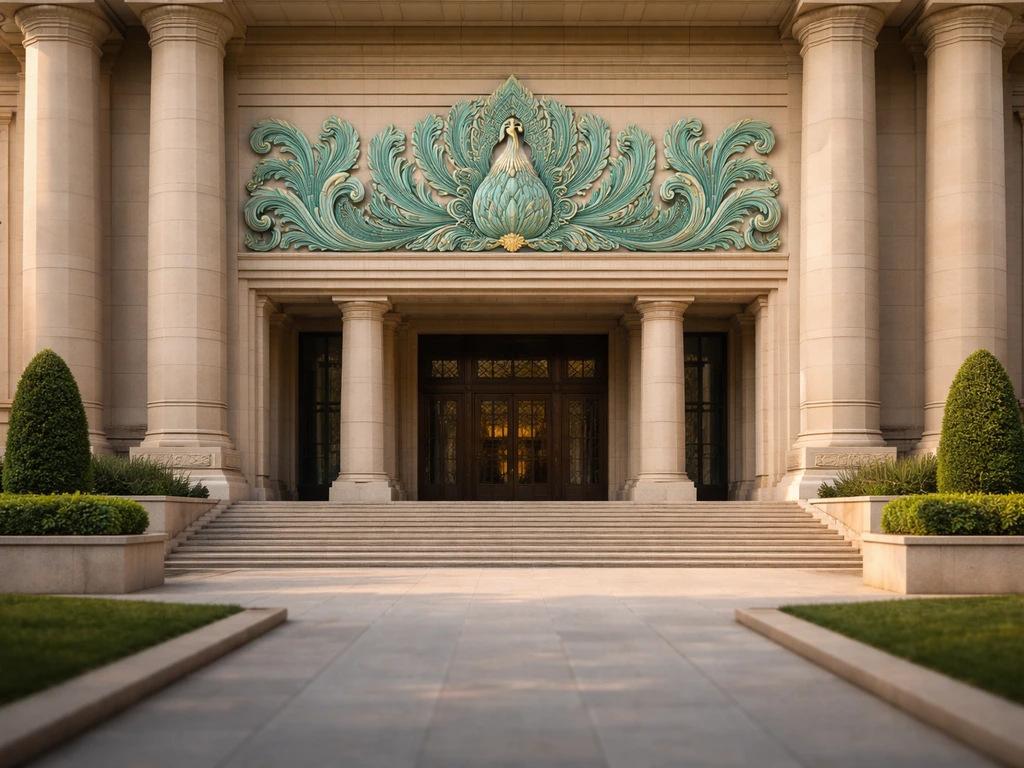
Where the Peacock design actually comes from
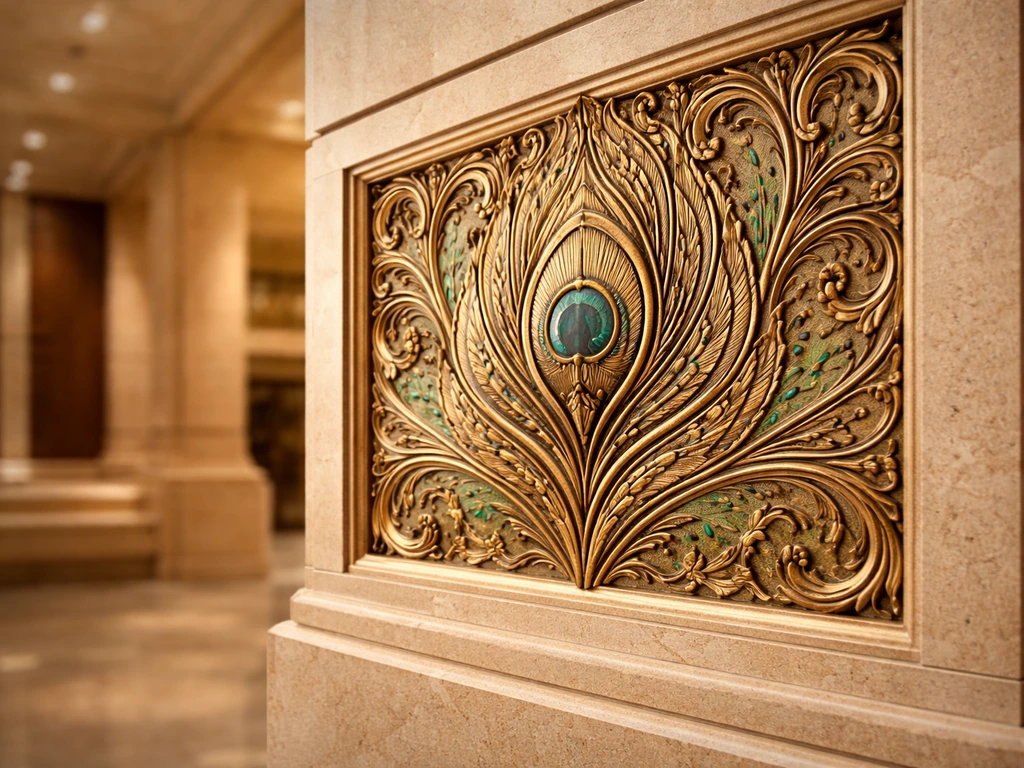
The connection between the Peacock and the Lok Sabha is not symbolic guesswork or folklore. It is a stated design decision tied to the redevelopment of the Central Vista and the construction of the new Parliament building, which was inaugurated in May 2023. The Central Vista Master Plan documentation specifically notes that the Lok Sabha Hall draws its interior references from the Peacock, while the Rajya Sabha Hall draws from the Lotus. A PIB-hosted document puts it plainly: 'Lok Sabha Hall, based on the theme of the national bird, Peacock, is three times bigger in size with 888 seats.' That 888-seat figure is itself significant, making the new Lok Sabha substantially larger than the old circular chamber.
The design intent was to root both legislative chambers in India's national symbols, creating an environment that reflects the country's identity rather than relying on colonial-era architectural language. The Peacock's colors, its feather patterns, and its regal bearing all informed the interior palette, motifs, and detailing of the Lok Sabha Hall. This was a deliberate, documented choice, not an organic folk tradition or a retroactive interpretation.
What the Peacock symbolizes, and why it fits
If you approach this question from a bird symbolism perspective, the choice of the Peacock for a legislative chamber makes deep cultural sense. In Hindu tradition, the Peacock is associated with Kartikeya, the god of war and leadership, and it serves as the vahana (vehicle) of Saraswati, the goddess of wisdom and learning. Both associations carry weight in a space meant for governance and deliberation.
The Peacock also appears widely in Mughal and Rajput art as a symbol of royalty, beauty, and divine favor. Its presence in Indian iconography stretches back thousands of years. Kabir Das also emphasized spiritual truth through everyday imagery, which can help you interpret why the Peacock theme is linked to deeper cultural meaning Kabir Das explanation.
The bird's famous display behavior, fanning its iridescent feathers in a wide arc, has historically been read as a symbol of watchfulness and all-seeing awareness. Each 'eye' on the feather was interpreted by ancient observers as a form of cosmic vision, a quality you would want embedded, literally and symbolically, into a place where laws are made and the public trust is exercised. Feathers themselves carry layered meaning across traditions: in Egyptian symbolism, the feather of Ma'at represented truth and justice, and while the Peacock is rooted in South Asian and Central Asian symbolism rather than Egyptian, the resonance between feathers and governance is genuinely cross-cultural.
The Peacock is also associated with rain and renewal in Indian folk tradition. Its dance at the arrival of monsoon clouds has long been read as a celebration of life returning to the land. For a chamber that ideally represents the renewal of democratic mandate every five years, that symbolic layer is quietly apt, even if the architects were working from aesthetics and national identity rather than spiritual symbolism directly.
Why people get confused, and how to verify the right answer

The confusion around this question usually comes from two places. So if you are asking where the giving-the-bird idea comes from, the answer is that it traces back to the Peacock theme explicitly used for the Lok Sabha Hall during the Central Vista redevelopment where did giving the bird come from.
First, people conflate the Lok Sabha's new Parliament building design with the much older official emblem of the Parliament of India, which features the Lion Capital of Ashoka (the four lions atop the Sarnath pillar) and does not feature a bird at all. That phrase, who said a bird in the hand, often appears in general quotes, but it is unrelated to the Peacock design used in the Lok Sabha Hall.
The Lion Capital is the State Emblem of India and appears on official government seals, currency, and documents. Second, some searches pull up references to the Rajya Sabha's Lotus theme or older decorative motifs in Parliament House, leading to further mix-up.
The simplest way to verify the Peacock-Lok Sabha connection today is to search for the PIB press release or PDF about the new Parliament building, or visit the official Central Vista project website (know-central-vista-plan.php). Look specifically for language about 'national bird themed Lok Sabha Hall' or '888 seats.' Those two details together confirm you are reading about the correct, authoritative source. The sansad.in domain, which hosts Parliamentary Research and Training Institute documents, is another reliable reference. Avoid relying on general knowledge articles or social media posts, which frequently confuse the emblem (Lion Capital) with the interior design theme (Peacock).
Quick checklist for verifying this claim
- Search for PIB documents referencing the new Parliament building and look for 'Peacock-themed Lok Sabha Hall'
- Check the Central Vista official project page for interior design references tied to national symbols
- Look for the 888-seat figure as a confirming detail specific to the new Lok Sabha chamber
- Distinguish between the Parliament's official State Emblem (Lion Capital of Ashoka) and the new building's interior design theme (Peacock)
- Cross-reference with sansad.in hosted PRTI documents for Parliamentary-level confirmation
What the Lok Sabha emblem and logo stand for beyond the bird
The broader symbolism of the Lok Sabha, as an institution, is encoded in the State Emblem it shares with all of India's government bodies. The Lion Capital of Ashoka, adopted as India's national symbol in 1950, represents courage, confidence, and sovereignty. The inscription beneath it reads 'Satyameva Jayate,' meaning 'Truth alone triumphs,' drawn from the Mundaka Upanishad. This is the foundational symbolic layer of all Indian parliamentary identity.
The Peacock theme in the new Parliament building adds a second, complementary layer. Where the Lion Capital speaks to strength and truth, the Peacock speaks to the richness and diversity of India's natural and cultural heritage. Together, they represent an effort to connect modern democratic governance to deep roots in Indian tradition, both ancient political philosophy and the living natural world. That dual symbolism is actually quite coherent: strong leadership (lions, four-directional vision) paired with beauty, watchfulness, and renewal (the Peacock's eyes, its seasonal dance, its place in myth and art).
If you are drawn to bird symbolism broadly, the Peacock's elevation to the centerpiece of India's primary legislative space is worth sitting with. Across traditions, birds associated with governance tend to be birds with exceptional vision: eagles in Roman and American symbolism, the falcon of Horus in Egyptian tradition, and in South Asian iconography, the Peacock with its thousand watching eyes.
The idea that a nation's lawmaking should happen under the symbolic gaze of a creature representing all-seeing awareness and wisdom is not unique to India, but the Peacock makes it distinctly, beautifully Indian. It connects to threads you find across bird symbolism worldwide, from questions about what gods birds represent to how birds like Lakshmi's owl or the cosmic birds of Kabir Das's poetry carry meaning that governance alone cannot hold.
People also ask what the phrase “bird god” means in the context of Indian bird symbolism.
| Element | Symbol Used | What It Represents |
|---|---|---|
| Lok Sabha Hall interior theme | Peacock (National Bird) | Richness, vision, wisdom, Indian natural heritage |
| Rajya Sabha Hall interior theme | Lotus (National Flower) | Purity, growth, spiritual elevation |
| Official Parliament emblem | Lion Capital of Ashoka | Courage, sovereignty, truth ('Satyameva Jayate') |
| National motto (on emblem) | Satyameva Jayate | Truth alone triumphs (Mundaka Upanishad) |
FAQ
Is the peacock theme the same thing as the official Parliament emblem?
The bird theme applies to the interior design of the Lok Sabha Hall in the new Parliament building, not to the official Parliament emblem. The state emblem used across India’s government bodies is the Lion Capital of Ashoka, which appears on seals and official documents, and it does not include a bird.
How can I tell if I am looking at the Lok Sabha peacock design or the Rajya Sabha lotus design?
No, the peacock and the lotus are separate, with the peacock associated with Lok Sabha and the lotus associated with Rajya Sabha. If you are checking visuals or seat photos, confirm you are looking at the correct chamber, since people often mix up the two national-symbol themes.
Was the peacock theme only decoration, or is it documented as a core design theme?
A common misunderstanding is that the peacock is just a decorative motif. In the Central Vista and new Parliament documentation, it is described as a hall theme for the Lok Sabha interior, and the seat count reference (888 seats) is used to identify the same redesigned chamber.
What detail can I use to verify I am reading about the new Lok Sabha Hall redesign, not older Parliament details?
The “888 seats” detail is a practical cross-check because it uniquely points to the new Lok Sabha Hall configuration mentioned in PIB-style materials. If a source talks about seat count, and it matches that new figure, you are more likely reading about the official Lok Sabha Hall theme rather than unrelated Parliament lore.
Where exactly should I look in official material to confirm the bird inspiration?
If you are trying to trace the idea “which bird inspired the design,” the most reliable route is to look for official language that explicitly says “national bird, peacock,” or that ties the theme to the new Parliament and Central Vista redevelopment. General trivia pages often confuse the interior theme (peacock) with the state emblem (lion capital).
Will the peacock appear on official government seals or only inside the Lok Sabha Hall?
The peacock theme is not tied to Parliament’s emblemography, so you should not expect it to appear on the lion-capital-based seal. Instead, expect peacock-related colors, patterns, and interior motifs in the Lok Sabha Hall space itself.
Does the “bird in the hand” saying have anything to do with why the peacock was chosen for the Lok Sabha Hall?
If your question is motivated by a “bird in hand” quote you saw online, that phrase is not connected to the Lok Sabha peacock theme. It is usually a general quote, while the documented Lok Sabha inspiration is linked to the Central Vista redevelopment and the new hall design.
What is the best way to double-check the claim using more than one official source?
For a deeper confirmation beyond one PDF, compare two independent official-style references: one that summarizes the hall theme (peacock for Lok Sabha) and another that describes the broader Central Vista plan or design documentation. Agreement between them reduces the chance of relying on a mistaken secondary summary.
Is the peacock choice explained as symbolism in official design documents, or is it mainly aesthetic/national-symbol theming?
Even though the article discusses cultural and religious symbolism, the design rationale in the official materials is primarily presented as national-symbol theming for the chamber. If you need a strict answer, focus on the “hall based on the theme of the national bird (peacock)” statements rather than interpretations of feather symbolism.
Could older Parliament House design references be the reason people get this wrong?
Yes, it is easy to confuse the Central Vista “new Parliament building” interior theme with older decorative elements and with the Rajya Sabha lotus theme. The safest approach is to verify you are looking at content specifically about the new Parliament building inaugurated in May 2023 and about Lok Sabha Hall interior references.
Next Articles

Where Did Giving the Bird Come From Origins and Meaning
Origins of the giving the bird gesture, how it evolved into today’s insult, plus bird symbolism across cultures and cont
Which Bird Is Associated with Goddess Lakshmi? Meaning
Lakshmi’s most cited bird is the owl, symbolizing auspicious wisdom, prosperity, and divine grace in Hindu tradition.
Who Said A Bird in the Hand? Provenance and Meaning
Find who said a bird in the hand, why no single source is sure, plus spiritual bird symbolism for daily guidance.