
The phrase 'May the Bird of Paradise fly up your nose' comes from Johnny Carson's Tonight Show comedy style in the 1960s. It is a put-down, not a blessing. Little Jimmy Dickens turned it into a novelty song that hit No. 1 on the Billboard Hot Country Singles chart in November 1965, cementing the line in American pop culture. Billboard’s weekly single charts for the week dated November 6, 1965 show the placement for “May the Bird of Paradise Fly Up Your Nose.” blank" rel="noopener noreferrer">November 1965. But here is the interesting thing: once you strip away the comedic sting and sit with the image itself, the Bird of Paradise carries genuine symbolic weight across cultures, art, and spiritual traditions. You can absolutely reclaim 'May the Bird of Paradise...' as a personal blessing or intention, as long as you understand what you are actually reaching for.
May the Bird of Paradise Meaning Explained by Johnny Carson


The Johnny Carson Connection

Johnny Carson was famous for his quick wit and put-down humor during his tenure hosting The Tonight Show. The phrase 'May the Bird of Paradise fly up your nose' circulated through his comedy as a mock curse, the kind of absurdist insult that lands because it sounds almost formal but means something ridiculous. When Little Jimmy Dickens released his song on September 7, 1965, he credited Carson-style comic put-downs as the inspiration. The song became a genuine country hit, which is why the phrase stuck around. Most people searching for this phrase today are either trying to track down that comedic origin or, more interestingly, they have heard it somewhere and felt an instinct that there might be a deeper meaning hiding inside it. That instinct is not wrong, but it helps to start from the right foundation: this is a joke that contains a real symbol.
What the Bird of Paradise Actually Symbolizes
The birds of paradise (family Paradisaeidae) are real birds, native to the rainforests of Papua New Guinea and surrounding regions. They are remarkable creatures, feeding largely on fruit and displaying some of the most elaborate plumage in the natural world. The Oxford University Museum of Natural History documents their habitat in these equatorial rainforests, and it is precisely that extravagant beauty, in a remote and lush environment, that gave rise to centuries of symbolic meaning. European traders first encountered the skins in the 1500s and, because the legs had been removed for preservation, believed the birds never landed, that they lived perpetually in flight between heaven and earth. That image, a creature so beautiful it seemed to belong to paradise itself, shaped the symbolism that followed.
In spiritual and cultural frameworks, the Bird of Paradise tends to cluster around a consistent set of meanings: beauty that transcends the ordinary, joy that arrives unexpectedly, freedom and transcendence, divine blessing or favor, and the kind of good fortune that feels almost too vivid to be real. In Papua New Guinea, bird-of-paradise feathers have been used for generations in ceremonial headdresses and ritual dress, grounding this symbolism in lived cultural practice rather than abstract idea. The bird is not just a metaphor there; it is a marker of sacred occasion, status, and connection to something larger than the everyday.
It is also worth knowing that the bird shares its name with the Strelitzia plant, commonly called the bird of paradise flower because its orange and blue petals look strikingly like a bird in flight. Georgia O'Keeffe painted this flower in her 'White Bird of Paradise,' and the plant carries its own symbolic resonance around beauty, freedom, and faithfulness. When you encounter the phrase 'Bird of Paradise' in symbolic contexts, it can draw on both the bird and the flower, and both point in the same direction: extraordinary beauty, arrival of something rare, and a sense of being gifted with grace. Strelitzia reginae is commonly known as the “crane flower” and “bird of paradise,” a regional/common-name history that helps explain how “bird of paradise” can refer to both a plant and a symbol.
Cultural and Religious Context
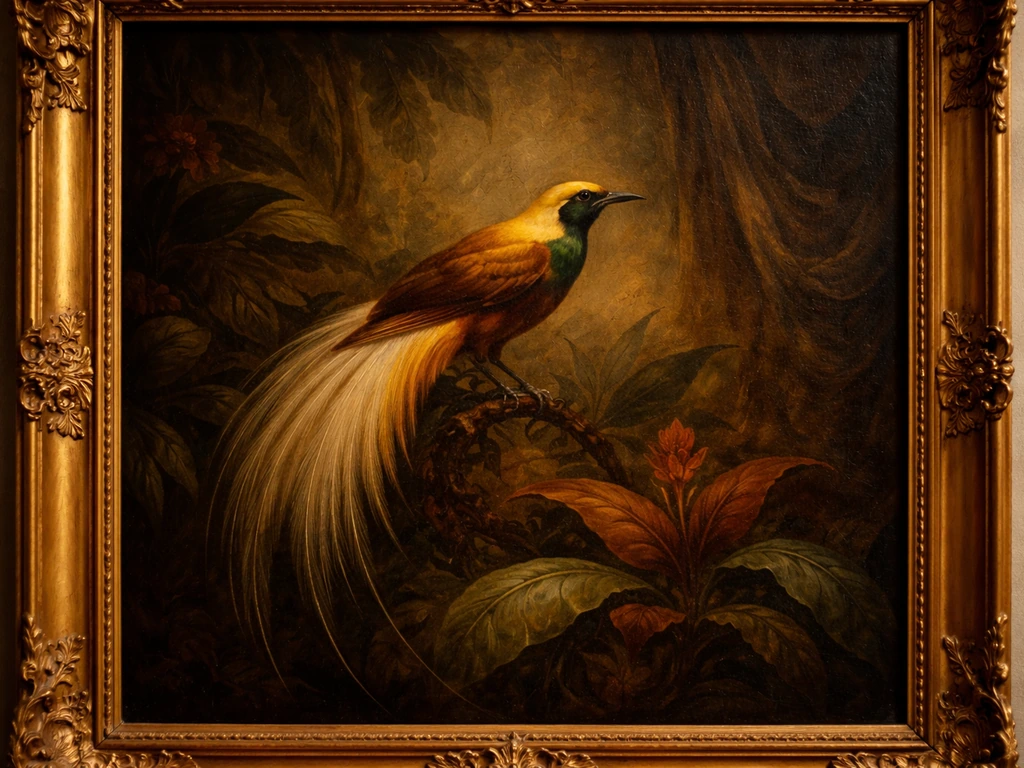
In the European art tradition, the bird of paradise appeared in paintings as a symbol of exoticism, geographic wonder, and divine abundance. Peter Paul Rubens included the bird in works that treated it as a sign of nature's extravagance and God's creative generosity. The Cambridge University visual culture research on birds of paradise notes how portrayals across centuries intersect art, science, and ideas about distant, luminous places. The bird represented something beyond the ordinary world, a glimpse of what paradise might actually look and feel like.
In Christian-adjacent symbolism, the idea of paradise itself is central. The name connects directly to the Garden of Eden and to the promised restoration of what was lost. A bird that lives in paradise, or that brings paradise with it, becomes a natural image for divine blessing, spiritual arrival, and grace entering ordinary life. For many Christians, the biblical meaning of the bird of paradise connects with paradise, divine blessing, and grace entering daily life. This is not a stretch of the symbol; it is embedded in the name itself. Across Melanesian indigenous traditions, the bird's ceremonial use reinforces its role as a connector between earthly and spiritual realms, worn during the most sacred communal moments.
| Tradition / Context | What the Bird of Paradise Represents |
|---|---|
| Papua New Guinea indigenous culture | Sacred status, ceremonial honor, connection to the spirit world |
| European art (17th century) | Exoticism, divine creative abundance, wonder at creation |
| Christian symbolic tradition | Paradise, divine blessing, grace entering the ordinary |
| Modern spiritual symbolism | Joy, transformation, rare good fortune, transcendence |
| Bird of paradise flower (Strelitzia) | Beauty, freedom, faithfulness, joyful arrival |
Reading 'May the...' as a Blessing
The grammatical structure 'May the...' is what linguists call an optative construction, a way of expressing a wish or prayer. It is the same structure as 'May the Lord bless you and keep you,' the Aaronic Blessing from Numbers 6:24-26, which has been spoken over communities for thousands of years. When you say 'May the...' you are not making a prediction or casting a spell. You are expressing a sincere wish, an intention, a prayer directed toward someone's flourishing. Catholic and Anglican liturgical practice uses exactly this structure in benedictions: 'May the peace of God keep your hearts.' These are invocations, not guarantees.
When you take Carson's comedic phrase and flip it from a put-down into a genuine blessing, you are essentially doing what blessing language has always done: taking a formula and filling it with intention. 'May the Bird of Paradise come to you' becomes a way of wishing someone beauty, joy, transcendence, and divine favor. The comedic origin does not cancel out the symbolic power; if anything, it makes the reclamation more interesting. You are consciously choosing to reach for the deeper meaning rather than the joke.
How to Apply This Message to Your Own Life

The most grounded way to work with any bird symbol is to let it function as a lens rather than a prediction. If the Bird of Paradise has come to your attention, through a dream, an image, this phrase, or an actual encounter with the bird or flower, the question worth sitting with is: what would it mean for beauty, joy, or grace to arrive unexpectedly in your life right now? If you are also wondering what the may the bird of paradise meaning is in practice, notice what kind of beauty, joy, or grace you feel invited to receive. Not what will happen, but what would it mean, and what might you be missing if you are not looking for it.
Timing matters in symbolic interpretation. Birds of paradise are associated with peak vitality, display, and full expression. If you are wondering bird of paradise when does it bloom, learning its flowering schedule can help you connect the symbolism to what the plant is actually doing. If the symbol is appearing in your life during a period of contraction, grief, or waiting, it may be pointing toward what is trying to emerge rather than what is already present. If it arrives during a moment of joy or opportunity, it may be an invitation to receive that fully rather than deflect it.
- Notice where in your life something beautiful, joyful, or unexpectedly graceful is trying to show up, and ask whether you are letting it in.
- Use 'May the Bird of Paradise...' as a blessing you speak over someone else, filling in what you genuinely wish for them: joy, creative flourishing, a sense of divine favor.
- If you are in a season of waiting or difficulty, treat the symbol as a directional marker rather than a promise: what does paradise, in your own terms, look like from where you are standing?
- Pay attention to encounters with the bird-of-paradise flower, the actual bird in nature documentaries or images, or even the color combination of vivid orange and blue, all of which can serve as anchors for the reflection.
Reflection Prompts and Simple Spiritual Practices
One of the most accessible and theologically grounded practices for working with blessing intentions is the Ignatian Examen, a daily review of your experience in the presence of God. Rather than looking for external signs that a blessing has 'worked,' the Examen asks you to review your day with honesty: where did you notice beauty, gratitude, or grace? Where did you miss it? This turns symbol-intentions into real self-knowledge rather than wishful thinking.
Lectio Divina, the ancient Christian practice of sacred reading, offers another framework. Its Oratio step, prayer, invites you to speak back to God using the language of what you have encountered. You can adapt this by writing a 'May the...' intention in a journal each morning: 'May the Bird of Paradise bring beauty into this day's ordinary moments.' This is not a magic formula; it is a conscious orientation of attention and desire. Over time, that orientation changes what you notice.
- Morning intention: Write one 'May the Bird of Paradise...' statement that expresses a genuine wish for yourself or someone you love today.
- Evening review: Using the Examen structure, ask where beauty, joy, or unexpected grace showed up in your day, even in small forms.
- Creative anchor: Keep an image of the bird of paradise (bird or flower) somewhere visible as a daily prompt to look for what is extraordinary inside the ordinary.
- Blessing practice: Use the phrase as a spoken blessing over someone in your life, adapting it to what you most want for them right now.
- Journaling prompt: What would it mean for 'paradise' to arrive in your current circumstances, not as escape, but as a quality of presence?
Common Misinterpretations to Watch For
The biggest misreading is treating the 'May the...' structure as a mechanism rather than an expression. Blessing language, whether in Numbers 6 or in your morning journal, is a wish and a prayer, not a prediction or a guarantee. A reader-level discussion in a Numbers 6:24, 26 forum highlights how this “May” blessing language functions as a scripture-based wish and benediction rather than a prediction blank" rel="noopener noreferrer">Blessing language, whether in Numbers 6 or in your morning journal, is a wish and a prayer, not a prediction or a guarantee.. The Bird of Paradise showing up in your life does not mean good fortune is certain; it means beauty and grace are available, if you orient toward them. That is actually a more useful spiritual position than expecting a specific outcome.
A second misreading is forgetting the comedic origin entirely and treating the phrase as an ancient mystical formula. It is not. Its best-documented pop-culture origin is a 1960s joke, and being honest about that is part of working with it authentically. You can absolutely reclaim it as a blessing; just do so with clear eyes rather than inflating its history. The symbol inside the phrase is real and rich. The phrase itself is a piece of Americana that happens to carry a potent image.
Third, be careful about over-reading specific encounters as personalized omens. Seeing a bird-of-paradise flower at a garden center does not necessarily mean the universe is sending you a message. It might simply mean you are now paying attention. That attention itself is valuable, but grounding it in honest self-reflection rather than a chain of external signs keeps the practice healthy. The most reliable confirmation of a symbolic message is not what happens outside you, but what clarifies inside you when you sit with the image honestly.
If you are drawn to the broader symbolism this phrase touches, the deeper questions about what the Bird of Paradise represents across traditions and what a 'May the... If you want a focused comparison, you can also review what does the bird of paradise symbolize in the section that breaks down the core meanings by tradition what the Bird of Paradise represents. ' blessing actually invokes, these are rich areas worth exploring on their own terms. The bird carries centuries of meaning around paradise, transformation, and divine beauty, and the blessing structure itself has a long and serious history in religious practice. Taken together, even a Carson-era joke can open a door worth walking through, as long as you are clear about what is on the other side.
FAQ
Is "May the Bird of Paradise fly up your nose" always meant as an insult?
In modern use, it often gets treated as a joke line, but context matters. If someone says it to tease or demean, it functions as a put-down, but if you are using the “May the...” wish form intentionally (for yourself or as a benediction), you can shift it into a non-humiliating blessing by changing the target and wording, for example “May the Bird of Paradise bring you beauty today.”
How can I reclaim the phrase as a blessing without sounding like I am endorsing the joke?
Use the same optative structure but remove the humiliating image. A practical approach is to keep “May the Bird of Paradise…” and replace the rest with values the symbol already carries (beauty, joy, grace), then say it in a calm, sincere tone, like a short prayer or wish rather than a catchphrase.
What if I keep seeing bird-of-paradise images, flowers, or birds, but nothing “good” happens right away?
That can be a sign to check your definition of “good fortune.” The grounded reading in the article treats the symbol as an invitation to notice and receive beauty and grace, not a guarantee of outcomes. A helpful next step is to track what internally shifts (gratitude, clarity, courage) during that same period, which is often where the “answer” shows up.
Are there safer ways to use the blessing language around other people?
Yes. If you want to say something to someone else, keep it short and non-physical, and avoid any versions that include bodily or aggressive imagery. For example, “May the Bird of Paradise bring you unexpected joy” works as a supportive intention, and it avoids the phrase’s comic sting entirely.
Is it okay to use this as a Christian prayer, or does the Carson origin change that?
It can be okay, but treat the origin as cultural history, not spiritual authority. The article frames the “May the...” pattern as a wish prayer found in religious language, so you can adapt it as devotional language (especially if you already practice benedictions or examen-style reflection). Focus on meaning, not on whether the phrase is historically “original” to your faith.
How do I avoid turning the symbol into an omen or prediction game?
Set a rule for yourself: no one-to-one promises. Instead of asking “Does the universe guarantee X?”, ask “What is inviting me to receive beauty, joy, or grace right now?” If you feel compelled to treat the next bird sighting as a verdict, pause and return to self-reflection as the article recommends.
Can the phrase be used in a journal or prayer practice without religious language?
Yes. You can keep the structure but make it personal and secular, for example “May the Bird of Paradise bring me creative energy in ordinary moments.” Then, pair it with a daily review question from the Examen (where did I notice beauty or gratitude today?), so it stays practical rather than purely symbolic.
What if the bird-of-paradise I notice is the flower, not the animal, does it change the meaning?
Usually it reinforces the same themes rather than contradicting them. The bird and the Strelitzia flower share visual symbolism around extraordinary beauty and freedom, so your interpretation can focus on the same values (rare arrival, uplift, grace). If the encounter happens in a specific season, you might also connect it to timing and your current life phase.
Does timing matter only for the plant, or also for dreams and other encounters?
Timing can matter across forms, but treat it differently. For the plant, bloom timing links symbolism to real cycles. For dreams or sudden images, “timing” is more about your inner season (waiting, grief, opportunity). In practice, ask what you were wrestling with before the encounter, then see how the symbol clarifies what you need.
What is the biggest mistake people make when they try to “interpret” this phrase?
Over-reading external signs into specific guarantees. The article already warns against treating encounters as personalized omens. A concrete safeguard is to write down two parts before deciding: (1) the symbol’s general invitation (beauty, joy, grace), and (2) one concrete, doable action you can take today that aligns with that invitation.
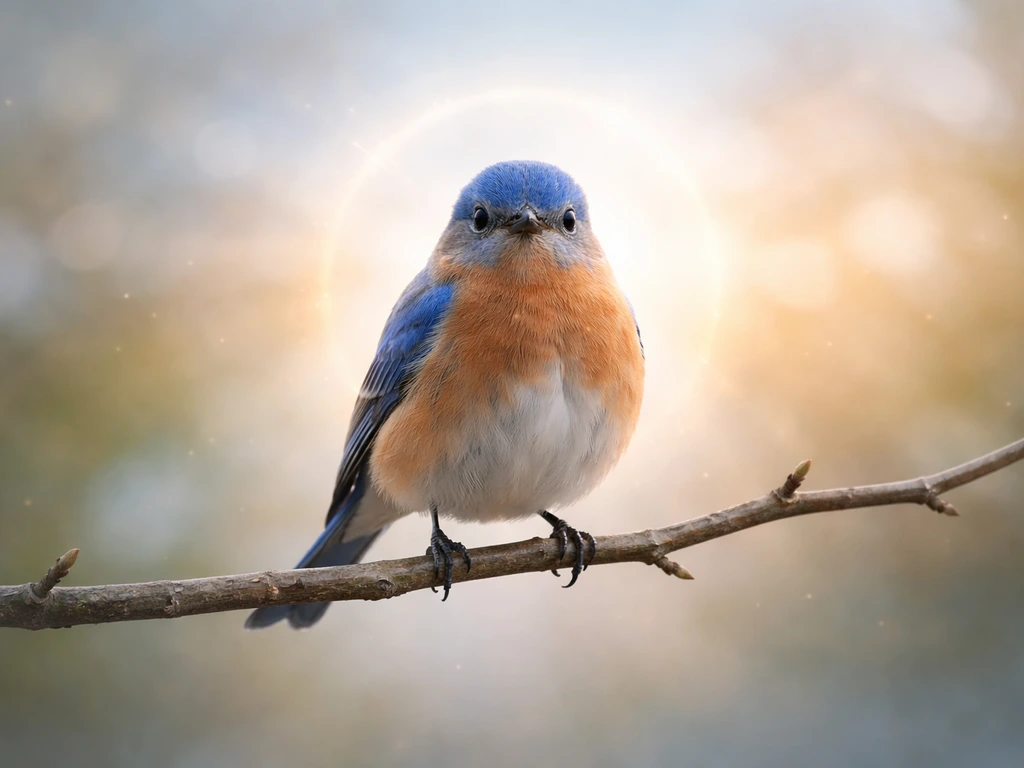
Discover the spiritual meaning of may the blue bird of happiness and practical ways to set intentions and spot signs.
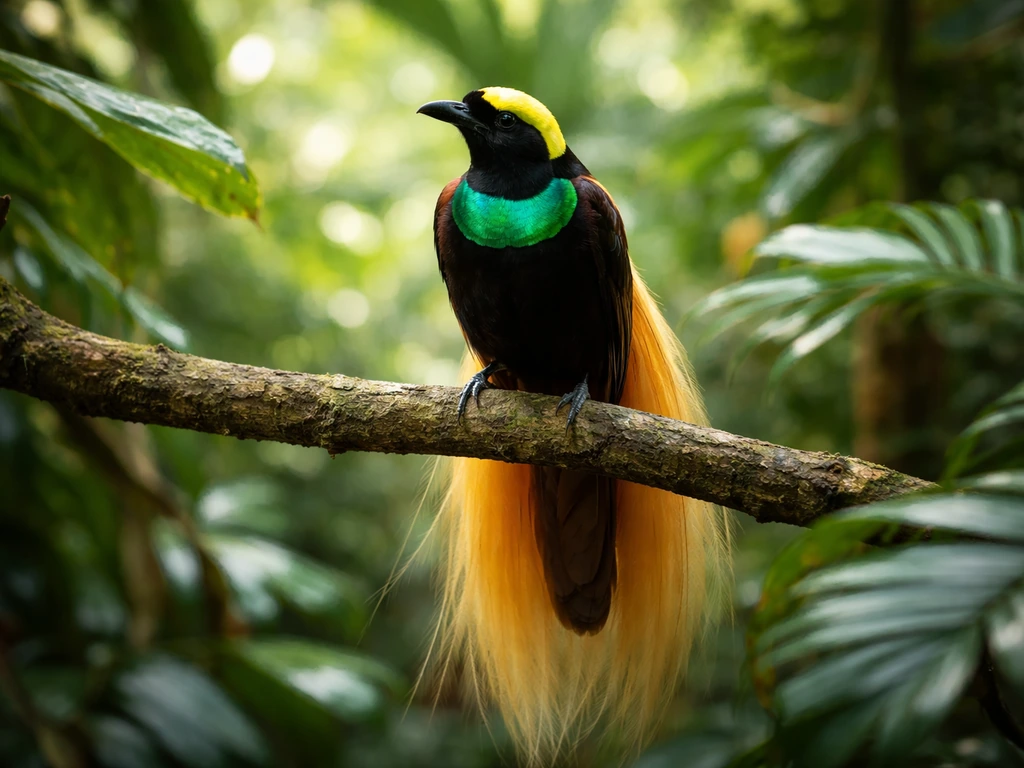
Explore the biblical meaning of bird of paradise using bird themes like God’s care, holiness, and devotion, with clear l
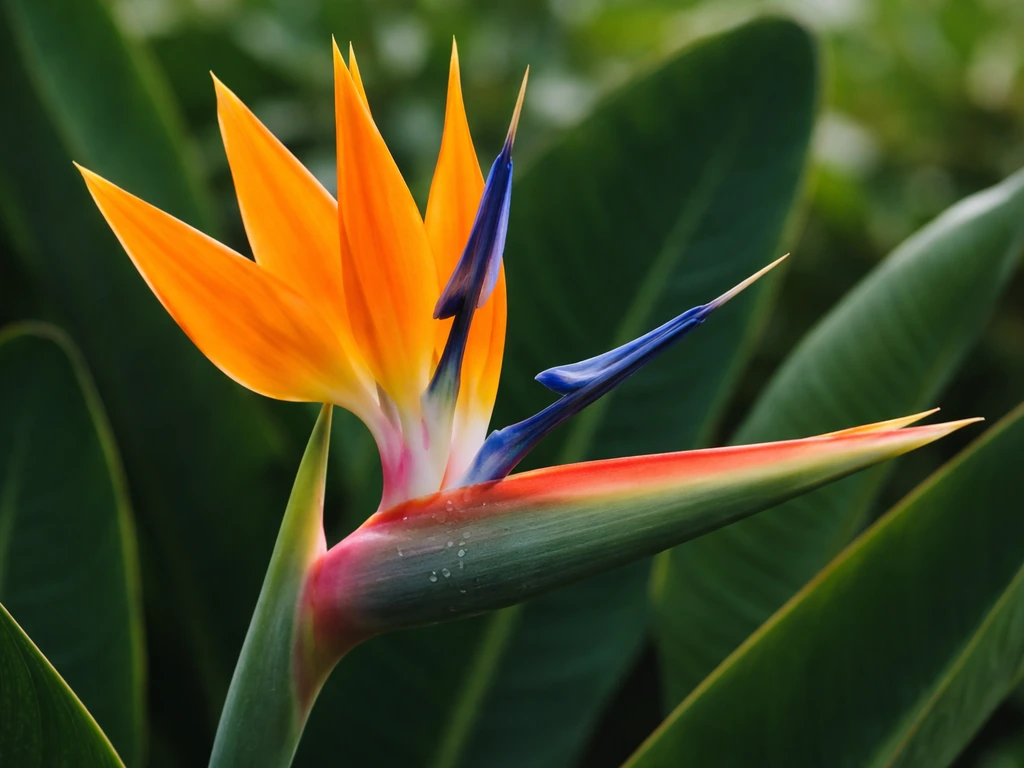
Bird of paradise bloom timing, how often it flowers, and step-by-step fixes to trigger blooms and troubleshoot no-flower