When someone says 'halcyon bird,' they are almost always pointing to a mythic symbol rooted in ancient Greek legend, not a single agreed-upon species you can look up in a field guide. The halcyon is most closely associated with the kingfisher in cultural and literary tradition, and its core meaning is peace, calm, protection, and renewal, especially during turbulent times. Think of it less as a bird you can identify by plumage and more as an archetype: a creature whose very presence signals that the storm will pass and the waters will still.
Halcyon Bird Meaning: Symbolism, Origins, and Practical How-To

Eleanor Hartwell
31 May 2026
What 'halcyon' actually means and where it comes from
The word 'halcyon' travels a long road to get to us. It enters English through Middle English as 'alceon,' borrowed from Latin 'halcyon,' which itself came from Greek 'halkyōn,' meaning a legendary bird that builds its nest on the sea. The Greek root is widely linked to 'hals' (sea) and a birth-related suffix, though etymologists note that this breakdown is probably folk etymology applied to a loanword rather than a cleanly compositional Greek compound. In other words, the parts of the word were back-engineered to match the legend, not the other way around.
From that literal 'sea-nesting bird' origin, the word shifted into a broader figurative register. By the time it entered common usage as 'halcyon days,' it had come to mean any idyllically calm, peaceful, or happy period, particularly one remembered fondly from the past. You will hear it used this way constantly: 'the halcyon days of early summer,' 'a return to more halcyon times.' That semantic drift from a specific mythological creature to a general mood of golden-era calm is itself part of the symbol's power.
The halcyon bird: species or symbol?
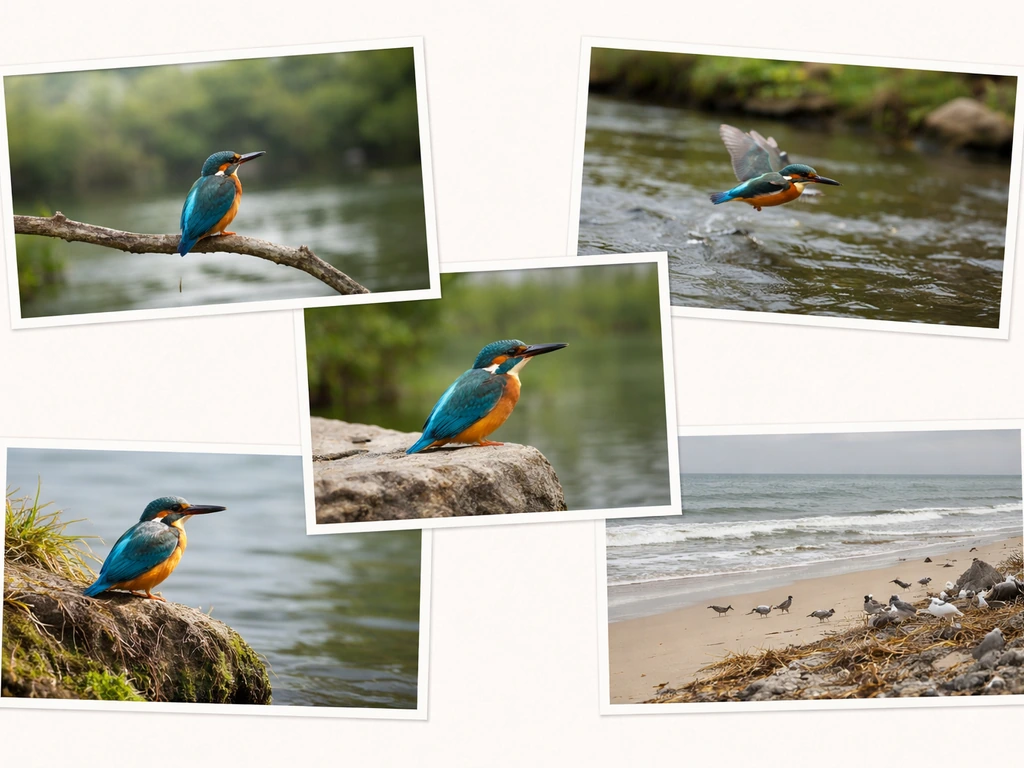
Here is the key ambiguity you need to sort out before interpreting anything: there is no single biological species universally called 'the halcyon bird.' Merriam-Webster is explicit that the halcyon of legend is just that, legendary. The mythic creature was retroactively mapped onto the kingfisher because kingfishers were already associated in ancient Greek observation with rivers, coasts, and moments of sudden stillness. That connection stuck, and 'Halcyon' even became a genus name in modern taxonomy (for example, Halcyon sanctus, the sacred kingfisher of Australasia), which layers zoological usage on top of mythological usage and adds to the confusion.
So when you encounter the term 'halcyon bird,' you are likely dealing with one of three things: a reference to the mythological creature from Greek tradition; a poetic or literary stand-in for the kingfisher; or a spiritual or symbolic concept attached to kingfisher-like imagery. All three carry overlapping meaning, and in practice the symbol works the same way regardless of which entry point you use. Some modern Liverpudlians also connect this kind of bird imagery to the Liverpool symbol of the Liver Bird and wonder why it became the city’s emblem why is the liver bird the symbol of liverpool. What matters is the symbolic content, not pinning down a species account.
Halcyon symbolism across cultures
The core themes of halcyon symbolism, peace amid chaos, protection during vulnerability, and calm as a divine gift, appear in varying forms across different traditions, even when the bird goes by different names.
Greek and Roman tradition
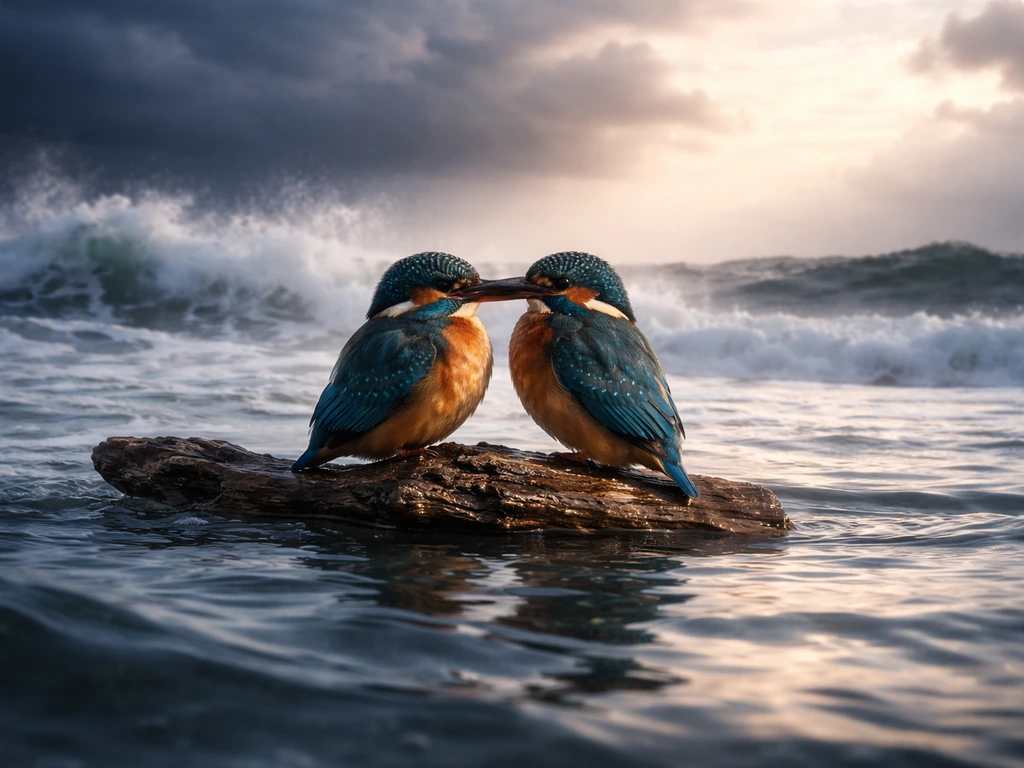
This is where the halcyon symbol is most fully developed. In the myth as told through Ovid's Metamorphoses (Book 11), Alcyone and her husband Ceyx are transformed into birds after his death at sea. The gods, moved by Alcyone's grief, grant her the power to nest on the sea during fourteen days around the winter solstice, seven days on either side of the shortest day of the year. During this window, her father Aeolus, god of winds, restrains the storms so her nest floats undisturbed. This is the origin of 'halcyon days': a literal divine truce with the elements, granted to protect something fragile and new. The symbolism is explicitly one of protection, renewal, and grief transformed into peace.
Broader Mediterranean and literary usage
Aristotle described kingfishers nesting on the sea surface and attributed the winter calm to their presence, a claim that persisted for roughly two thousand years and spread the halcyon symbolism far beyond Greek myth into the broader European cultural imagination. By the time it reached medieval European texts and reference works, the halcyon bird was associated with safe passage, calm waters, and good fortune for those navigating difficult crossings, both literal and metaphorical.
Cross-cultural parallels

The halcyon concept doesn't map perfectly onto non-European traditions, but its symbolic themes have clear relatives elsewhere. In many Native American traditions, kingfisher-like birds carry messages of clear vision and good fortune, particularly around water, which mirrors the halcyon's domain. In Celtic symbolism, birds associated with water and the liminal zone between worlds often signal peace and transition, themes that resonate with Alcyone's transformation. Egyptian traditions associated certain water birds with the soul's safe passage and divine protection, another parallel to the halcyon's role as a bird whose presence signals divine calm. These are not direct borrowings or equivalents, but they show that the symbolic cluster around water, birds, peace, and protection is widespread enough to feel intuitive across cultures.
Halcyon in religion, myth, and literature, including 'halcyon days'
Ovid's telling of Ceyx and Alcyone is the most complete literary treatment of the myth and the one that most influenced Western usage. The transformation narrative, two grieving lovers converted into birds who are then gifted peace by the gods, carries a deeply consoling message: even the most devastating loss can be followed by a divinely granted period of calm. That is a powerful religious and emotional statement, and it explains why the symbol endured.
In biblical-adjacent reference traditions, the halcyon days concept appeared in encyclopedic works and natural histories that bridged classical learning and Christian scholarship. The 'fortnight of calm' around the winter solstice became a recurring motif in medieval European learning, absorbed into a broader sense that nature had sacred rhythms and that certain creatures were living signs of divine provision.
In modern literature and everyday speech, 'halcyon days' has shed most of its mythological baggage and simply means an idyllic past period. Cambridge gives examples like 'the halcyon days of early 2011,' where the myth is entirely in the background but the emotional content, calm, happiness, a sense of things being right, survives intact. This is the symbol doing its work at a cultural level even for people who have never heard of Alcyone or Ceyx.
What it means when you encounter the halcyon symbol today

If the halcyon bird shows up in your life, whether as a kingfisher sighting, a dream image, a word you keep stumbling across, or a piece of art, the interpretive direction is consistent: this is a symbol of peace arriving after difficulty, of calm that is possible even when you are in the middle of turbulence.
The liver bird is a well-known symbol of Liverpool that is often linked with protection and civic identity, which makes it a useful comparison point when you are trying to understand symbolic birds in general what does the liver bird represent. If you are asking what bird appears on the Thomas coat of arms, the answer depends on the specific heraldic description used for that family and device what is the bird on the thomas coat of arms.
Modern spiritual readings of the kingfisher, which is the real-world bird most closely linked to halcyon symbolism, describe it as a messenger of calm and tranquility, a sign of peace, prosperity, and protection. p0s1: The halcyon is most closely associated with the kingfisher in cultural and literary tradition, and its core meaning is peace, calm, protection, and renewal, especially during turbulent times where the noble bird stands proud.
If you are exploring esoteric bird-myth names, you may also run into Alucard the bird of Hermes is my name as a related phrase.
The questions to ask yourself when you encounter this symbol are practical and personal. Where in your life are you in the middle of a storm? What feels unstable or grief-laden right now? The halcyon doesn't promise the storm won't come; it promises that there is a still point possible within it, a divine pause, a floating nest. If you see a kingfisher sitting motionless above a river, that stillness is the whole message. It is not avoiding the water; it is above it, perfectly calibrated, waiting for the right moment.
In dreams, kingfisher or halcyon imagery tends to be interpreted as a sign that peaceful resolution is available to you, and that prosperity or clarity is approaching. Dream interpreters working with Greek myth associations specifically link kingfisher dreams to the Alcyone narrative and the calm-around-the-solstice motif. If the dream image is serene, take that at face value. If the bird in the dream is struggling or out of its element, ask what you might be fighting against that would go better if you relaxed your grip.
Feathers, flight, and nesting: how halcyon connects to the bigger picture
The halcyon symbol is richer when you place it inside the broader vocabulary of bird symbolism that includes feathers, flight, and nesting as archetypal motifs. Feathers across many traditions represent lightness, spiritual message, and the boundary between worlds. The halcyon's feathers, in medieval European folk tradition, were sometimes thought to have protective properties and were used as talismans against storms, a direct extension of the bird's mythic power to calm the sea. Finding a feather from a kingfisher-type bird, or any iridescent blue-green feather that evokes the halcyon's colors, can be read within this tradition as a personal message of protection.
Flight, as a universal bird symbol, represents freedom, spiritual aspiration, and the capacity to rise above circumstances. The halcyon's particular mode of flight, hovering above the water, diving with precision, returning to stillness, adds nuance. This is not the soaring flight of an eagle or the migratory flight of a swallow (a bird similarly associated with the herald of seasonal change). In those traditions, the bird associated with the herald of spring is a kingfisher. It is focused, patient, purposeful flight. Symbolically, it speaks to the kind of spiritual movement that requires stillness as its precondition.
Nesting is where the halcyon symbol is most distinctive and most theologically charged. The floating nest on calm water is the mythological image at the heart of the whole tradition. Nesting in general symbolizes protection, new beginnings, and the courage to bring vulnerable life into the world. The halcyon nest goes further: it is built in conditions that should be impossible, on the open sea, in winter, and it is protected by divine intervention. If you are going through something that feels like you are trying to build or protect something fragile in impossible conditions, the halcyon nest is an especially apt symbol for the spiritual resources available to you.
Common mistakes and how to read the symbol correctly
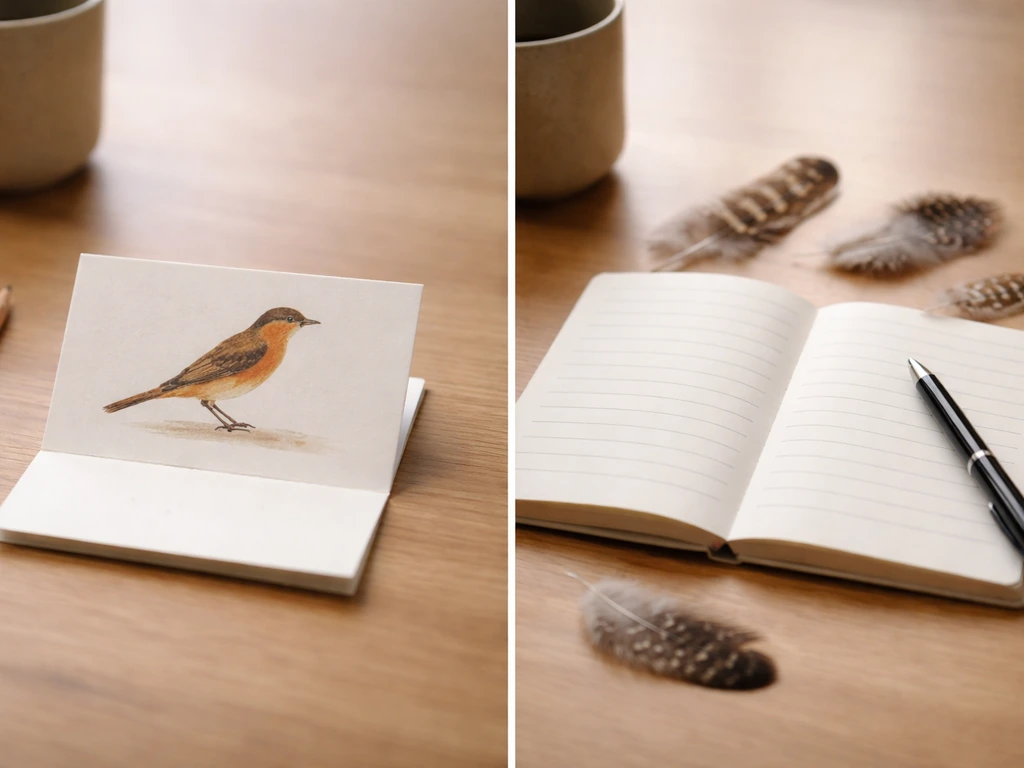
The most common mistake is assuming the halcyon bird is a specific, identifiable species with a precise symbolic meaning you can look up like a recipe. It is not. 'Halcyon' functions as a mythological concept that was mapped onto the kingfisher family, and within that family 'Halcyon' is also a genus name in modern taxonomy (containing species like the sacred kingfisher), which means you can encounter the word in a zoological context that has nothing to do with myth or spirituality. Do not assume that any kingfisher species is automatically 'the' halcyon bird with all the mythological freight attached.
The second common mistake is conflating halcyon symbolism with phoenix symbolism. Both involve transformation and renewal, but they are emotionally and symbolically distinct. The phoenix rises from destruction through fire and is fundamentally about death and radical rebirth. The halcyon is about peace granted within grief, calm given as a divine gift, stillness preserved in the middle of a storm. The halcyon does not burn; it floats. If you are drawn to phoenix-style imagery, that is a different spiritual register, one worth exploring in its own right. Similarly, heraldic birds like the liver bird or the secretary bird on coats of arms carry their own distinct symbolic grammar that should not be folded into halcyon meaning.
The third mistake is assuming that 'halcyon days' in modern conversation carries active spiritual content. When someone says 'the halcyon days of my youth,' they almost certainly mean 'the golden days,' not 'the fourteen days around the winter solstice during which the winds were divinely calmed. The American Bird Conservancy notes that “halcyon days” originally referred to calm winter days at sea around the Alcyone and kingfisher tradition, and it now means any idyllic period of peaceful calm the fourteen days around the winter solstice. ' The idiom has separated from the myth. If you are reading for spiritual meaning, go back to the myth, not the idiom.
| Aspect | Halcyon / Kingfisher | Phoenix | Swallow |
|---|---|---|---|
| Core theme | Peace, calm, divine protection | Death and radical rebirth | Hope, seasonal renewal, return |
| Elemental domain | Water, sea, winter solstice | Fire, destruction, transformation | Air, migration, spring |
| Emotional register | Grief transformed into stillness | Destruction transformed into power | Absence transformed into return |
| Mythic origin | Greek (Alcyone/Ceyx, Ovid) | Egyptian and global variants | Multiple, broadly cross-cultural |
| Nesting symbolism | Floating nest on calm sea (divine truce) | Nest of ashes (self-immolation) | Return to the same nest annually |
| Practical sign message | Calm is coming; peace is possible now | Total renewal; start fresh | Hopeful return after a long absence |
The halcyon bird meaning, at its core, is an invitation to find the still point. Whether you encounter it as a word, a bird, a dream, or a piece of mythology, the question it asks is the same: can you locate the calm within the storm, trust that the winds can be held, and protect what is fragile and new while the sea settles? That is a symbol worth sitting with, not just memorizing.
FAQ
If I see a kingfisher, should I treat it as literally “the halcyon bird,” or is that over-reading the symbol?
Treat it as a symbolic overlap, not a guaranteed omen. Because “halcyon” is a cultural label that mapped myth onto kingfishers, a sighting can be a prompt to look for calm and clarity, but it is not a definitive confirmation of the specific Greek narrative or “halcyon days.”
How can I tell whether “halcyon bird” in a text is myth, metaphor, or something else like taxonomy?
Look for surrounding clues. If the context mentions Alcyone, Ceyx, nesting on the sea, winter calm, or “halcyon days,” it is myth. If it’s in a zoology or field-reference style and names a species or scientific genus, it’s taxonomy. If it’s in a poetic description of peace, it’s metaphorical.
What’s the difference in meaning between “halcyon days” and “halcyon bird” when I’m interpreting symbolism?
“Halcyon days” usually refers to an idyllic past or a remembered golden period, even when the speaker does not mean the myth. “Halcyon bird” more often points to the idea of peace arriving within turbulence (the stillness, the protected nest).
Does the symbol mean everything is going to be fine immediately, or is it more about inner stability?
It leans toward inner and situational calm rather than instant problem-solving. The myth emphasizes a temporary divine truce, a window where storms are restrained, so a grounded interpretation is “progress is possible now because calm is being protected,” not “the difficulty never returns.”
If I’m having a grief-focused moment, how should I use halcyon meaning without bypassing the pain?
Use it as a pacing tool, not a denial. The myth pairs grief with a later period of steadiness, so a practical approach is to acknowledge the loss first, then ask what “still point” you can protect today (sleep, boundaries, one small repair) while the wider process unfolds.
Are there any common misinterpretations with other “bird of renewal” symbols besides the phoenix?
Yes. People sometimes blend halcyon into any “rebirth” bird imagery they see, but halcyon is specifically tied to peace, water calm, and protected nesting. If the story emphasizes fire, destruction, or radical resurrection, that’s usually a different symbol set.
Can halcyon meaning be applied to seasons, weather, or travel decisions in a practical way?
You can, but keep it actionable. The classical association includes safe passage and calm waters, so you might use it to decide timing (for example, choose the safer weather window, postpone a risky crossing, or plan breaks). It’s best treated as a “timing and protection” principle rather than supernatural certainty.
What should I do if a dream with a kingfisher or halcyon feels unsettling instead of serene?
Don’t force a positive reading. If the bird looks trapped, injured, or out of element, treat it as a question about what environment you need to change or what control you should release. The symbol’s core is stillness and protection, so the dream often points to restoring safety for something fragile in your life.
If I find a feather, how do I avoid turning it into a misleading “sign” that overrides my judgment?
Use it as a reminder, not evidence. A feather can be read within folk traditions as protective, but it is not a substitute for real-world decisions. If you use the meaning for grounding, pair it with a practical check-in (what needs protection, what boundaries are missing, what support to ask for).