
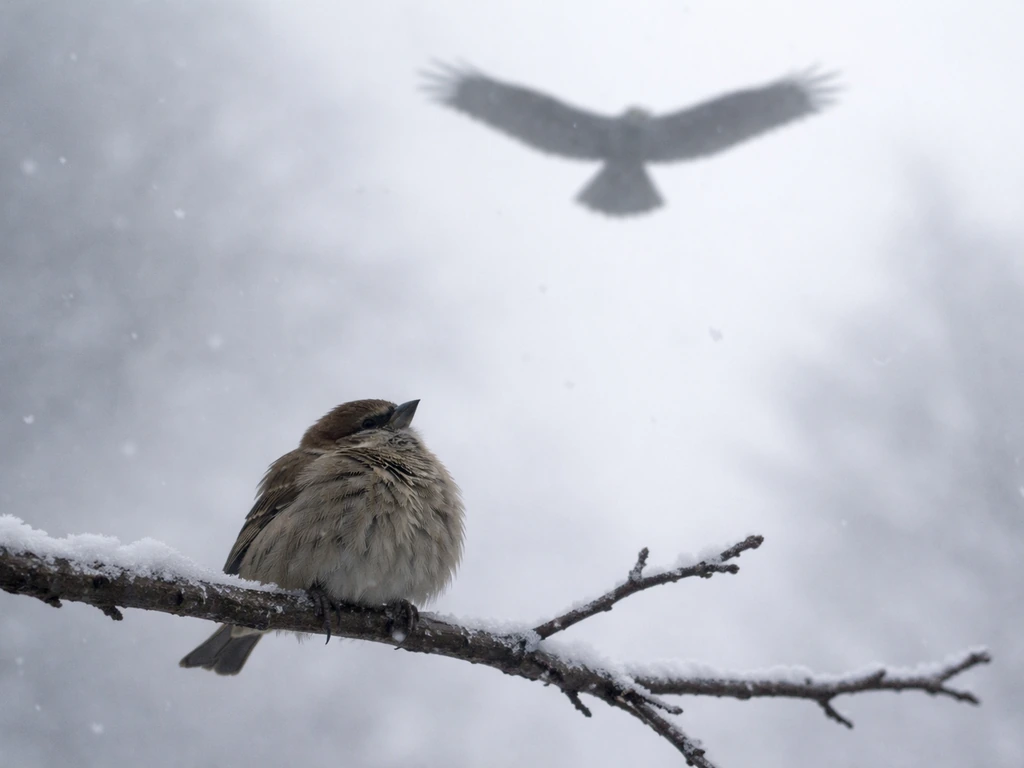
The phrase 'the weak should fear the strong' is not an ancient proverb carved into temple walls. It surfaced in a Facebook comment on December 10, 2013, tied to a Million Dollar Extreme post, and spread rapidly as an internet meme associated with comedian Sam Hyde. But here is the thing: the idea it captures is genuinely ancient, and bird symbolism across nearly every major spiritual tradition has been mapping this exact dynamic for thousands of years. Raptors circling above small songbirds, eagles displacing lesser birds from perches, hawks appearing as omens before battles, the natural hierarchy of birds has always served as a mirror for human spiritual reckoning with power, vulnerability, and survival.
The Weak Should Fear the Strong Bird Meaning in Symbolism

Eleanor Hartwell
5 Jun 2026
Where the warning comes from and what it really means
Because the phrase originated in internet culture rather than scripture or folklore, it carries no single fixed meaning, which actually makes it more interesting to interpret through a symbolic lens. The statement is blunt: those with less power should be alert to those with more. Stripped of any irony or meme context, that is a survival truth that virtually every culture has encoded into its mythology, often through birds. The eagle does not negotiate with the sparrow. The hawk does not announce its descent. Ancient peoples watched this play out in the sky every day and built entire spiritual frameworks around it.
What makes the phrase spiritually significant is not its modern origin but its resonance with a far older archetype: the predator-prey relationship as a teacher. In nearly every tradition that uses bird symbolism, the bird of prey occupies a role that is morally complex, powerful, necessary, and sometimes terrifying.
People sometimes ask about the “bird of prey” connection to Jim Morrison and its meaning, but in this bird-symbolism context it is best understood through the predator-prey archetype bird of prey jim morrison meaning. The small bird is not simply a victim; it is often the symbol of the soul, of innocence, or of divine communication.
When a hawk appears in a vision or lands near a home, many traditions read that not as a threat but as a message: pay attention to who holds power around you right now. This kind of bird-of-Jove symbolism is often discussed in terms of how power and vulnerability are meant to be read in the moment bird of jove meaning.
Fear as discernment, not panic
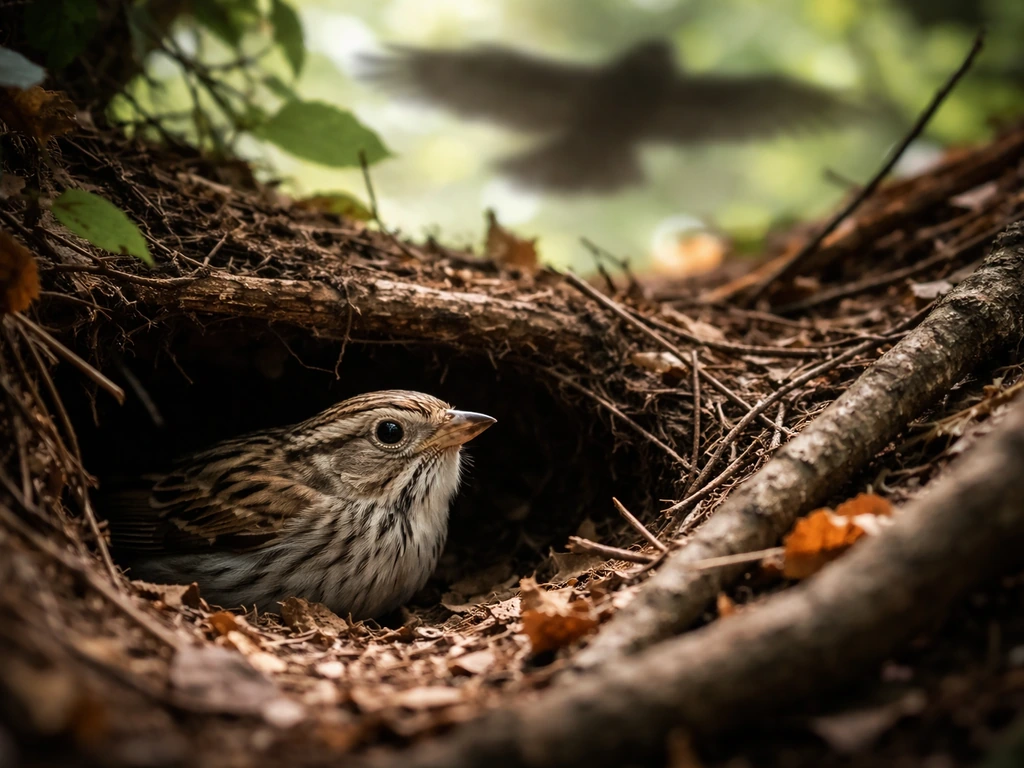
Spiritually, fear functions very differently from the everyday anxiety most people associate with the word. Across biblical, Native American, and Celtic frameworks, a healthy fear in the presence of something greater than yourself is considered a form of discernment, the recognition that you are encountering a force that commands respect and careful navigation. The Book of Proverbs distinguishes between the 'fear of the Lord' as wisdom and the kind of panic that destroys clear thinking. That same distinction applies when you are feeling outmatched in any domain of life.
When a small bird freezes at the shadow of a hawk overhead, it is not paralyzed by irrational terror. It is reading the environment accurately and responding with the most intelligent available behavior: stillness, concealment, and watchfulness. That is the model spiritual traditions point toward when they use predator-prey bird imagery. The sparrow that panics and flutters randomly is far more likely to be taken than the one that holds still, assesses, and moves with intention. The lesson is about clarity of perception under pressure, not about cowering.
What birds symbolize weakness and vulnerability
Several specific birds carry deep associations with vulnerability, gentleness, and the need for protection across multiple cultural traditions. Understanding these helps you identify which symbolic register you are working in when you encounter certain species or imagery.
- Sparrow: In Christian and biblical symbolism, the sparrow represents the lowest and most overlooked creature — yet Matthew 10:29 makes clear that not one sparrow falls without divine awareness. The sparrow is the archetype of the small and seemingly powerless being held in the memory of something infinite.
- Dove: Universally linked to peace, innocence, and spiritual purity across Christian, Jewish, and Egyptian traditions. The dove in the story of Noah signals vulnerability survived — the small bird sent out into an overwhelming world, returning with proof that safety exists.
- Robin: In Celtic and British folk tradition, the robin is associated with the soul and with fragility. Its red breast carries legends of sacrifice — a bird that flew too close to the thorns of the cross and was marked forever.
- Wren: In many European traditions, the wren is considered the smallest and humblest of birds, yet also quietly powerful — known as the 'king of birds' in some Celtic tales through cleverness rather than force.
- Finch and small songbirds generally: Across Native American traditions, small songbirds often represent the voice of the spirit world — easily silenced, easily overlooked, but carrying messages the larger birds cannot.
What birds symbolize strength and dominance
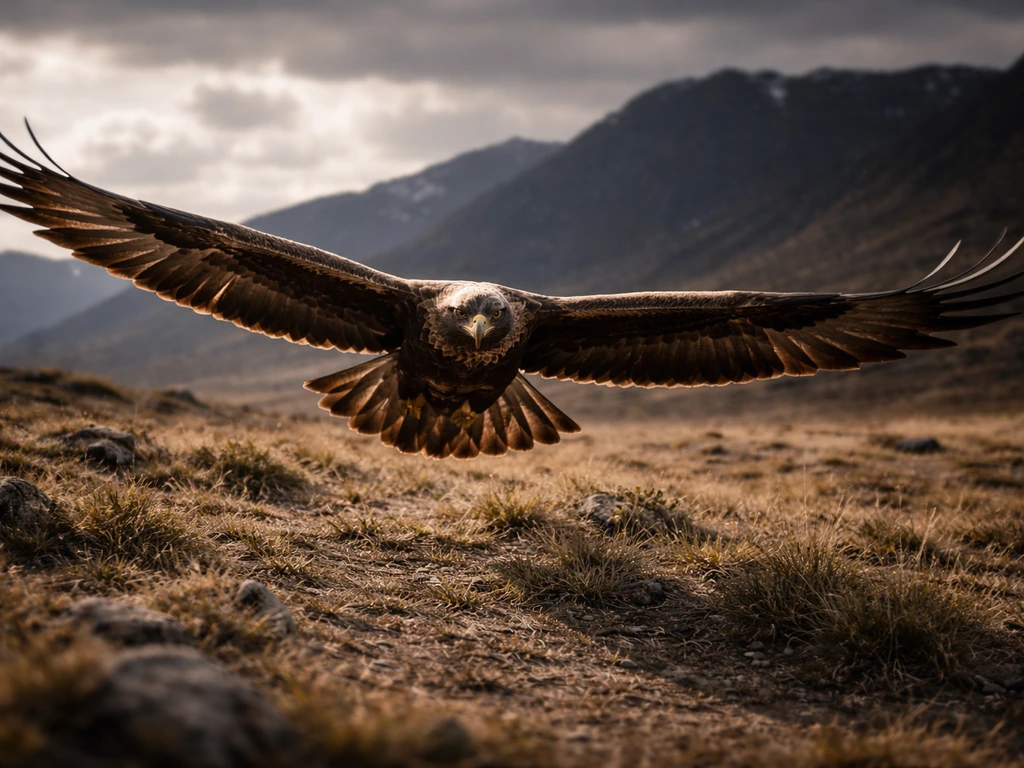
Birds of prey are the clearest and most universal symbol of power in spiritual traditions worldwide. In some esoteric interpretations, Mother Mary is also described with bird-of-prey symbolism to convey divine authority and vigilant protection mother Mary is a bird of prey. Their actual behavior, aerial dominance, precision hunting, fearlessness toward larger animals, made them natural vessels for cultural ideas about strength, authority, and even divine justice. The bird of prey in the Bible is invoked in Isaiah 46:11 as a figure called from the east to carry out divine purpose: swift, inevitable, and unstoppable. These associations run across every major tradition.
| Bird | Tradition | What Strength Symbolizes |
|---|---|---|
| Eagle | Biblical / Native American / Aztec | Divine authority, vision, sovereignty, the sun's power, renewal through ascent |
| Hawk / Falcon | Egyptian / Native American / Celtic | Precision, solar power, war-readiness, the eye of Horus, spiritual messenger of the sky |
| Owl | Greek / Celtic / Aztec | Dominance through wisdom and night-sight; power that operates beyond ordinary perception |
| Condor | Andean / Aztec | Cosmic authority, death and transformation, the bridge between earthly and celestial realms |
| Raven | Norse / Native American / Celtic | Strategic intelligence, shapeshifting power, command over secrets and the unseen |
| Thunderbird | Native American (multiple nations) | Elemental force, storm-power, protection of the people through overwhelming natural strength |
It is worth noting that strength in bird symbolism is rarely simple domination. The eagle in Native American traditions is powerful, yes, but it is also a protector and a messenger, its strength is in service to something larger. The hawk in Egyptian mythology (Horus) carries justice alongside power. Even the raven, which appears as a trickster in many Norse and Pacific Northwest traditions, uses cleverness rather than brute force. Strength in bird symbolism almost always comes paired with a responsibility or a direction.
How to read bird encounters and omens through this lens
If you came to this topic because of a specific bird sighting and you are trying to interpret it against a situation where you feel outmatched or threatened, here is how to approach that. The encounter matters, what species appeared, where, at what moment, and doing what. Those details are the raw material of interpretation.
- A hawk or falcon appearing close or making direct eye contact: In many Native American and Celtic traditions, this is read as a call to sharpen your awareness immediately. Something in your environment requires more attention than you are currently giving it. The hawk does not appear when you are already safe — it appears when precision is needed.
- A small bird behaving fearlessly near a predator: This is a striking omen in several traditions, often interpreted as a sign that what appears threatening may not have power over you specifically, or that you carry a kind of protection you are not yet aware of.
- Hearing a hawk or raptor call without seeing it: In Celtic and some Native American traditions, a cry you cannot locate the source of is treated as a warning to trust instinct over visible evidence. Something is happening that you cannot yet see clearly.
- A bird of prey landing on or near your home: In Egyptian symbolism, this was historically read as the eye of divine authority resting on a household — powerful, but not necessarily hostile. Context matters enormously here.
- Seeing a small bird being chased but escaping: Several traditions interpret the escape of the smaller bird as a protective omen — the vulnerable thing survives through quickness and cleverness rather than matching strength directly.
- Two birds (one large, one small) sitting near each other peacefully: This rare sight is often interpreted in folk traditions as a sign of unusual protection extended to the vulnerable — a temporary suspension of the natural hierarchy.
The calls of birds deserve particular attention in this context. A bird that calls sharply and repeatedly near you when you are already feeling threatened is one of the more consistent cross-cultural signs interpreted as a warning or a prompt toward action. The idea that a bird of the air carries a voice, that its sound is a communication rather than noise, is embedded in several biblical passages and in Native American oral traditions. Pay attention to what was happening in your life at the exact moment of the encounter.
What to actually do when you feel outmatched

Here is where the symbolism becomes directly useful rather than just interesting. The bird traditions that grapple with predator-prey dynamics almost never advise the smaller bird to fight the hawk head-on. The wisdom embedded in these stories points toward a consistent set of responses that translate directly into practical guidance.
- Increase your situational awareness before anything else. The sparrow's first response to a hawk is to stop, look, and accurately assess. Not to run, not to call for help, not to freeze in terror — to see clearly. If you feel outmatched right now, your first task is to accurately map the actual landscape of who holds power, in what area, and to what degree.
- Identify the specific vulnerability. Bird symbolism consistently shows that small birds are most at risk in open, exposed terrain. They survive by knowing where cover is. Ask yourself: where are you most exposed? In a negotiation, in a relationship, in a legal or financial situation — where specifically is the point of greatest vulnerability?
- Do not mistake visibility for safety. Several bird traditions warn against the impulse to make yourself seen as a show of confidence when the power dynamic is genuinely unfavorable. The wren that outwitted the eagle in Celtic legend did so by staying hidden inside the eagle's feathers, not by flying higher.
- Seek allies who carry symbolic protection. In many traditions, certain birds are understood as protectors of the vulnerable — the martin that guards homes, the swallow that signals safe return, the guardian animals of specific tribal nations. The practical translation: build relationships with people or institutions that can extend protective authority you do not currently possess.
- Keep your voice available. Small songbirds in multiple traditions are understood as communicators — their power is in calling out, signaling, alerting others. If you are in a situation of genuine imbalance, using your voice to document, witness, and communicate is not a small power. It is often the only power the smaller bird has, and it frequently works.
- Trust the symbolic value of patience. Migration teaches every bird that season and timing determine survival as much as strength does. Many traditions around migratory birds encode the wisdom that endurance through an unfavorable season is not weakness — it is intelligence. If the power dynamic you are navigating is temporary, outlasting it is a legitimate strategy.
How this plays out across biblical, Egyptian, Native, Celtic, and Aztec traditions
The tension between the powerful bird and the vulnerable one is not unique to any single tradition. What is remarkable is how consistent the underlying moral teaching tends to be across cultures that developed these ideas independently of one another.
Biblical symbolism
The Bible uses bird hierarchy extensively. Eagles represent divine strength and sovereign power throughout the Old Testament, Isaiah 40:31 promises that those who trust in God will 'mount up with wings as eagles,' a direct invitation for the vulnerable to access a greater strength than their own. In Isaiah 46:11, the “bird of prey” imagery points to a particular figure of power being announced and judged who is the bird of prey in isaiah 46:11.
Meanwhile, the sparrow appears in the New Testament as the creature God does not forget, regardless of its lowly position. The bird of prey referenced in Isaiah 46:11 is associated with Cyrus of Persia, a figure called by divine purpose to carry out judgment from a position of overwhelming power. The implicit warning to those in the path of that power is exactly the kind of discernment-based fear discussed earlier.
Egyptian tradition
In Egyptian cosmology, the falcon-headed god Horus represents the sky itself, and his eyes were the sun and the moon, literally watching everything below. Power in this system is not just physical but all-seeing. The pharaoh was understood as the earthly embodiment of Horus, making the falcon a political symbol of absolute authority. For ordinary people, encountering a falcon was understood as being seen by divine power, which could mean protection as easily as judgment depending on one's conduct.
Native American traditions
Across many Native American nations, the eagle occupies a position of supreme spiritual authority, the bird that flies closest to the Creator and carries prayers upward. Eagle feathers in this context are not decorative; they are held as objects of enormous sacred power, used in ceremony precisely because they carry the authority of the eagle into the hands of the human holding them. The Thunderbird, present in traditions from the Pacific Northwest to the Great Plains, represents a power so overwhelming that its wing-beats create storms. These traditions do not present overwhelming power as something to be conquered, they present it as something to be respected, approached with ceremony, and when possible, invoked for protection rather than faced as an adversary.
Celtic tradition
Celtic bird mythology is particularly rich with the tension between cleverness and raw strength. The wren-versus-eagle story, in which the wren becomes king of the birds by hiding in the eagle's feathers and flying higher at the decisive moment, is one of the most direct encodings of the 'weak should fear the strong' dynamic in European folklore.
Know Your Meme documents “the weak should fear the strong” as an exploitable meme format tied to a 2013, 2015 social-media spread associated with Sam Hyde, rather than a standard proverb from ancient religious or folkloric collections the 'weak should fear the strong' dynamic. The moral is not that strength does not matter; it is that intelligence, timing, and the willingness to operate within another's power structure can produce outcomes that force alone never would.
The raven in Celtic tradition (associated with the Morrigan, goddess of war and fate) carries prophetic authority, its appearance near a battlefield was understood as a message about who the unseen forces favored.
Aztec tradition
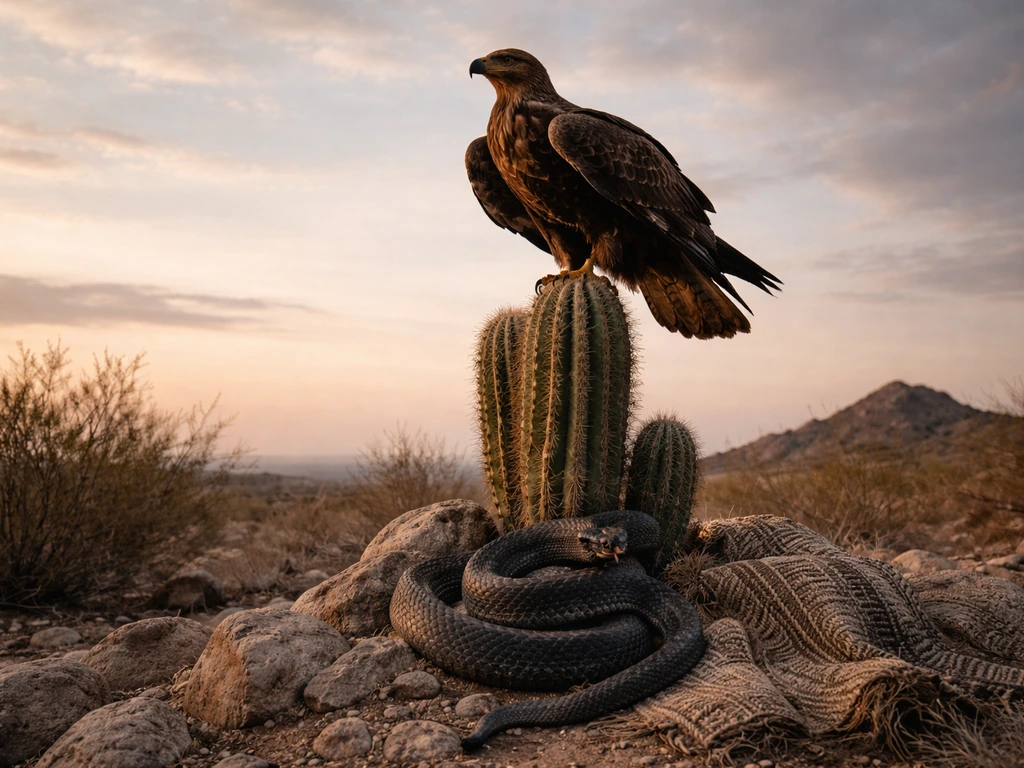
Aztec cosmology built the eagle into the very foundation of national identity, the founding sign of Tenochtitlan was an eagle perched on a cactus devouring a serpent, a vision the Mexica people were told to seek as a sign from the god Huitzilopochtli. Eagles represented the sun, warfare, and the warrior class. Eagle warriors were among the most elite fighters in the Aztec military order.
The condor and other large birds were associated with the realm of the dead and with cosmic transformation, powers that operated on a scale beyond ordinary human life. In this tradition, the weak-strong dynamic was not just social but cosmological: the sun itself had to be fed through sacrifice in order to continue rising. Strength was sacred, and its dominance was understood as necessary to the continuation of the world.
Across all of these traditions, a common thread emerges: strength in bird form is never simply brutish. It carries a spiritual dimension, a sense of being in service to something larger, divine justice, cosmic order, the protection of a people, the continuation of the world. And the response to that strength, for those who find themselves in the position of the smaller bird, is consistently framed as awareness, respect, intelligent navigation, and the seeking of higher protection rather than direct confrontation with a force that cannot be matched on its own terms.
FAQ
Is “the weak should fear the strong” always a moral lesson about survival, or can it be read as something darker?
It can be read both ways because the phrase has no single canonical meaning. In the symbolic, predator-prey framing, “fear” is usually discernment (how to respond wisely to a real power imbalance). In a darker reading, it can be used to justify domination or intimidation, so it helps to ask whether the “strong” is being treated as a teacher and boundary, or as a justification for controlling others.
What does “fear” mean here if it is not everyday anxiety or panic?
In bird-symbolism interpretations, fear functions more like situational respect: knowing the power you cannot out-muscle and adjusting your behavior accordingly. A practical check is whether your body moves toward clarity and preparation (planning, restraint, leaving) versus toward rumination, shaking, or impulsive confrontation.
Does this symbolism imply the weak person should always submit or avoid conflict completely?
Not necessarily. The article emphasizes intelligent navigation rather than head-on fighting, which often translates to boundary-setting, seeking help, or changing the environment. “Avoid confrontation” usually means avoid direct, unwinnable battles on the other side’s terms, not avoid every form of self-advocacy.
How should I interpret a bird of prey appearing near my home or workplace?
Treat it as a prompt to check who holds influence in your immediate context, for example a manager, a rival, a system, or a threat. Look for details like time of day and what you were already doing, then ask what action would increase your safety or reduce risk in that specific situation (documenting, reducing exposure, requesting mediation).
What if the bird encounter feels scary but there is no obvious real-world danger?
Symbolic messages can point to hidden dynamics, not just literal threats. Consider whether you are ignoring a power imbalance (someone with more leverage than you, a rule you are unprepared for, or a decision you have postponed). If you feel genuinely unsafe in an objective way, symbolism should not replace practical safety steps.
Are there common mistakes people make when interpreting bird symbolism this way?
Two big mistakes are over-literalizing (turning one sighting into a guaranteed prophecy) and ignoring context (species, behavior, and your life moment). Another is assuming the message means you are powerless rather than that you need a smarter strategy, such as seeking protection, allies, or information.
Does the phrase apply to internal challenges too, like fear of failure or self-doubt?
Yes, many people map “strong” onto inner forces like ego, compulsions, or overwhelming responsibilities. In that case, “fear” becomes caution and discernment, for example noticing when perfectionism is driving you to freeze, then switching to manageable next steps rather than trying to “out-muscle” the emotion.
How can I distinguish a “warning call” from an ordinary bird behavior?
A commonly used interpretive marker is repeated, sharp calling when you are already feeling unsettled. Still, practical reality matters, so ask whether there is a normal explanation like breeding season or territory defense. If your intuition says it is a prompt, act on the safest interpretation, such as slowing down and preparing, rather than assuming doom.
If strength is “never just domination” in these traditions, what should “respect” look like in real life?
Respect usually means recognizing limits and choosing behavior that protects your interests without escalating. Concrete examples include staying off someone’s triggers, using proper channels, asking for clear terms, and avoiding impulsive speech or risky moves that put you directly under the other party’s control.
What should I do if I feel trapped in a real power imbalance at work, school, or in a relationship?
Use the symbolism as a decision aid: gather facts, identify who has leverage, reduce exposure, and seek higher protection through allies or formal resources (HR, a mediator, trusted adults, legal advice where appropriate). The predator-prey lesson points away from trying to win by force and toward improving your position and safety plan.
Next Articles
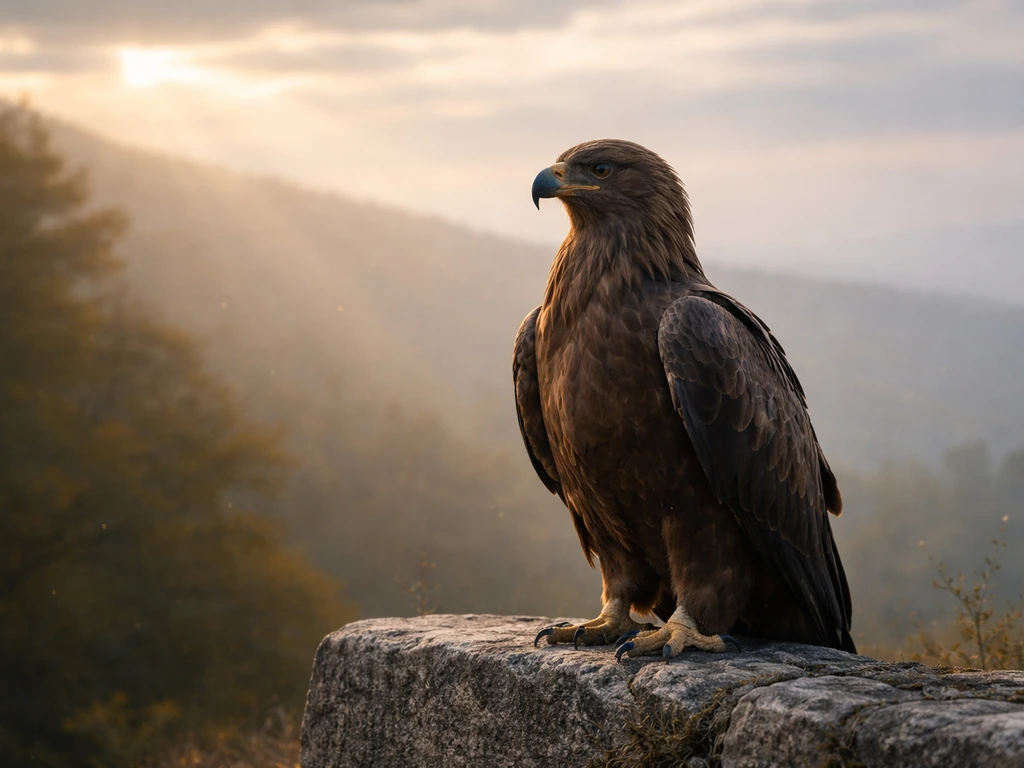
Bird of Prey Meaning in the Bible: Symbol and Context
Bible symbolism of bird of prey: raptors or vultures, clean vs unclean birds, verse-based meaning and guidance.
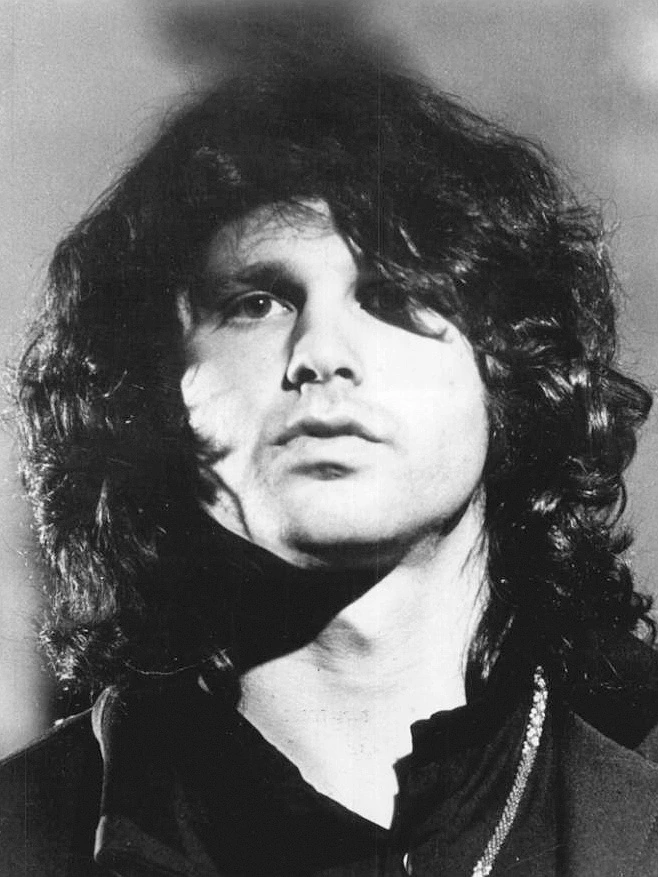
Bird of Prey Jim Morrison Meaning: Symbolism, Dreams, and Intent
Explore bird of prey symbolism and how it may connect to Jim Morrison meanings in dreams, lyrics, and signs.
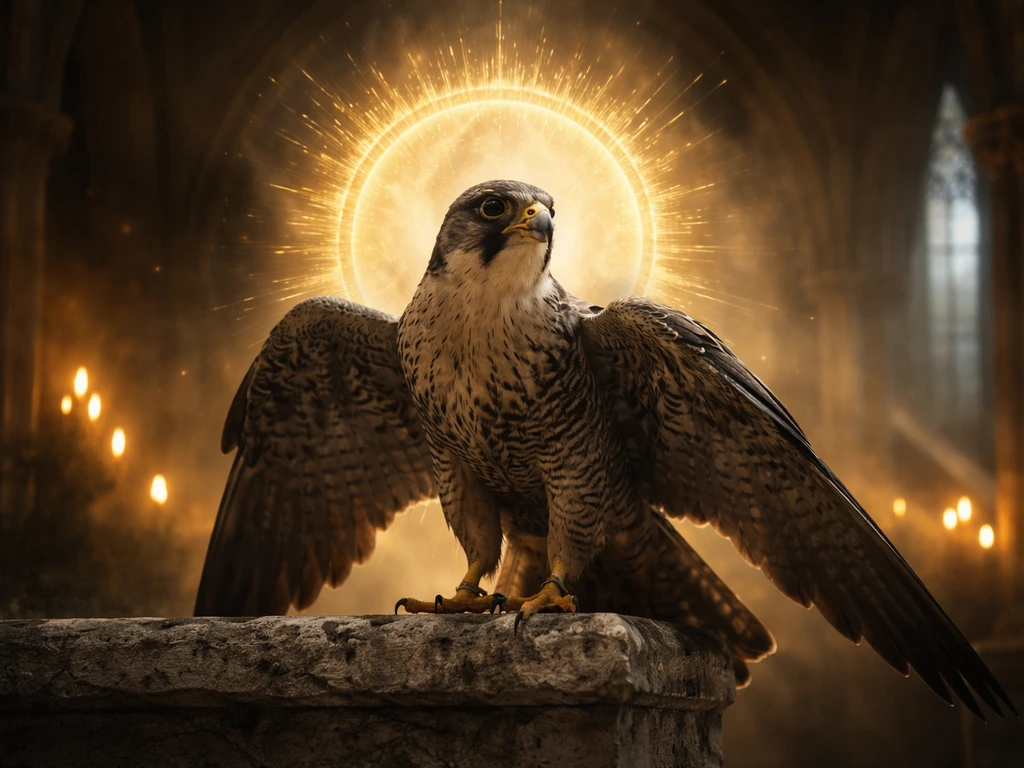
Mother Mary Is a Bird of Prey Meaning and Symbolism
Learn the symbolism behind Mother Mary as a bird of prey, linking Marian imagery and predatory bird meanings for reflect